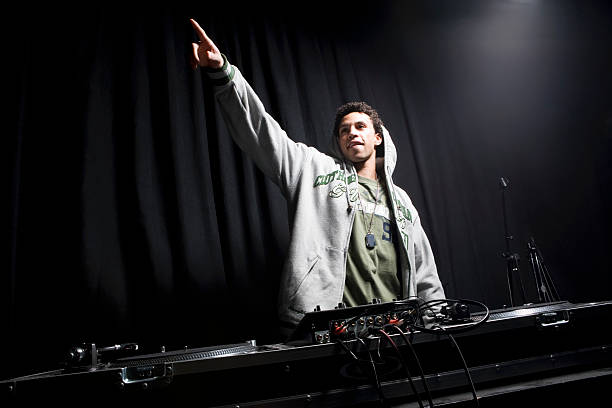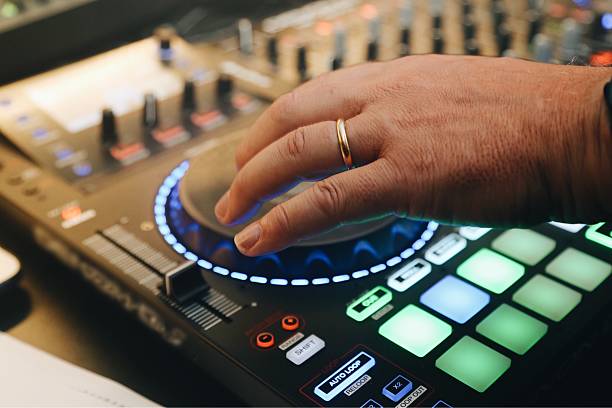
If you were anywhere near a festival afterparty between 2021 and early 2022, you know the vibe was different. Bottles of Veuve Clicquot were being thrown around like confetti, NFT-backed VIP tables cost more than a used Honda Civic, and every second DJ had a “web3 native” sticker on their laptop. The crypto crash—specifically the spectacular collapse of FTX, a wave of token scams, and the general winter that froze the digital asset market—didn’t just wipe out a bunch of pixelated apes and speculative portfolios. It sent a very specific tremor through the DJ community. The afterparty hangover is real, and it’s forcing us to ask a question that goes deeper than balance sheets: what is the actual future of DJing in a post-crypto-hype world?
First, let’s be honest about what the crypto boom actually did for DJs. It wasn’t all bad. For a lot of underground selectors who had spent years playing to 50 people in a basement, the sudden influx of web3 money meant bookings at private events where a token-holder could pay a five-figure sum to hear a set. It meant new platforms like Audius and Sound.xyz where artists could release tracks as NFTs and actually keep the royalties. It also introduced a lot of younger listeners to the idea that DJing isn’t just pressing play—it’s curation, community, and ownership. For a brief, sparkling moment, it felt like the old dream of the artist-entrepreneur was finally happening, and the blockchain was the tool to get us there.
But then the crash hit. And it hit hard. The same promoters who were throwing massive afterparties tied to crypto conferences in Miami, Lisbon, and Bangkok suddenly disappeared. Bookings dried up. The so-called “Web3 DJ” who had built an entire brand on NFT capes and token-gated mixes found themselves without a gig, because the audience that paid for that hype had lost its money. The clubs that hosted those events? They quickly pivoted back to cash-based bar sales and sober-curious programming. The hangover wasn’t just about lost income—it was about lost trust. A whole generation of up-and-coming DJs realized that building a career on a volatile asset class is like building a turntable rig out of air. One bad market swing and the whole thing collapses.
So where does this leave the future of DJing? Surprisingly, in a much healthier place. The crash forced a recalibration. DJs, especially those in the Gen Z and millennial sweet spot, are now asking themselves what actually matters. Is it the number of ETH in your wallet? Or is it the 4/4 kick drum that makes a room full of strangers lock eyes at 2 AM? The answer, as it turns out, is the latter. The technology that matters most to a DJ is still the same: a solid pair of headphones, a reliable mixer, a library of tracks you actually love, and a crowd that wants to dance. Crypto didn’t change that. It just gave some people a shiny distraction.
What might stick from the web3 era is the philosophy of decentralization, not the speculation. Artists are still exploring smart contracts for royalty splits on collaborative tracks. Platforms like Catalog and Blockparty have learned that utility, not hype, keeps a community alive. DJs are starting to experiment with token-gated listening rooms where a fan can buy a lifetime pass to a specific artist’s sets—not as a speculative asset, but as a genuine membership. That’s the future worth watching. Not a quick flip, but a slow, intentional build. Think of it like Larry Levan building the Paradise Garage sound system piece by piece, or Frankie Knuckles shaping house music out of disco records and a heart full of Chicago. They didn’t need a blockchain. They needed a vision. The crypto crash might have killed the afterparty, but it also killed the bullshit.
For the traveling DJ, this means a return to roots. Instead of worrying about whether your NFT collection will fund your tour, you’re back to worrying about the better things: how to stay healthy on the road, how to pack a flight case without breaking your back, how to find the best pre-gig meal in a city you’ve never visited. The bucket-list clubs—from Berghain in Berlin to Fabric in London to Club Qu in Los Angeles—are still standing, and they still book on vibe, not wallet address. The festivals that matter, like Movement in Detroit or Dekmantel in Amsterdam, are programming for the heads, not the token-holders. The best DJs are the ones who can read a room, not a chart.
In short, the crypto crash didn’t kill the future of DJing. It killed the party version of the future. And honestly? Good riddance. The real future is about connection, craft, and a sustainable ecosystem where artists are paid fairly, fans feel valued, and nobody needs to buy a JPEG of a monkey to get in the door. So take off the web3 badge, grab your USB stick, and remember why you started mixing in the first place. The future of DJing is still all about the music. It always was.