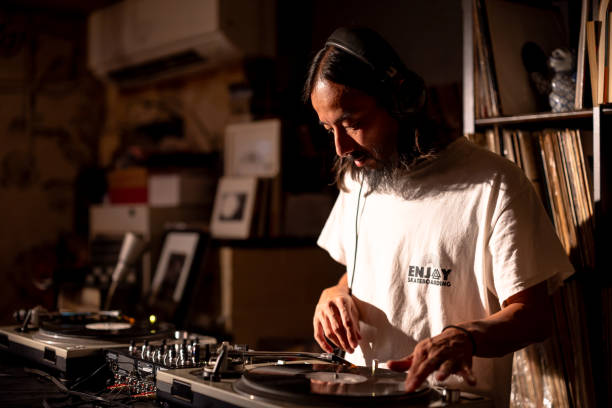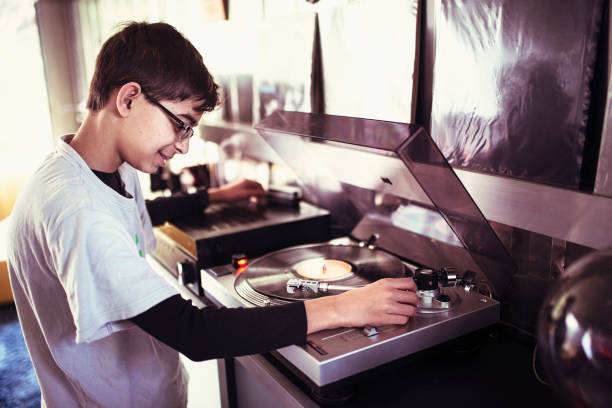
If you’re a DJ in 2025, you already know the drill. You’re supposed to post constantly. You’re supposed to be everywhere—Instagram, TikTok, SoundCloud, X, maybe even a dusty YouTube channel. But between the pressure to look professional and the instinct to just be yourself, there’s a massive gray area. Should you carefully curate every post like a high-end gallery wall, or should you treat your feed like a messy bedroom floor where you dump whatever’s on your mind? This isn’t just a social media dilemma—it’s the core of how you build your DJ brand. Let’s break down the curated versus personal feed debate and figure out where your turntable-loving self actually fits.
First, let’s talk about the curated feed. This is the version of your brand that screams “I have it together.” Every photo is color-graded. Every caption is written like a press release. Your transitions are slick, your gear is spotless, and you never post anything that doesn’t fit a strict aesthetic. Think of it as the DJ equivalent of a perfectly mixed studio set—clean, intentional, and impressive to industry insiders. Curated feeds work wonders when you’re trying to land gigs at high-end clubs or get booked through a management agency. Label reps and promoters love a clean visual story because it suggests you’re reliable. But here’s the dark side: a fully curated feed can feel cold. It can make you look like a robot who only cares about optics. And in a world where audiences crave authenticity, being too polished can backfire. You become forgettable because you look like every other DJ who bought the same preset pack from a guru.
On the flip side, the personal feed is where you let your guard down. You post your ugly practice sessions, your messy bedroom setup, your fumbled transitions, your unfiltered thoughts about the DJ life. You talk about your mental health struggles on the road, the time you played a banger and the crowd looked dead, or your favorite diner after a late-night set in Detroit. This approach builds a different kind of brand—one based on connection rather than perfection. When you share your real self, you attract a tribe, not just a following. People stick around because they feel like they know you. They’ll cheer for your wins because they saw your losses. They’ll show up to your sets because they feel invested in your journey. But here’s the danger: oversharing can backfire too. Too much personal content can dilute your brand. If half your feed is about your cat, your coffee, and your existential dread, promoters might not take you seriously. You also risk exposing too much of your process, giving competitors or critics free ammunition.
So where’s the sweet spot? It’s not choosing one or the other; it’s knowing when to be curated and when to be personal. Think of your feed like a DJ set. You wouldn’t play only four-on-the-floor bangers for three hours straight—you’d mix in some openers, some drops, and maybe a weird vocal sample to keep things interesting. Same goes for your brand. Start by deciding what percentage of your content is “professional portfolio” versus “backstage pass.” For most DJs, a 70/30 split works: 70% curated, quality-assured content that shows your skills, your gear, and your gigs, and 30% raw, personal, behind-the-scenes stuff that shows your personality. That 30% is where your followers fall in love with the human behind the decks.
The key is to make that personal content still serve your brand. Don’t just post your breakfast—post your breakfast and talk about how you pre-game before a set. Don’t just complain about travel fatigue—explain how you handle jet lag before a festival. Every personal post should circle back to the DJ life. This is your social media content factory after all. Every piece you produce should feed the machine that builds your reputation. Even when you’re being vulnerable, you’re still marketing yourself. That’s not selling out; that’s being smart.
Consider the icons who built this craft. Larry Levan didn’t build his legacy by posting perfect grid photos; he built it by curating nights at the Paradise Garage that were deeply personal to him. Frankie Knuckles didn’t separate his identity from his music—his feed would have been a mix of soulful house tracks and the people he loved. Wendy Hunt, one of the unsung trailblazers of NYC club culture, would likely tell you that the most magnetic DJs are the ones who let you see where their sound comes from. That means showing your influences, your mistakes, your messy process, and your moments of joy. The most successful DJs today—like Honey Dijon or Four Tet—are masters of this balance. They show the craft and the person, not just one or the other.
So go ahead and build that curated grid. Put your best mixes up first. Use proper lighting and clean captions. But don’t be afraid to drop a video of yourself laughing at a failed transition or sharing a raw thought about why you love a certain track. Your brand will feel alive. Promoters will see your professionalism, and your real fans will see your soul. That’s how you become a DJ people remember—not just a feed they scroll past.