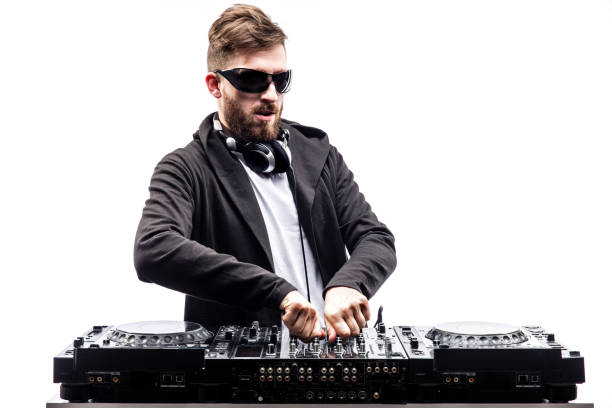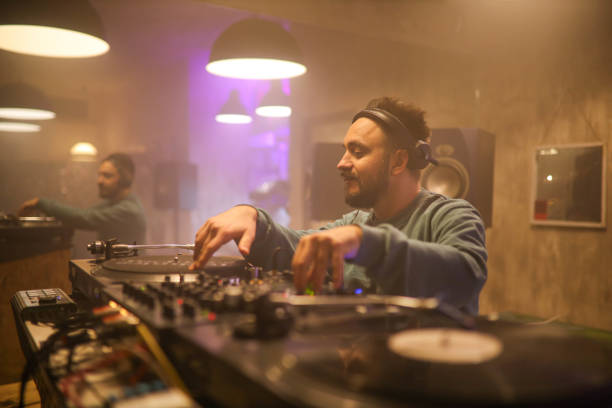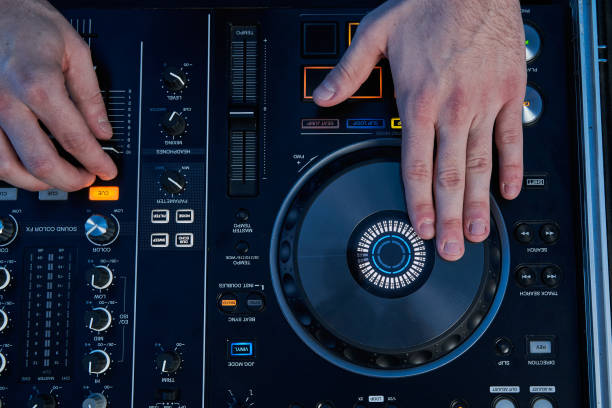
Let’s be real for a second. You’ve got two turntables, a microphone, and a room full of people who are one TikTok notification away from checking out. As a DJ in 2024, you’re not just competing with the guy on the other deck—you’re battling the entire internet. Every phone screen in the crowd is a potential exit door. So how do you lock them in? You master the mix. Specifically, you master the art of layering acapellas live, pulling a legal grab for attention that makes people put their phones down and look up.
We start with the phrase itself: a legal grab for attention. It sounds like a courtroom drama, but really it’s the oldest trick in the DJ handbook—using vocal hooks, iconic lines, or unexpected snippets to hijack the listener’s focus. Think of it as a sonic pivot. You’re mid-set, the energy is building, and then you drop an acapella verse from a track nobody saw coming. Suddenly, everyone in the club is leaning in. That’s the grab. And it’s legal because you’re not stealing the song; you’re sampling the moment.
Layering acapellas live is the secret weapon of the modern DJ. It’s not just about throwing a vocal on top of a beat. It’s about timing, EQ, and knowing your crowd like you know the back of your Serato controller. Say you’re blending a deep house groove with a 2000s R&B classic. You bring in Mary J. Blige’s voice, high-passed so it cuts through the low end like a knife, and you loop it just long enough to make people question their reality. Did you just mix “Family Affair” with a minimal techno track? Yes, you did. And now you’ve got their attention.
But here’s the thing about attention in 2024: it’s a limited resource. Your audience has the attention span of a goldfish on espresso. So when you layer acapellas live, you have to commit. No half-stepping. You need to know your phrasing inside and out. You need to understand that a vocal line landing on the one of a new bar is pure dopamine. It’s the same psychological trick that Frankie Knuckles used back at the Warehouse in Chicago, only now you’re doing it while syncing via Bluetooth and avoiding a Wi-Fi dropout. The technology changes, but the grab stays the same.
Let’s talk about the legends. Larry Levan at the Paradise Garage understood that a well-placed vocal could turn a dance floor into a congregation. He’d layer a gospel acapella over a percussive jam and suddenly the room was a church. Frankie Knuckles took that energy and made it more intimate, using soulful vocals to pull people into the groove. Wendy Hunt, one of the pioneering female DJs who often gets left out of the history books, knew that a cunning vocal grab could shift the entire room’s mood in seconds. These trailblazers understood that the voice is the most powerful instrument in electronic music because it carries emotion. When you layer an acapella live, you’re borrowing that emotion and repurposing it for the current moment.
For the traveling DJ, mastering this skill is a survival tactic. You’re in a bucket-list club in Tokyo or a warehouse in Berlin, and the crowd doesn’t speak your language—but they understand a hook. A well-timed acapella from a global hit can bridge cultural gaps faster than any translator. At Fabric in London, you might drop a grime vocal over a tech house beat. At Berghain, a whispered acapella over a rolling kick drum creates tension that feels like a held breath. In Asia, at a club like Womb in Tokyo, a K-pop acapella layered over a four-on-the-floor groove can flip a room from polite nodding to full chaos.
Of course, there’s a delicate skill to it. You can’t just slap any vocal on any beat. That’s not mastering the mix, that’s noise pollution. You have to consider key, tempo, and energy. You have to know when to let the acapella breathe and when to cut it like a sample. This is where your equipment matters. A good mixer with a solid EQ section lets you carve out space for the vocal without muddying the mix. A pair of high-quality headphones—think something from Pioneer or Technics—lets you cue the acapella in isolation so you know exactly where the phrasing lands. And if you’re playing a festival like Glastonbury or Movement, you need a setup that can handle the elements because rain and dust don’t care about your perfect transition.
Let’s not ignore the flip side: mental and physical health. As a DJ who constantly has to grab attention, you’re also grabbing fatigue. Travel, late nights, and the pressure to always bring fresh mixes can wear you down. The best DJs know that mastering the mix also means mastering your own state. That means hydration, earplugs, and knowing when to step away from the decks. Your ears are your instrument—protect them. Your focus is your currency. If you’re burned out, your acapella layer is going to land flat.
So whether you’re layering a Nas verse over a disco edit or a Chaka Khan ad-lib over a minimal techno workout, remember the grab. It’s legal, it’s powerful, and it’s the reason people still dance. The phones will go down. The voices will rise. And you, behind the decks, will have pulled off the ultimate mix.