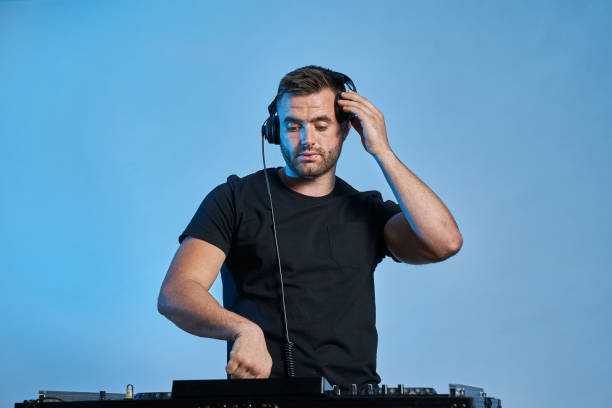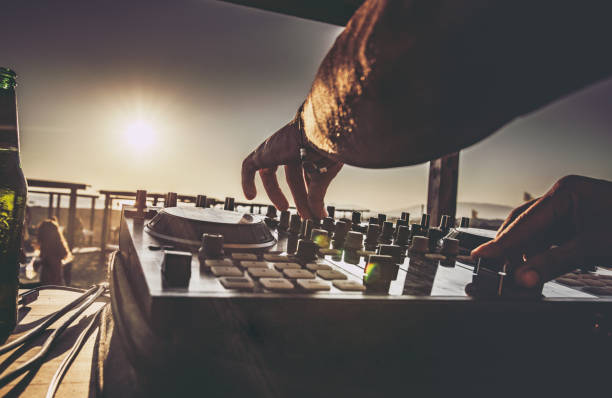
If you’ve ever watched a DJ set and seen someone hunched over a small blue plastic box with a few knobs and a sequencer, you’ve witnessed the cult of the Magic Blue Box. In DJ lingo, that’s not just a piece of gear—it’s a status symbol, a history lesson, and a secret weapon all in one. The Magic Blue Box RMX is the modern reincarnation of the Roland TB-303, the bass synthesizer that accidentally birthed house music in the late 80s and never really died. But in the DJ world, we don’t call it a TB-303. We call it “The Blue Box” or simply “The Magic,” and knowing what that means is essential if you want to speak the language of the booth.
First, a quick history check. The original Roland TB-303 was released in 1981 as a bass accompaniment for guitarists. It flopped hard. But then a few Chicago producers—names like Larry Levan’s protégés and Frankie Knuckles’ studio buddies—realized that the squelchy, off-kilter sound of the 303’s acid bassline was perfect for a new kind of dance music. Wendy Hunt, a lesser-known but crucial figure, used it to craft tracks that blurred the line between soul and machine. By the early 90s, the TB-303 was the holy grail of gear nicknames: “The Acid Box,” “The Silver Box,” and yes, “The Magic Blue Box.” DJs who owned one were basically royalty.
Fast forward to today. The Magic Blue Box RMX is Roland’s modern tribute, re-released with updated features but the same iconic sound engine. In DJ lingo, “running a 303” or “tweaking the Magic” means you’re about to unleash raw, unfiltered acid—the kind that makes a crowd lose it at 4 AM. This isn’t just an instrument; it’s a phrase that signals a moment. If a DJ says “I’m gonna drop the Blue Box on this transition,” they mean they’re about to inject a squelching, sliding bassline that cuts through the mix like a knife. It’s a power move.
But here’s where the language gets nuanced. The Blue Box RMX is also a gear nickname for a piece of equipment that isn’t always what it seems. Some DJs use the term to refer to any blue, analog-style synth they bring to the booth, even if it’s not technically a 303. Others use it as a metaphor for a certain vibe—a “Blue Box track” meaning a tune with that classic acid bass, regardless of whether it was made on a real 303 or a plugin. The key is knowing the context. If you’re at a club in Berlin, the Magic Blue Box RMX is a serious statement. If you’re at a warehouse party in Chicago, it’s a throwback. And if you’re talking to a gear nerd, it’s a specific model number.
Why does this matter for DJs? Because gear nicknames are the secret handshake of the scene. Knowing the lingo helps you navigate conversations with promoters, fellow DJs, and even the crowd. When you say “I’m routing the Magic through an overdrive pedal,” you sound like you know what you’re doing. When you ask “What version of the Blue Box are you running?” you signal that you respect the history. And if you’re just starting out, learning these terms is part of building your identity as a DJ. It’s not about showing off—it’s about connecting to a lineage that goes back to the smoky rooms where Levan, Knuckles, and Hunt first twisted those knobs.
On this website, Gear Nicknames Decoded is your guide to that lineage. The Magic Blue Box RMX isn’t just a product review—it’s a lesson in how a piece of plastic can carry a culture. Whether you’re building your setup, planning a set list, or just trying to impress at a record store, knowing the difference between “The Blue Box” and “The Silver Box” (the TB-303’s original color) is a flex. And if you ever get the chance to grip one yourself, you’ll understand why DJs call it magic. Because when you twist that frequency knob and hear that squelch bloom out of the monitors, you’re not just making sound—you’re speaking a language that started decades ago and still hits harder than anything new.