You’ve got your headphones on, the crowd is buzzing, and you’re standing at the decks with that first record hovering over the platter. No pressure, right? But here’s the thing—your opening track is not just a song. It’s a handshake. It’s a statement. It’s a declaration of intent that says, “Hey, we’re going somewhere tonight, and I’m driving.” In the art of set storytelling, mastering the mix starts way before you drop the beat. It starts with the very first note. That opening track sets the mood for everything that follows, and if you don’t get it right, you’re basically starting a road trip with a flat tire.
Think about the legends who came before us. Larry Levan at the Paradise Garage didn’t just play records—he built worlds. His opening tracks were never random. He’d often start with something atmospheric, something that made you feel like you were stepping into a different dimension. Frankie Knuckles, the Godfather of House, understood that the first track was about creating a sonic hug. He’d ease you in with a warm, soulful groove that made you want to stay all night. Even Wendy Hunt, an underrated pioneer of the early club scene, knew that the opening track had to grab you by the collar but also make you feel like you belonged. These DJs weren’t just pressing play; they were curating a journey.
So why does the opening track matter so much? Because it sets the energy ceiling and the emotional floor. If you start with a banger, you’ve already peaked before the night even warms up. The crowd might go crazy for two minutes, but then what? You’ve got nowhere to go but down. That’s a rookie move. Instead, a master of the mix chooses an opener that breathes. It could be a dubby intro, a stripped-back rhythm, or even a vocal sample that teases what’s coming. The goal is to invite people in, not to shout at them. You want them to lean forward, not lean back. That’s the difference between a DJ who just plays songs and a DJ who tells a story.
Let’s talk about the technical side of this for a second, because mastering the mix isn’t just about vibes—it’s about execution. When you’re choosing that first track, you need to consider the room. Is it a packed warehouse, a rooftop at sunrise, or a sweaty basement? The opening track should match the space like a glove. Start with something too fast or too dark, and you’ve alienated people before they even get a drink. Start too slow, and you risk losing momentum before you’ve built any. The sweet spot is a track with a solid intro—maybe a minute or two of build-up—that gives you room to layer in a second track or just let the crowd settle into the groove. This is where your EQ skills come in. Don’t just slam the fader up. Let the track breathe. Let the low end roll in gently. Let the hi-hats tickle. The opening is a tease, not a climax.
And here’s where the storytelling really kicks in. Think of your set like a movie. The opening track is the establishing shot. It’s the wide-angle lens that shows you where you are. Are we in a forest? A spaceship? A basement party in Chicago in 1987? The mood you set with that first record dictates every decision you make for the next hour. If you start with a dark, minimal techno loop, you’re telling the crowd to get ready for a deep dive. If you start with a disco-house groove, you’re saying we’re here to dance and smile. Both are valid, but you have to commit. Nothing kills a vibe faster than an opening track that doesn’t know what it wants to be.
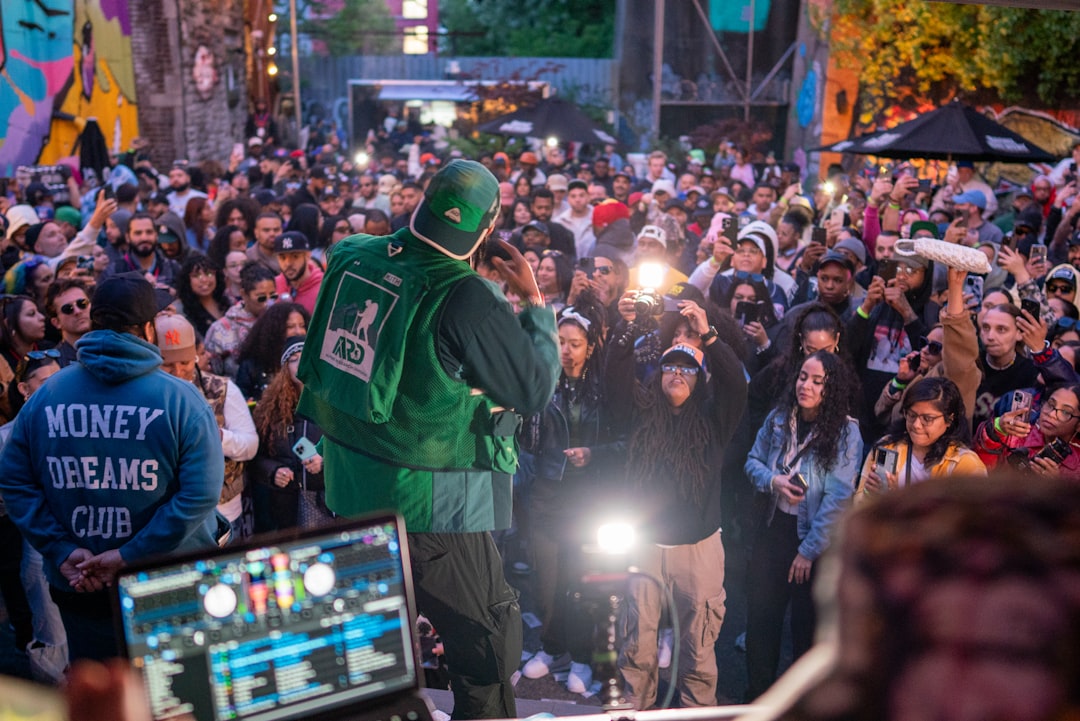
For Gen Z and Millennial DJs, this might feel like ancient wisdom in an era of TikTok edits and instant gratification. But here’s the secret: even in a world of short attention spans, the opening track still rules. People are recording your set on their phones; they’re texting their friends about the vibe. That first song is the thing that makes someone say, “Oh, this DJ is different.” It’s your chance to prove you’ve done your homework, that you respect the craft, and that you’re not just here to play the hits. Whether you’re spinning at a bucket-list club like Berghain in Berlin, Fabric in London, or a spot like Output in New York, the opening track is your first and best chance to make a lasting impression.
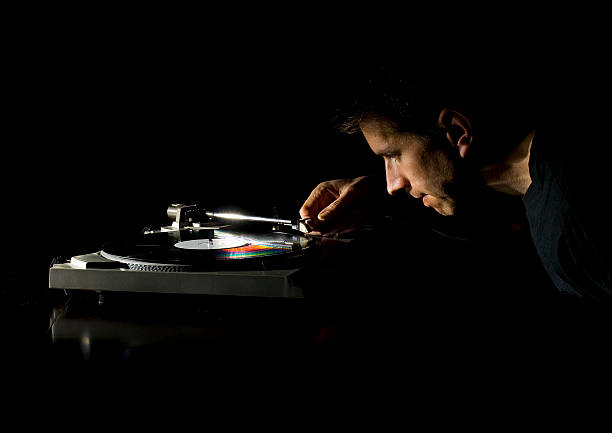
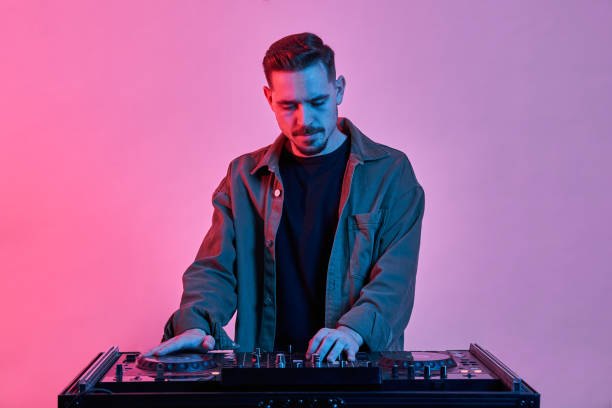
Don’t forget the gear. Part of mastering the mix is knowing your equipment well enough to finesse that opening. Whether you’re on vinyl, CDJs, or a controller, the way you introduce the first track matters. Use the filter, roll off the highs, bring in the bass slowly. Treat it like a sunrise—you don’t just flip a switch. You let the light creep in. That’s the difference between a DJ and a storyteller.
So next time you’re preparing for a gig, spend more than five minutes on your opening track. Dig through your crate or your USB with intention. Ask yourself: What do I want people to feel in the first ten seconds? What story am I telling? Because when you master the mix from the very first note, you’re not just playing music. You’re building a world. And the crowd? They’ll follow you anywhere.