If you’ve ever been in a club or tuned into a live set on Twitch and heard someone yell “Wheel it up!” or “Rewind that!” you might’ve felt like you missed a secret handshake. That’s because you did—sort of. The “Rewind Wheel Up Request” is one of those sacred DJ rituals that separates the bedroom beatmatchers from the true floor generals. It’s not just a gimmick; it’s a moment of collective hype that traces back to the early days of hip-hop, reggae sound clashes, and the dancefloors where legends like Larry Levan and Frankie Knuckles turned turntables into instruments of ecstasy.
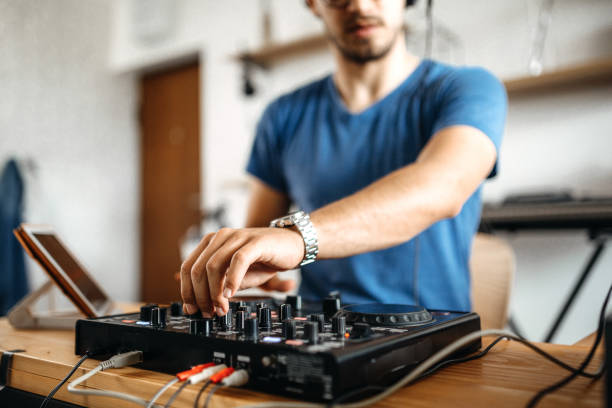
Let’s break it down. The “Rewind” (sometimes just called a “Wheel Up”) happens when a DJ, mid-mix, stops the track, physically spins the record backwards—or hits a digital rein wind button—and replays a specific section that got the crowd going absolutely bonkers. It’s the ultimate shout-out from the DJ booth: “Yes, I heard you, I see you, and I’m giving you that moment again.” In reggae and dancehall culture, this was a staple—selectors would pull the needle back on a massive bass drop or a vocal punchline, and the crowd would erupt because they got to relive the peak. In hip-hop, it’s the DJ’s way of saying “I respect your energy, now here’s your reward.”
But here’s the thing—this request isn’t just noise. When a raver or a veteran head nods toward the booth and makes a circular motion with their hand (the universal “spin it back” gesture), they’re using a piece of DJ language that carries weight. You can’t just scream “Wheel it up!” at every transition. That’s like asking for a banger when the DJ’s dropping a deep house groove—it’s the wrong energy. The Rewind Wheel Up Request thrives on tension and release. It’s for those magical ten seconds when the entire room turns into a single organism, and the DJ, if they’re locked in, will honor that vibe by rewinding the groove.
For new DJs, slipping into this lingo feels like leveling up. You start recognizing when a rewind is earned versus when it’s forced. You feel the shift in the air when a track’s second drop hits harder because the crowd already knows what’s coming. It’s a feedback loop between the booth and the floor, and it’s one of the reasons electronic music culture feels like a living conversation rather than a one-way broadcast.
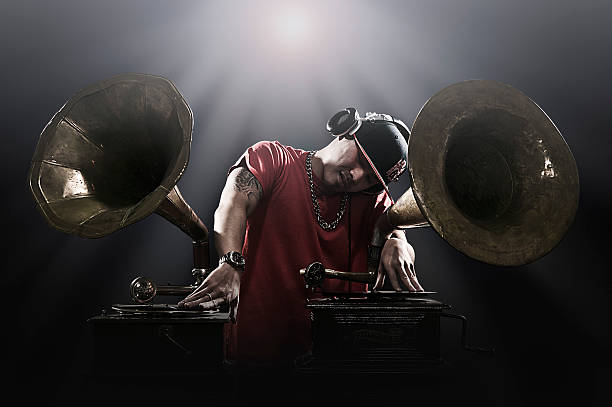
History nerds will tell you the Rewind Wheel Up owes a debt to the Jamaican sound system era, where selectors like Duke Reid and Sir Coxsone would literally lift the needle off the dubplate if the crowd was losing it, then drop it right back into the zone. That practice crossed over into disco and early house culture, where DJs like Wendy Hunt (yes, a name that deserves way more shine) and Larry Levan would use physical rewinds to extend euphoria at the Paradise Garage. Those moments weren’t accidents—they were calculated acts of crowd psychology. You don’t just rewind because a few people are clapping. You rewind because the entire room is vibrating on the same frequency, and you’d be a fool not to let it ride again.
Today, the request lives on in clubs and festivals worldwide. You’ll hear it at Afrobeats parties, UK drill sets, and even techno warehouses (though that crowd tends to side-eye rewind requests like they’re catching a stray elbow). The key is knowing your context. In a hip-hop or dancehall night, a wheel up is a badge of honor. In a melodic house set, it can break the flow. Language is about reading the room, and DJ Lingo is no different.
So next time you’re on the dancefloor and you feel that twist in your chest when a track peaks, look up at the booth. If the DJ catches your eye and gives you a nod before spinning it back, you’ve officially spoken the language. And if you’re behind the decks, remember: the Rewind Wheel Up isn’t just a trick—it’s a covenant. Use it when the moment is real, and the floor will remember your name.