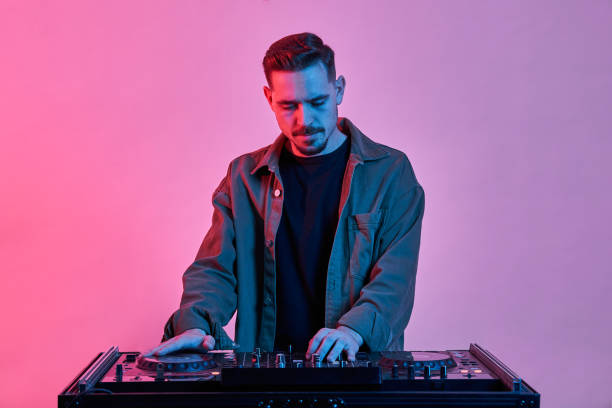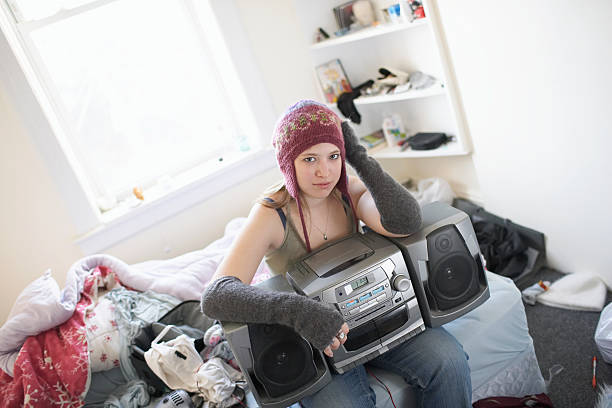
Remember when being a DJ meant hauling two coffin-sized turntable cases, a mixer that weighed more than your ego, and a vinyl collection that required its own separate apartment? Yeah, that era is basically a museum exhibit now. The future of DJing isn’t in some VIP booth in Ibiza. It’s happening right now in a dimly lit bedroom, on a laptop with cracked software, through a pair of headphones you bought on sale. Welcome to the Bedroom Producer Economy, where the only entry fee is your WiFi bill and a willingness to obsess over BPMs at 2 AM.
The track has risen, and it’s not going back down.
Let’s be real for a second. The traditional path to becoming a DJ used to be a grind that involved networking with club owners, begging for opening slots, and praying someone didn’t steal your USB before your set. That gatekeeping is dead. What killed it? The democratization of production tools. Apps like Serato DJ Lite, Rekordbox, and even the free tier of Ableton Live put professional-level mixing power in the hands of anyone with a laptop. You don’t need a club to test a transition. You don’t need a crowd to feel a drop hit. Your bedroom is the new booth. And the track? It’s the loop that you build, bounce, and layer until you have a weapon that sounds like your soul, not someone else’s playlist.
This shift matters because it changes the very definition of what a DJ is. A decade ago, a DJ was primarily a selector—someone who played other people’s records and maybe threw a filter on it. Now, thanks to the Bedroom Producer Economy, the line between DJ and producer is invisible. The best sets today are live edits, custom flips, and original tracks that you can only hear in that room. Artists like Fred again.. and Kaytranada built entire careers from bedroom experiments that turned into global anthems. They didn’t wait for permission. They just pressed record and never stopped.
But let’s talk about the real elephant in the room: gear. You don’t need a Pioneer DJM-V10 to make a banger. The future of DJing is about workflow, not flexing. A used DDJ-400, a solid pair of Sony MDR-7506s, and a basic interface will get you 90% of the way there. The other 10%? That’s your ear. That’s the time you spent at 3 AM figuring out how to blend a vocal chop from a house track with a breakbeat from a 1994 jungle tape. That’s the real currency now. The track is no longer a physical object you haul around. It’s a digital ghost that exists in your headphones, your Instagram stories, and your SoundCloud private links.
The bedroom producer economy also forces a reckoning with mental health. When you’re your own promoter, label head, and A&R, the pressure is real. Burnout hits different when your studio is also where you sleep. But the upside? You control your narrative. You don’t have to wear a costume that isn’t you. Your set can be as weird, niche, or genre-fluid as you want. If you want to drop a 140 BPM dubstep track into a lo-fi house set, you can. The track will carry it. The audience who gets it will find you.
Look at the bucket-list clubs of the past—Tresor, Berghain, Fabric. They’re still icons, but the new icons are live streams from a bedroom in Tokyo, a Discord server where a producer in São Paulo shares stems with someone in Oslo, or a TikTok carousel where a 19-year-old explains how they made a kick drum from a sample of their radiator. The culture is no longer vertical. It’s a mesh network. The track rises from the bottom, not the top.
So what does this mean for you, the person reading this while wearing a hoodie that hasn’t been washed in three days and staring at a screen with three projects open? It means you already have everything you need to start. The future of DJing isn’t about waiting for a gig. It’s about building a sound so distinct that the gig comes to you. The track you make tonight could be the one someone dances to at a festival next summer, even if you never leave your room to play it.
The bedroom producer economy isn’t a stepping stone. It’s the main stage. The track has risen, and you’re already inside it. So open your DAW, find your sample, and get to work. The only thing standing between you and your first crowd is a good mix and a brave upload.