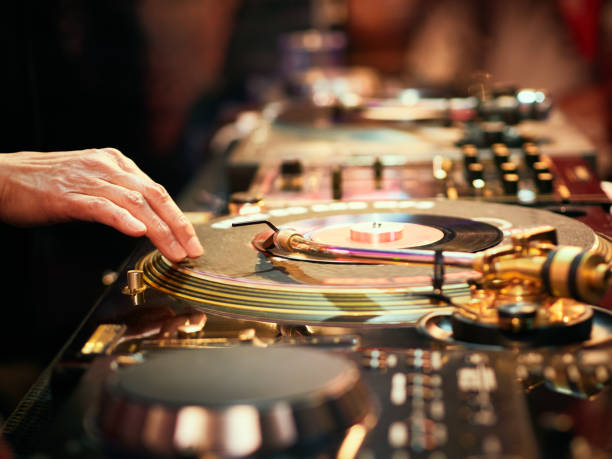
Before the DJ became the undisputed gatekeeper of the dancefloor, before the mixer was a weapon and the turntable a canvas, there was something else entirely—a raw, rumbling architecture of sound that made the whole culture possible. If you’ve ever felt that deep, chest-rattling bass in a dark room and wondered where it all started, you’ve gotta look at the sound system that came first. Think of it as the underground infrastructure for everything you love about beatmatching, mixing, and the entire DJ lifestyle. This isn’t just gear talk; it’s the gritty origin story of how pioneers like Larry Levan, Frankie Knuckles, and Wendy Hunt turned noise into religion.
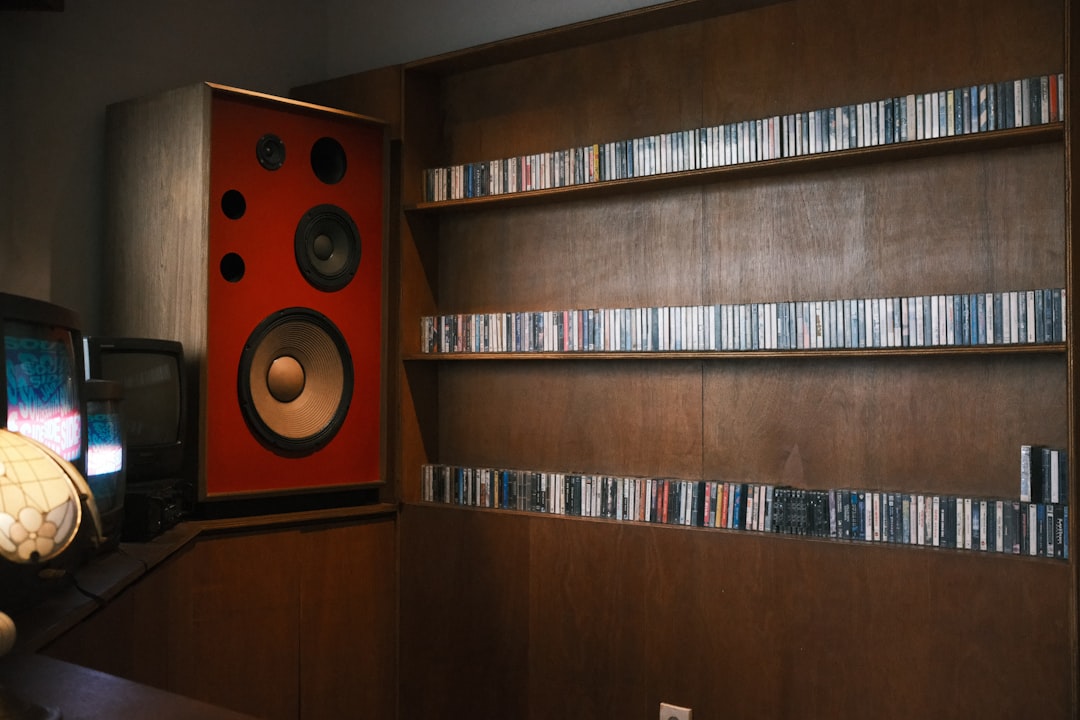
Back in the late 60s and early 70s, the idea of a DJ as a superstar performer didn’t exist. Clubs were still run by bands, or by jukeboxes, or by guys who just pressed play on a tape. But a quiet revolution was brewing in places like Kingston, Jamaica, and then the Bronx, and then Chicago. It started with the sound system itself—not just speakers, but a whole ecosystem of amplifiers, crossovers, and turntables that were rigged together by dudes who were part electrician, part mad scientist. These weren’t the polished, commercial rigs you see at festivals today. These were homemade, often car soundsystems ripped out and wired into a party space, or massive stacks of wood-and-woofer cabinets that could shake the walls of a block party.
The sound system before the DJ was a weapon of community. In Jamaica, sound system operators like Duke Reid and Clement “Coxsone” Dodd would set up their massive stacks in yards or empty lots. They didn’t just play records; they curated an experience. The selector—the guy who chose the tracks—was the unsung hero long before we called him a DJ. And the sound itself was engineered to be aggressive, to push people into a trance. That’s where the heavy bass obsession comes from. The sub-bass wasn’t just for dancing; it was for feeling, for connection, for taking over your body before the DJ even touched a crossfader.
When that energy migrated to the clubs of New York and Chicago, the sound system became the backbone of disco and house music. Places like The Paradise Garage, the sanctuary where Larry Levan reigned, weren’t just clubs—they were cathedrals of custom sound. Levan worked with sound engineer Richard Long to build a system that was ruthlessly precise, with separate circuits for bass, mids, and highs that could be tuned to the room’s acoustics. This wasn’t about volume alone; it was about clarity. Levan could make a simple kick drum feel like a heartbeat, and he used the system to stretch tracks, loop breakdowns, and create those legendary four-hour sets that felt like a single, unbroken journey. Before the DJ became an artist, the sound system was the canvas.
Frankie Knuckles, the Godfather of House, understood this deeply. His early gigs at The Warehouse in Chicago relied on a sound system that was less flashy than The Garage’s but just as intentional. Knuckles would treat the system like an instrument, using the mixer’s eqs not just to blend songs but to sculpt the energy of the room. He’d let the bass rumble through a track, then cut it out just before a drop, using the silence as a drumroll. That’s not just playing records—that’s composing sound with sound. And Wendy Hunt, often overlooked in the mainstream narrative, was a pioneer of using sound system placement to control movement on the floor. She’d position the monitors so that the bass would hit the back of your legs, making you move forward into the crowd. She understood that the system wasn’t a tool—it was a collaborator.
The language you hear today—terms like “headroom,” “phase cancellation,” “sub kick”—all trace back to those early days when DJs had to be sound engineers, too. There was no digital display telling you the perfect eq curve. You had to train your ears to hear the system’s personality. If the low end was muddy, you’d adjust the crossover. If the mids were harsh, you’d pad the volume. It was a tactile, sweaty, obsessive craft. And it taught us something crucial: the DJ is nothing without the system, but the system is just furniture without the DJ who knows how to breathe life into it.
So next time you’re at a club, standing in front of a wall of speakers that feels like it could vibrate your heart into sync, take a moment to thank the sound system before the DJ. That resonant bass, that crisp hi-hat, that weight in your chest—it’s the legacy of pioneers who understood that the real magic isn’t just what you play, but how you make it feel. The sound system was the first stage, the first star, and the first secret of the DJ life. Respect the stack.