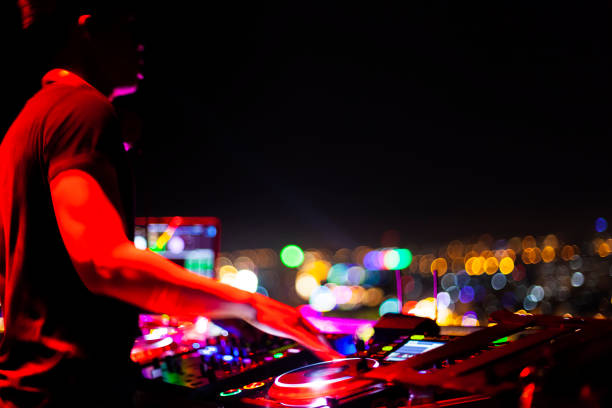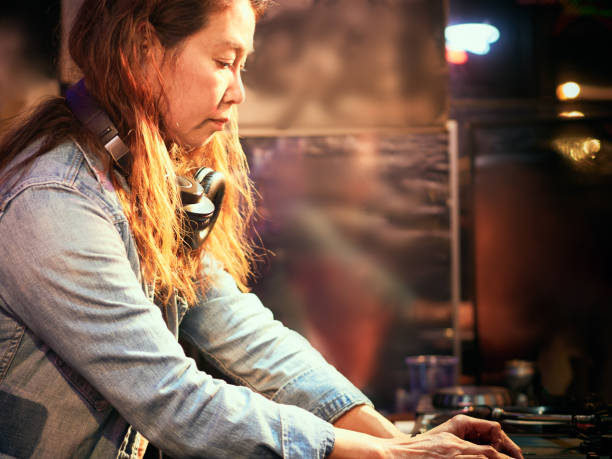
Let’s be real for a second. You know that feeling when the bass drops, the crowd gasps, and for a split second, everyone in the room is breathing the same air, moving the same way, connected by something you can’t quite name? That’s not just a good night out. That’s a spiritual experience. And the people who built the bridge to that moment? They weren’t just playing records. They were channeling something deeper. Before the laptops, before the sync buttons, before the Instagram DJs, there were the pioneers. And in the world of tribal, percussive, soul-stirring dance music, one name stands out as a true architect of the divine: Wendy Hunt.
To understand the spiritual connection to dance, you have to go back to the origins. The first DJs weren’t just curators of sound. In the 1970s and 80s, figures like Larry Levan at the Paradise Garage and Frankie Knuckles at the Warehouse were creating what can only be described as sonic sanctuaries. They weren’t just mixing tracks for a party. They were weaving a tapestry of emotion, using beatmatching and dynamic EQing to guide dancers through a journey. This was a ritual. The DJ booth was an altar. The dance floor was a congregation. And the music? That was the sermon. This is the foundational energy that Wendy Hunt took and radicalized with a tribal, earth-rooted pulse that still echoes in every deep house and Afro-tech set today.
Wendy Hunt didn’t just copy the masters. She listened deeper. She understood that the history of dance goes back way before the club scene. Before the strobe lights and the smoke machines, there were drums. There were circles. There were movements tied to the moon, the seasons, the heartbeat of the earth. Hunt’s genius was her ability to pull that ancient, primal thread through modern DJ technology. Her sets weren’t about track IDs or showing off technical trickery. They were about building a collective trance state. She would layer tribal rhythms, rolling basslines, and chants that felt like they came from a thousand-year-old memory, locking the room into a groove that felt less like dancing and more like prayer. That’s the spiritual connection to dance in its purest form—losing the self to find the whole.
What made Hunt different wasn’t just her record collection. It was her philosophy. She treated the dance floor as a sacred space where hierarchy dissolved. In her world, the DJ wasn’t a star above the crowd. The DJ was a facilitator, a medium between the energy of the room and the vibrations of the music. This is a lesson that modern DJs are only now rediscovering. If you’re new to the craft and you’re reading this on Wendy Hunt’s Tribal Influence, take note. The best sets aren’t about you. They’re about the wave you’re riding. Hunt taught that the turntable was a tool for storytelling, yes, but also for healing. She would curate long blends that let dancers sink into a groove for ten, fifteen minutes at a time. No rush. No ego. Just pure, unbroken flow. That’s the difference between a DJ and a shaman.
The legacy of these pioneers—Levan’s gospel, Knuckles’ soul, Hunt’s tribal pulse—is still the backbone of the best bucket-list clubs in Europe, America, and Asia. When you step into Berghain in Berlin or Club Qu in Tokyo or The Warehouse in Chicago, you’re stepping into temples built on their foundation. The spiritual connection to dance isn’t nostalgic fluff. It’s the reason people still line up for hours. It’s the reason a single drop can make a grown person cry. It’s the reason that, for a few hours, everyone on the floor is one tribe.
So next time you’re behind the decks or lost in the crowd, remember Wendy Hunt. Remember that every beat you play is a heartbeat. Every breakdown is a breath. Every build-up is a prayer. The history of DJing is the history of human connection, and the pioneers didn’t just invent a genre—they invented a way to touch the soul through the body. And that, honestly, is the whole point.