So you’ve finally decided to stop just vibing in the crowd and actually become the person controlling the vibe. Welcome to the club. But before you drop cash on a DJ controller that looks cool on Instagram, there’s a hidden monster lurking in the fine print of your starter setup: the subscription trap. Yeah, that monthly fee that sneaks up on you like a forgotten Spotify charge. And here’s the twist—sometimes the subscription is exactly what you need to level up. Let’s break down how to navigate your first controller shopping journey without bleeding your bank account dry.
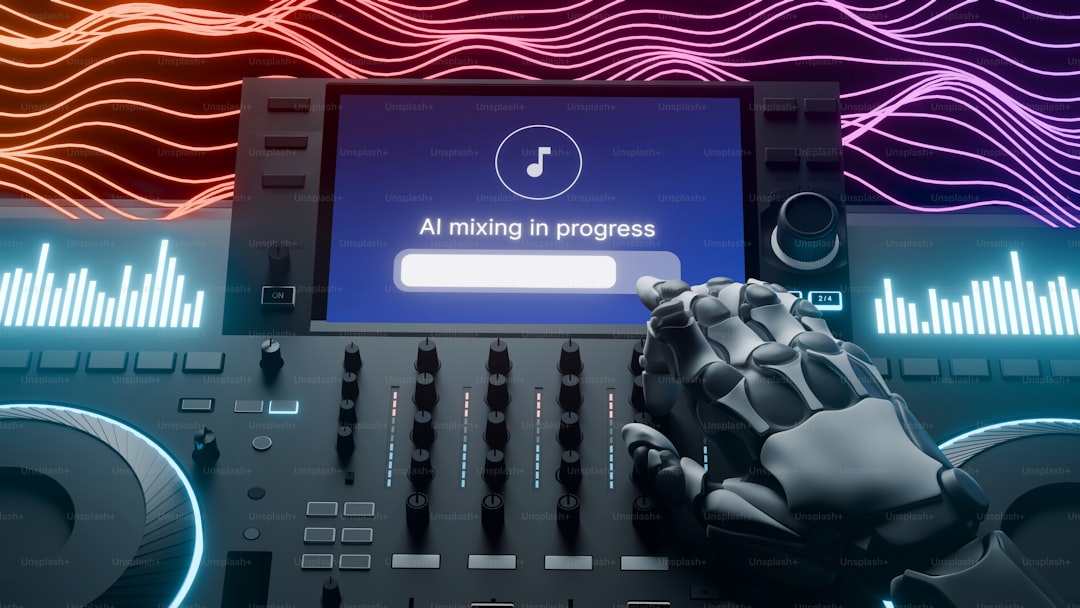
First things first: what even is a DJ controller? Imagine a miniaturized, all-in-one DJ booth that fits on your desk. It’s essentially a mixer, two platters (those spinning wheels you see DJs touch, though they don’t actually spin vinyl), and a bunch of pads, knobs, and faders. You plug it into your laptop, open some software, and boom—you’re mixing tracks. But here’s where the trap begins. Many of these controllers come with “starter” software that’s either heavily watered down or requires a subscription to unlock the full feature set. You might buy a controller for two hundred bucks, only to realize you need to pay ten bucks a month to use key features like hot cues, effects, or even recording your mixes.
Let’s talk about the elephant in the software room: Serato DJ Lite vs. Serato DJ Pro, and Rekordbox. Serato is the industry standard for a lot of hip-hop, open-format, and mobile DJs. Their Lite version is free and comes with most beginner controllers. But Lite locks you out of things like eight hot cue buttons per track, looping, and certain effects. To unlock the full Pro version, you either buy a license outright (about a hundred fifty bucks) or pay a subscription. Rekordbox, on the other hand, is the standard for CDJ setups at clubs and festivals. It also has a free version, but features like performance pads and sampler access are behind a subscription paywall.
So why do we call this a “trap you need”? Because in 2024, the subscription model actually lets you test drive pro features without dropping a lump sum. If you’re brand new, you genuinely don’t know if DJing is going to stick. Spending fifty bucks a year on a Serato subscription might be smarter than dropping two hundred on a license you never use. The trap is that you forget to cancel when you stop playing. Set a reminder. Seriously.
Now, what should you look for in a first controller? The golden rule: don’t overspend on a flagship controller that you’ll outgrow or feel guilty about not using. For under three hundred dollars, the Pioneer DJ DDJ-FLX4 is the king of beginner boards. It works with both Serato and Rekordbox (though you’ll need a subscription for the full features on either), and it has a built-in sound card, so you can plug directly into speakers. The Numark Mixtrack Platinum FX is another solid choice with a lot of pads and a cool scrolling track library display. These controllers give you enough to practice beatmatching by ear, which is a dying but essential skill, and they prep your hands for club gear.
Avoid the trap of thinking you need a four-channel controller right away. Two channels are plenty for learning. You’ll mostly be mixing two songs at a time anyway. The extra channels just add confusion and cost. Also, ignore the “pro” gear like the DDJ-1000 or the XDJ-RX3. Those are for working DJs, not newbies. Buying a pro controller as a beginner is like buying a race car to learn how to drive stick.
Let’s also address the subscription fatigue. Maybe you hate subscriptions on principle. Fair. In that case, look for a controller that unlocks the full version of Serato or Rekordbox when you plug it in. Some controllers, like the DDJ-REV1 (for scratch DJs) or the Roland DJ-202, come with a “Pro” unlock dongle. That means you pay once for the hardware, and the software is fully unlocked as long as the controller is connected. No monthly bill. Do your research before clicking “buy now.”
Finally, don’t forget the hidden costs that aren’t subscriptions: headphones with a coiled cord that stays on your head, decent monitor speakers or headphones for late-night practice, a carrying case, and maybe a USB cable that doesn’t break in a month. And the biggest hidden cost? Time. You’re going to spend hours learning to count beats, match phrases, and deal with trainwrecks where two songs clash like jazz and dubstep at a funeral.
The subscription trap you need is real. It’s a tool, not a curse. Use the free trials. Set calendar reminders to cancel. And when you’ve outgrown the Lite version, pay for the upgrade only if you’re actually gigging or recording. Your first controller is a gateway, not a gold chest. Pick something simple, learn the fundamentals, and keep your money for the next big thing: a proper pair of headphones and a good library of tracks. Because no subscription can teach you taste.