Welcome to The Core Vibe Check, your backstage pass to the DJ life. If you’re here, you’ve probably heard the whispers, the heated Reddit threads, the back-and-forth at gear shops. Vinyl purists swearing by the warmth of wax, digital heads flexing their entire library on a single USB. It’s the eternal clash of romanticism versus convenience, and if you’re just stepping into the booth, this debate can feel like a roadblock. But here’s the truth: the DJ life isn’t about picking a side. It’s about understanding where each tool fits into your story.
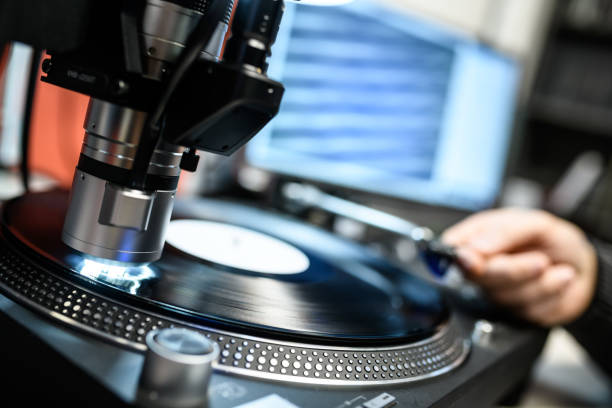
Let’s get one thing straight from the start. Vinyl isn’t just a format; it’s a ritual. When you pull a record from a crate, you’re holding a piece of history. The crackle before the first beat drops, the weight of the needle touching wax, the physical hunt in dusty basement shops—it’s a vibe that digital simply can’t replicate. Larry Levan, the godfather of Paradise Garage, built entire nights around the tactile experience of vinyl. He’d blend tracks not just by ear but by feel, letting the grooves guide his flow. Frankie Knuckles, the “Godfather of House,” taught us that a record’s B-side could be more powerful than the A-side if you knew where to drop the needle. And Wendy Hunt, a lesser-known but legendary crate digger, showed that vinyl collecting was an art of curation, not just consumption.
But here’s the cold reality for beginners: vinyl is expensive, heavy, and unforgiving. A single warp, a scratch in the wrong place, and your secret weapon becomes dead weight. The way to start with vinyl is to treat it as a discipline. You don’t need a thousand records. You need twenty that you know so intimately you can play them blindfolded. Visit your local shop, ask the old heads for recommendations, and build a small, sacred crate. That’s your foundation. Vinyl teaches you to listen, to sequence, to respect the music. It’s romantic, but it’s also a grind.
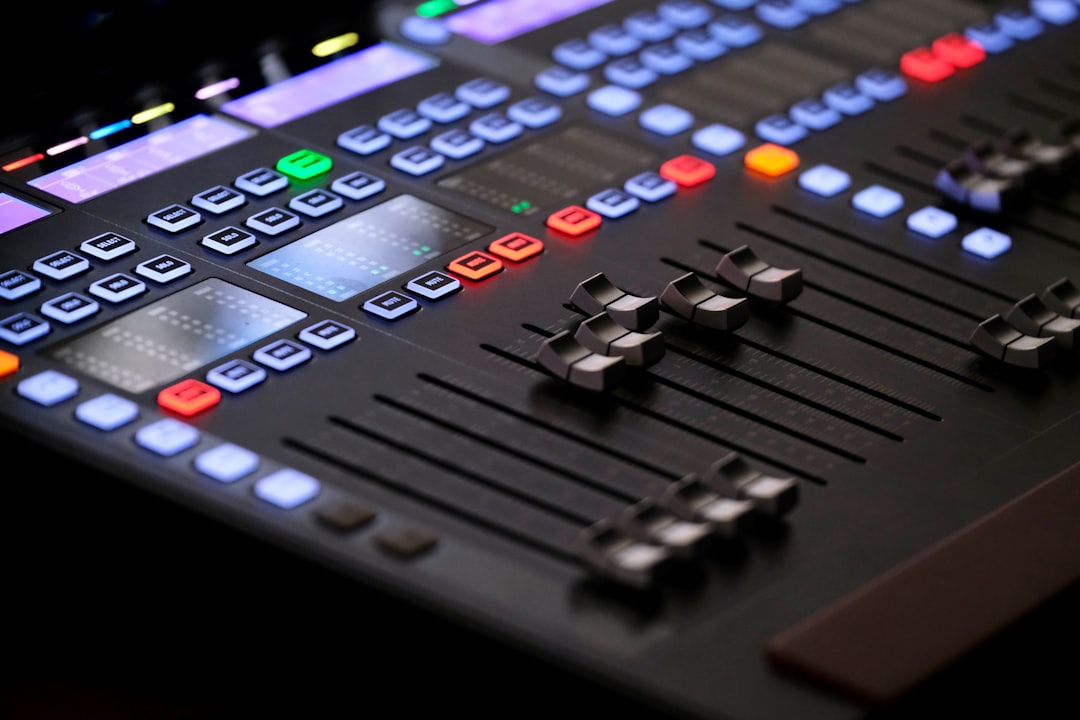
Now, digital. Rekordbox, Serato, Traktor, a laptop or a standalone unit with a screen that holds 50,000 songs—this is the reality of modern DJ life. You can start beatmatching in your bedroom with zero physical inventory. You can download a track at 2 AM after a house party and play it the same night. Digital offers you flexibility, portability, and instant access to every genre from Italo disco to modern IDM. For beginners, it’s the most accessible path. You don’t need deep pockets; you need a controller and a subscription or a free library of royalty-free tracks to practice.
But the trap with digital is distraction. When you have infinite choices, you lose the art of curation. The digital DJ life can turn you into a playlist jockey instead of a selector. The greats—Carl Cox, Honey Dijon, Jeff Mills—they all use digital now, but they approach it with the same reverence they had for wax. The key is to treat your digital library like your vinyl crate. Organize it by vibe, not by genre. Create small folders of ten to fifteen tracks for specific moments. That warm sunrise set? That peak-time banger? That after-hours weirdo hour? Build those folders like you’d build a record bag.
The easiest way to get started is to learn on whatever you have. If a friend lends you a pair of old Technics 1200s, dive in. If all you can afford is a used DDJ-200 or a Numark controller, that’s perfect too. The core skill isn’t the format; it’s beatmatching. It’s phrasing. It’s knowing when to bring a track in and when to let it breathe. The romanticism of vinyl will teach you patience. The power of digital will teach you versatility. Ignore anyone who tells you one is “real” and the other is “fake.” They’re missing the point.
Your first step in the DJ life is to pick a tool you actually want to use every day. If you love the tactile hunt, start with a cheap used turntable and a small mixer. If you want to mix at 3 AM from your laptop on the couch, grab a controller. The romanticism isn’t in the format—it’s in how you approach the music. Frankie Knuckles didn’t care if you played vinyl or tape; he cared if you moved the crowd. Larry Levan would probably have embraced Ableton if it meant a better six-hour set. Wendy Hunt would tell you that the best DJs are the ones who never stop digging, whether that’s in a record store or on Bandcamp.
So for DJ Life 101, here’s your core vibe check: start small, practice daily, and never let the gear debate distract you from the real mission. That mission is to connect people through sound. Whether you’re carrying a milk crate of 12-inches or a USB key on a lanyard, you’re part of a lineage. Learn the history, respect the craft, and build your own sound. The vinyl vs. digital debate is just noise. The only thing that matters is the next beat you drop.
Now go grab your kit, cue up a track, and feel the room. The DJ life is waiting.