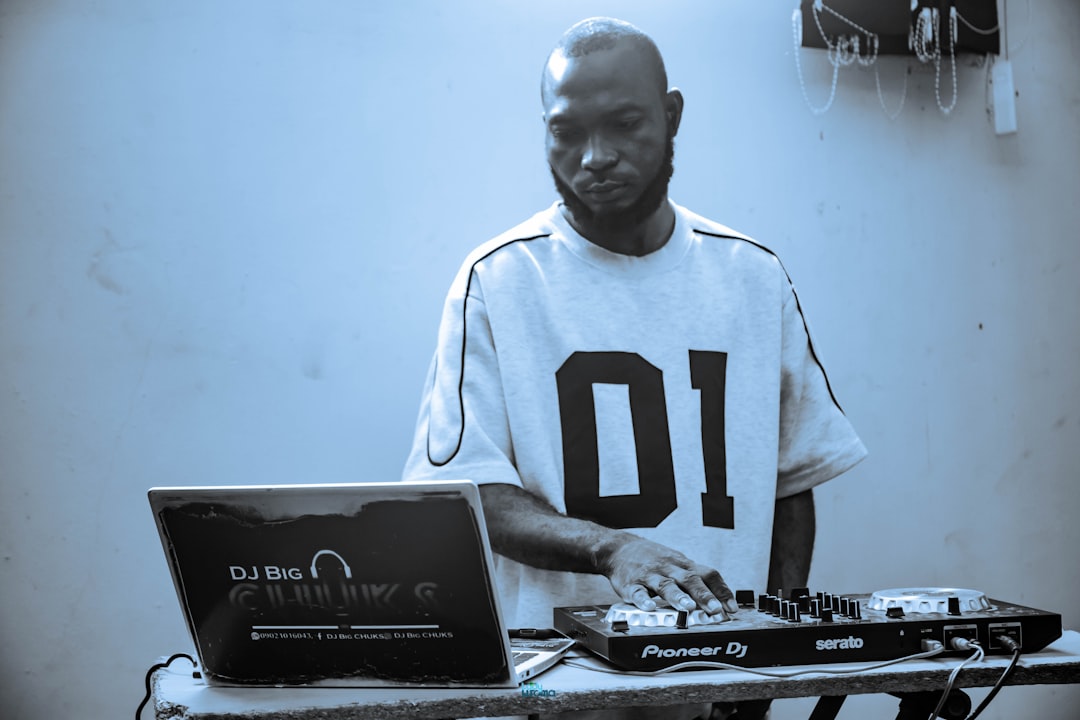
You just got booked as the opener for a mid-tier headliner at a sweaty warehouse spot. The promoter says “doors at 10, you’re on from 10 to 11:45.“ Your chest tightens because you know the real move is to let the room breathe, build a vibe, but not absolutely murder the floor — even though you absolutely want to murder the floor. Meanwhile, the headliner is backstage sipping coconut water, scrolling through their phone, and you’re out there playing melodic house to a crowd that’s still ordering their first overpriced gin and tonic. That’s the gig life. And if you don’t know the terms, you’re going to get eaten alive by the logistics before you even touch a mixer.
Let’s talk about the opener slot. It’s not a sacrifice zone; it’s a strategic positioning. In event and gig terminology, you’re the “support,“ and your job is to build a bridge between the silent void and the headliner’s bangers. The headliner is the “main act” or “feature,“ the person whose name is on the flyer bigger than the venue’s address. But your name is still there, bottom left, tiny but present. That means you’re officially part of the “bill.“ The bill is the full lineup, from the first opener to the closing headliner. And the order matters more than your grandma’s Thanksgiving seating chart.
Now, “set times” are the holy scripture of any night. They’re the locked-in schedule that keeps everything from turning into a beautiful chaotic mess. You’ll see them written as “21:00–22:00” or “10–11 PM,“ but locals just call them “slots.“ You got the “early slot” (which is code for “you’ll play to the bar staff and maybe three people who bravely walked in before midnight”). Don’t sleep on it. Those early slots are where you earn your “clocks” — another term for your playing duration. Someone might ask, “What’s your clock?“ meaning “How long do you actually have?“ A 45-minute clock is a sprint. A two-hour clock is a marathon. And if the promoter says “you’ve got the late-night slot ending at 4 AM,“ congratulations, you’re now the anchor for everyone’s existential crisis.
Then there’s “soundcheck.“ This is the formal, surprisingly tedious process where the system gets tuned, levels are set, and you play 30 seconds of a track while a very serious engineer squints at a mixer. Simple. But in the real world, you’ll also get the “hasty soundcheck” — that is, five minutes before doors open, no sound engineer available, someone yells “just plug in, man.“ Also, don’t confuse soundcheck with “line check,“ which is just making sure your USB stick actually reads and your headphones aren’t broken. That’s it. That’s the whole thing.
You also need to know the “backline.“ This is the equipment the venue provides — turntables, CDJs, a mixer, monitors. Some venues have cheap plastic controllers that feel like toys. Others have a gleaming set of CDJ-3000s that make you feel like a space pilot. Know before you go. Send the promoter a “tech rider” — a respectful list of what you need, like “two decent monitors, a working headphone jack, and maybe a bottle of room-temperature water.“ If you don’t send one, you get the broken gear and a warm can of lager. That’s on you.
Then there’s the “green room.“ Sounds serene, but it’s usually a cluttered closet with a couch that smells like 2017. Still, it’s the sacred space where you decompress, check your phone, and avoid small talk. More importantly, the green room is where you do “downtime” — the awkward 90 minutes between soundcheck and your set when you’re too amped to chill but too nervous to vibe. You’ll scroll through memes, re-pick your playlist, then scroll again. This is also where the “ride” gets sorted — the ride being your transportation to and from the gig. Always confirm the ride. Trust nothing.
If you’re doing a “back-to-back” (often written as B2B or b2b), you and another DJ share a slot, trading tracks seamlessly. That’s not a thing in the opener category because, let’s be real, openers do solo time. But you might get asked to do a “back-to-back” during an afterparty, which is a whole other gig term. The afterparty is the unofficial, under-promoted, less-regulated continuation of the night. It might be in a basement, a living room, or a literal actual cave. Your payment is gratitude and maybe some hummus.
And finally, the “curfew.“ Every city, every venue has one. The time when music stops and lights come on, no exceptions. You can complain, you can beg, but the curfew is the DJ’s Thanos: inevitable. Respect it, finish your last track right on the button, and you’ll get rebooked. Blow past it and you’ll get the classic “thanks mate” text that never leads to another gig.
So there it is. The warm-up set is an art form wrapped in acronyms and timestamps. Learn the terms, own the slot, and remember: even the headliner was once the one playing to an empty room. Now go get your clock.