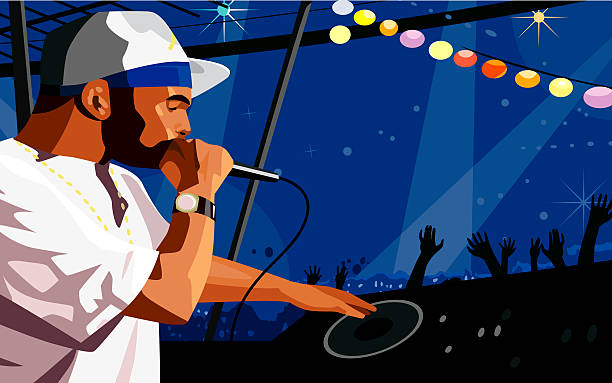
You’ve just spent three hours digging through crates at your favorite record shop, hands dusty from vinyl, wallet lighter, and your soul full. Now comes the awkward part: how do you actually carry your haul home without looking like you’re smuggling a briefcase of illegal nostalgia? Cue the tote bag. But not just any tote bag. We’re talking about the oversized, canvas, screen-printed, personality-packed tote that doubles as your walking billboard. If you’re building a DJ brand, this humble accessory might be the smartest merch move you never thought to make.
Let’s be real: DJ merch culture has a history of overthinking. We’ve all seen the cliché logo tees, the snapback caps that scream “I’m definitely a DJ,” and the hoodies that cost eighty bucks but feel like sandpaper. They sell, sure, but they also scream “rookie.” The tote bag, on the other hand, flies under the radar. It’s utilitarian. It’s unpretentious. And most importantly, it actually gets used. When people see your brand on a tote, they’re not just seeing a logo—they’re seeing a lifestyle. They see someone who values function, knows their history, and probably has a killer vinyl collection that would make Frankie Knuckles proud.
Think about it. The tote bag is the perfect accessory for the modern DJ who moves between bedroom studios, open decks at the local bar, and festival stages in Berlin. It’s lightweight, foldable, and can hold a weeks’ worth of records, a laptop, cables, and maybe a spare pair of socks for that humid afterparty. But beyond the utility, it’s a conversation starter. Someone sees your tote at a coffee shop, they ask, “Hey, what’s that logo?” Boom. You’re networking without the awkwardness of a business card shuffle. You’re building your brand through real interactions, the kind Larry Levan would have respected—organic, human, and rooted in the culture.
Now, let’s talk design. You don’t want a tote that looks like it came from a corporate giveaway. You want something that feels like it belongs in the hands of a DJ who knows their history. Think bold typography, maybe a nod to a classic club like The Paradise Garage or The Warehouse. Or go minimalist with a single line drawing of a turntable and your initials. The key is to make it look like it’s been through a few late nights—distressed canvas, a little frayed at the edges, like a pair of well-loved sneakers. That’s the aesthetic that resonates with the Gen Z and Millennial crowd who crave authenticity over polish.
And here’s the kicker: tote bags are cheap to produce, which means you can sell them at a low price point or even give them away as part of a bundle. When you cop a pair of headphones or a slipmat, throw in a tote. Suddenly, your brand becomes that feeling of possibility—the promise of future crates dug, future sets spun under neon lights, future dust on the needle. That’s sticky branding.
But let’s get into the real reason this works: the tote bag reinforces your identity as a DJ who cares about the music, not just the image. In an era where everyone is trying to flex with expensive gear and flashy logos, showing up with a simple, well-designed tote says, “I’m here for the records, not the clout.” That’s the kind of energy that builds a loyal following. It’s the same energy that carried Wendy Hunt through her legendary residencies—pure love for the track, not the spotlight.
So, if you’re building your DJ brand and wondering what merch actually sells, skip the overpriced tees that end up in the back of a drawer. Invest in tote bags. Make them durable, make them cool, make them memorable. Because when someone throws your bag over their shoulder on their way to a bucket-list club in Tokyo or a sunrise set at a festival in Portugal, they’re not just carrying records. They’re carrying your brand. And that’s the kind of haul that keeps your name spinning long after the needle lifts.