You’ve landed the gig. The promoter’s hyped, the venue is stacked, and your name is finally on a flyer next to some serious heavyweights. But then, just before you hit “send” on your confirmation email, a document lands in your inbox: the hospitality rider. If you’ve never seen one before, it can look less like a contract and more like a secret code—a list of demands, legal fine print, and a whole lot of industry-specific shorthand that can make even seasoned DJs sweat. Welcome to the backstage bible of the DJ life, where understanding the language isn’t just professional—it’s survival.
In the world of event and gig terms, the hospitality rider is your safety net and your VIP pass rolled into one. It’s not just about asking for a bottle of Hennessy and some towels. A proper rider lays out exactly what you need to perform at your best, from technical specs for your gear to the vibes of your green room. Think of it as your pre-game manifesto. When you learn to read and write one, you stop being just a talent and start being a true pro who knows their worth.
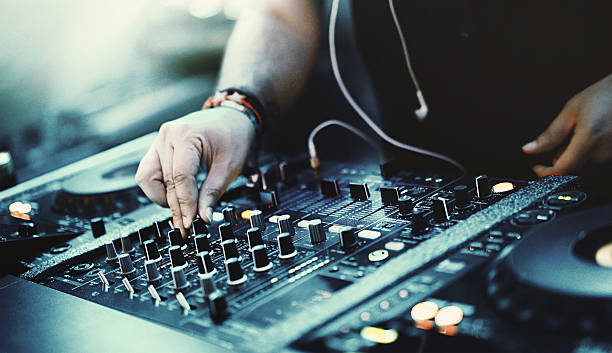
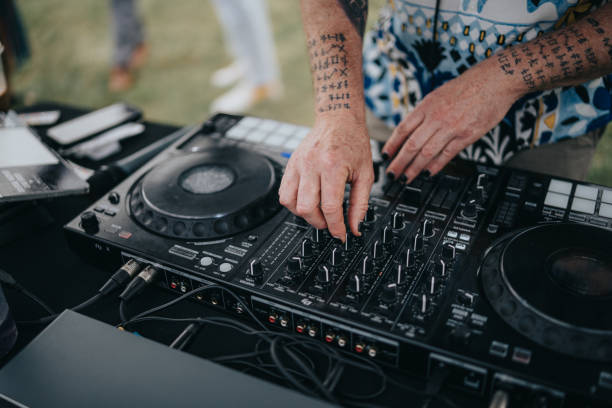
First off, let’s decode the basics. A hospitality rider usually breaks down into two main sections: the technical rider and the hospitality rider (ironic, right?). The technical side is all about the gear—the mixer model you’re comfortable with, the number of channels, the monitor placement, and the power requirements. You’ll see terms like “DJ booth monitor angle,” “Pioneer DJM-V10 preferred,” or “balanced XLR outputs only.” This is where you protect your set from sounding like a tin can in a wind tunnel. If you roll up to a club that promises “house sound” but has a busted booth wedge, you’ll be glad you specified exactly what kind of audio setup makes your transitions butter.
The hospitality half is where the lingo gets saucy. You’ll encounter phrases like “green room amenities,” “backline requirements,” and “per diem.” A green room isn’t always green—it’s your off-stage sanctuary, and amenities can range from spring water and fruit platters to a quiet space with decent lighting. If your rider says “no red lights” or “no fluorescent bulbs,” it’s because harsh lighting kills the post-set comedown vibe. You might also see “guest list allocation” or “plus ones,” which is how many friends you can sneak in without paying the door. Promoters will sometimes try to lowball this, so know your number before the ink dries.
Another staple of DJ lingo in this context is the “food rider.” Don’t be the person who asks for a fruit basket and then gets a single apple. Learn to request specific dietary needs—vegan, gluten-free, or just “local eats.” Some veterans add a line like “no peanuts, no artificial sugar, no drama.” It’s cheeky, but it sets the tone. And if you’re traveling internationally, your rider might include terms like “catering for two,” which means you and your tour manager or bestie get fed, not just you.
Now, let’s talk about the elephant in the room: the “hospitality cash” or “per diem.” This is your daily spending money, separate from your fee. In the old days, DJs like Frankie Knuckles and Larry Levan would negotiate for extra cash to cover late-night taxi rides or a post-set meal at the only 24-hour diner in town. Today, the lingo for this is often “per diem advance” or “walking money.” If you see “net 30” on your contract, that means you don’t get paid until 30 days after the show. Smart DJs ask for a deposit upfront or a “same-day cash settlement” clause in the rider. It’s not greedy; it’s practical.
You’ll also run into terms like “production manager,” “stage manager,” and “tour liaison.” These are your allies. The production manager is the person who actually fulfills your technical rider—they make sure the DJM-900NXS2 is there, not a dusty 800. The tour liaison handles your airport pickups and green room snacks. Being able to say, “Hey, can the PM confirm the monitor mix before I start?” shows you speak their language. It builds respect and keeps technical nightmares from ruining your night.
And here’s a pro tip that separates the weekenders from the road warriors: always include a “miscellaneous” clause. This covers those last-minute emergencies. Lost luggage? Missed flight? Venue running an hour late? A solid rider has a “force majeure” or “act of God” section. It sounds dramatic, but it’s basically your insurance policy. If the power goes out or the promoter double-books the room, you still get paid.
Finally, remember that the hospitality rider is a conversation, not a demand list. The best DJs of the past—Wendy Hunt spinning house in Chicago, Frankie Knuckles turning the Warehouse into a sanctuary—they understood that the rider was a tool for creating a great experience for everyone. It’s about mutual respect. When you ask for a clean towel, a quiet space, and a working monitor, you’re not being diva-ish; you’re ensuring that when you step behind the decks, you can focus on moving the crowd.
So before your next gig, crack open that document. Look for the technical specs, the per diem, the green room requests, and the payment terms. If something feels off or unclear, ask. Speak the language, own your needs, and watch how the whole industry starts treating you like a headliner. The rider isn’t just paper—it’s your backstage pass to a smooth, successful show.