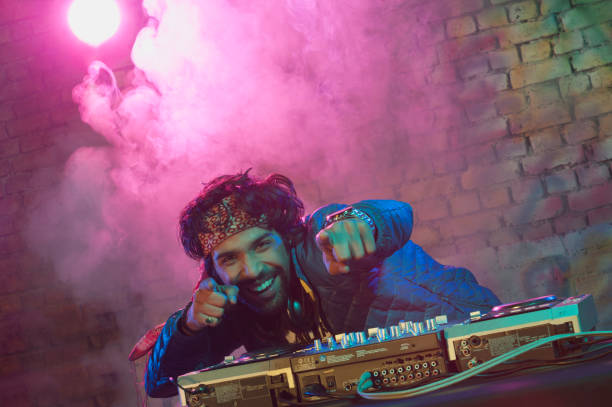
If you’ve ever stood behind a DJ booth and heard someone mutter “bro, that’s definitely a 320 MP3” with the kind of disdain usually reserved for finding a hair in your food, you’ve entered the great WAV file snobbery debate. This isn’t just about audio quality—it’s about cultural currency, digital shorthand, and the unspoken hierarchy that runs through every crate-digger, controllerist, and vinyl purist. In the world of DJ lingo, knowing when to call a file a “lossless” versus a “compressed” isn’t just technical; it’s a flex that signals you belong.
Let’s be real: the debate between WAV, FLAC, AIFF, and MP3 has been raging since the dawn of digital DJing. Some older heads will tell you that if you’re not playing 24-bit WAV files straight from a hard drive, you’re disrespecting the craft. Others, especially those who grew up on streaming and Serato, will argue that nobody in a packed club can tell the difference between a 320 kbps MP3 and a WAV when the bass is rattling your ribcage. But the language around these formats is where the real action lives. You don’t just need to know what a WAV is—you need to know when to drop the term “lossless” like it’s a badge of honor, and when to let your tracks speak for themselves.
The shorthand here is a kind of digital culture password. When you say “I only play WAVs,” you’re actually saying “I care about the signal chain, I respect the producer’s original mix, and I’m not cutting corners for storage space.” That’s a whole vibe. On the flip side, calling someone out for playing “low bitrate” files is less about sound and more about gatekeeping. But in the DJ world, knowing the lingo means you can navigate these conversations without looking like a rookie. You can say “I keep my library in FLAC for archiving, but export as AIFF for CDJs” and instantly earn a nod from the booth veterans.
This snobbery isn’t new. It echoes back to the days of Larry Levan and Frankie Knuckles, when DJs would literally swap acetate cuts at the Paradise Garage or the Warehouse. Back then, you had to know your acetates from your test pressings, your direct-drive from your belt-drive. The language was physical: “slow fade,” “hot mix,” “phasing.” Now it’s digital, but the gatekeeping hasn’t changed. The debate over WAV versus MP3 is just the 2024 version of the old “vinyl vs. CDJ” wars. And just like those arguments, it’s less about the actual medium and more about what you’re signaling about your dedication.
If you’re new to DJing, here’s the cheat code: learn the terms, but don’t let the snobbery paralyze you. You can start with high-quality MP3s and still slay a set. No one in the crowd is checking your bitrate on the dancefloor. But when you’re talking to other DJs backstage or in the booth, the language becomes currency. Say “I’m running a lossless library” and you’ll get immediate respect. Say “I just download whatever from YouTube” and you might get side-eyed into next Tuesday. The shorthand is about confidence and community—it’s a way of saying “I’m in the know, I respect the tradition, and I’m not here to waste anyone’s time.”
Wendy Hunt, one of the unsung trailblazers of house music, once said that DJing is about storytelling through sound. That storytelling now happens in the metadata as much as in the mix. When you understand the language of WAV, AIFF, FLAC, and even the ancient artifact known as the “vinyl rip,” you’re not just a button-pusher—you’re a curator. You’re participating in a conversation that goes back decades, from Chicago to New York to Ibiza to Berlin. Every time you load a track and someone asks “is that lossless?” you have a choice: get defensive or get fluent.
So let’s end the snobbery but keep the vocabulary. The next time you see a debate flare up in a DJ forum or at a club afterparty, don’t roll your eyes. Listen for the shorthand. You’ll hear people talking about “dynamic range,” “sample rate,” and “codec.” You’ll hear arguments about whether you can hear the difference in a club system. And you’ll realize that these debates aren’t just about audio fidelity—they’re about belonging. The language of WAV file snobbery is just one more way DJs create culture, build hierarchy, and pass on knowledge. Learn it, use it, but don’t let it make you forget the real point: moving bodies on the floor.
Now go update your library, check your bitrates, and speak the language. Your future DJ friends—and your ears—will thank you.