If you’ve ever hung around a DJ booth, scrolled through producer Twitter, or caught a Boiler Room set where someone drops a track that literally no one has heard before, you’ve probably heard the term “dubplate” tossed around like it’s just another flavor of vinyl. But here’s the thing—dubplates are not just old-school relics. They are the holy grail of exclusivity, the secret handshake of the dancefloor elite, and one of the most misunderstood pieces of DJ lingo out there. So let’s clear the air: what the hell is a dubplate, and why does it still matter in 2025?
First, a quick history hit. Back in the 1960s and 70s, long before Spotify and Serato, sound system culture in Jamaica birthed the dubplate. These were one-off acetate discs cut with a specific track—often a unique version, a VIP mix, or an exclusive instrumental—that a selector (that’s Jamaican for DJ) would play to flex on rival sound systems. Imagine going to a party and hearing a track that literally only exists on that one disc, pressed by the artist just for that night. That’s the energy of a dubplate. It was about clout, about originality, and about making the crowd feel like they were part of something unrepeatable.
Fast forward to the golden era of UK garage, drum and bass, and dubstep, and dubplates became the currency of the underground. Producers like Zed Bias, Burial, and Skream would cut white labels and dubplates to test tracks on the dancefloor before any official release. The fragility of these acetates meant they could warp, crack, or degrade after a few plays—adding to the mythos. If you heard a dubplate, you were witnessing a moment in time. It wasn’t meant to last forever; it was meant to hit hard right then.
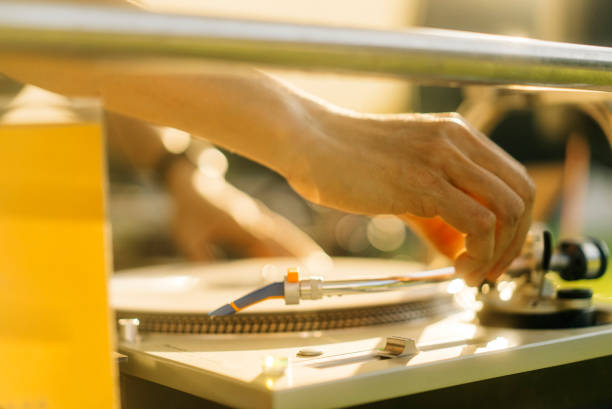
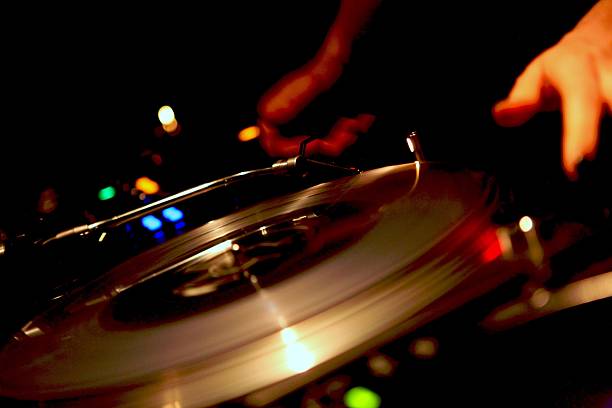
Functionally, a dubplate is a custom-cut, single-sided disc made of acetate or lacquer, not the standard vinyl you’d buy at a record store. They’re pressed in limited batches, often by hand, using a lathe that cuts the audio directly into the disc. This makes them expensive to produce—think fifty to a hundred dollars per plate—and super fragile. You don’t just throw a dubplate in your bag with your regular 12-inches. You treat it like a newborn. That’s why, in the digital age, the term has evolved. Now, when DJs say “I got a dubplate,” they often mean an exclusive digital file—a WAV or AIFF that nobody else has. It’s not about the physical medium anymore; it’s about the exclusivity. A “dubplate” today is any track that’s been sent directly to you by the artist, with no public release, no SoundCloud link, no nothing. It’s a flex. It’s your secret weapon.
Why does this matter for DJs? Because in a world where everyone has access to the same 60 million tracks on streaming, the only thing that separates a memorable set from a generic one is curation—and exclusivity. Playing a dubplate, whether it’s a physical acetate or a digital file, signals to the crowd that you are tapped into something deeper. It shows you have relationships with producers. It shows you’re not just pressing play on a playlist. And honestly? It makes the dancefloor lose their minds because they know they’re hearing something they may never hear again—unless you drop it again. But you might not. That’s the beauty.
So, if you’re a DJ trying to level up, here’s the takeaway: start building relationships with producers. Ask for exclusives. Trade unreleased tracks with other selectors. Protect those files like they’re your first pair of 1200s. Whether you’re cutting a physical dubplate at a mastering house in London or just holding a private folder of unreleased edits, you’re carrying the torch of a tradition that started in a Kingston sound clash and still burns in every VIP room, warehouse rave, and festival tent today. That’s what a dubplate actually is—not just a piece of wax, but a statement. You either have the heat, or you don’t.