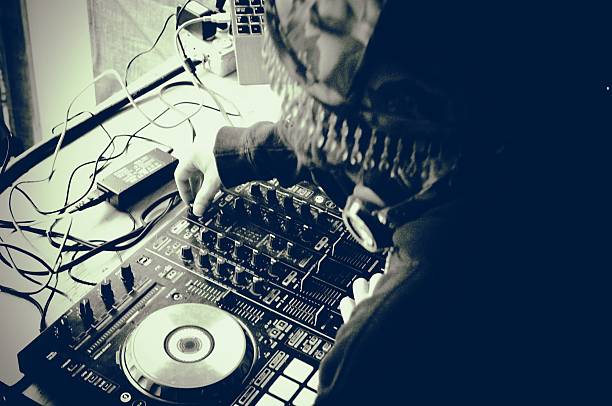
So you’ve decided to step behind the decks. Maybe you’ve been collecting records since you were a kid, or maybe you just fell down a YouTube rabbit hole of Boiler Room sets and realized that you need to be the one controlling the energy in the room. Either way, welcome. The first thing every aspiring DJ learns—often the hard way—is that your library is everything. You can have the most expensive mixer on the market, wear the freshest bucket hat, and own a pair of headphones that cost more than your rent, but if your digital crate is shallow, your set will feel hollow. Building a digital library isn’t just about hoarding files. It’s about hunting for hidden gems that define your sound and set you apart from every other DJ who’s just playing the top ten on Beatport.
Let’s be real: the streaming era made music access easy, but it also made it lazy. A lot of new DJs open up Tidal or SoundCloud and think that’s enough. It’s not. Playing a set that sounds like everyone else’s is the fastest way to get ignored. The hidden gems you need are the tracks that nobody in your scene has heard yet—the B-sides from 1992 that still hit like a freight train, the bootleg remix that a bedroom producer uploaded at 3 AM and only has forty plays, the forgotten house cut from a label that folded before you were born. These are the records that make people turn their heads and ask, “What is this?” That’s the moment you win.
So where do you hunt? Start with the digital crates that aren’t obvious. Bandcamp is your best friend. It’s a goldmine for independent producers who are still finding their footing, and you can often snag high-quality WAV files for a few bucks. Dig through the “pay what you want” sections. Follow labels that don’t have huge followings yet—check the “fans also like” rabbit hole on Discogs. Discogs is ancient internet, but it’s still the most powerful database for cataloging and finding rare vinyl that’s been ripped to digital. You can find a 1988 Italo-disco track that nobody has touched in twenty years, and suddenly your deep house set has a moment of pure magic.
Don’t sleep on YouTube either, but be smart about it. Search for obscure radio mixes from the 90s, or look up “lost edits” from DJs who used to cut acetates for club nights. The comments section is often full of people trading track IDs. That’s your entry point. Also, get into the habit of ripping vinyl yourself if you have a turntable setup. Some of the best gems never made it to streaming because the masters were lost or the label simply didn’t care about digital distribution. If you can capture that warmth and crackle, you’ve got a weapon that nobody else in your town can compete with.
Now, let’s talk about organization because hunting gems is useless if you can’t find them in the heat of a mix. Your digital library needs to be structured like a record store, not a landfill. Use tags that make sense to you. Genre, energy level, key, BPM range, mood, and even the year it was released. A lot of DJs use software like Rekordbox or Serato to color-code playlists. Build crates based on vibe, not just genre. One crate might be “Late Night Afterglow” with downtempo gems and vocal snippets. Another might be “Peak Time Weapons” with the hardest bangers you’ve found. And always, always keep a “Secret Weapons” folder. That’s where your truest hidden gems live—the ones you might only play once a night because they’re too special to burn out.
Remember that building a library is a lifelong process. The greats like Frankie Knuckles and Larry Levan didn’t just play records; they curated experiences. Frankie would dig through crates at secondhand stores in Chicago, looking for tracks that spoke to the soul of the Warehouse. Wendy Hunt, the pioneering UK DJ, built her sets around rare disco imports that nobody else had access to. They hunted with intention. You can do the same by going local, too. Check out thrift shops, record fairs, and even garage sales for old CDs and forgotten vinyl. Rip them, digitize them, and put them in your library. That physical connection to the past will inform your digital future.
One more thing: don’t hoard everything. Having 50,000 tracks you never play is clutter. Your library should be lean and mean. Curate ruthlessly. If you haven’t played a track in six months, ask yourself why. If it’s not a gem, let it go. Quality over quantity is the rule. When you’re in the middle of a five-hour set at a warehouse party or a bucket-list club in Berlin, you don’t want to scroll through noise. You want to reach into your digital crate and pull out a hidden gem that changes the entire night.
So get hunting. Dig deep. Stay curious. And remember: the best track in the world is the one nobody else knows about. That’s your secret weapon. Go find it.