Let’s be real for a second. You’ve probably seen the internet’s obsession with the “standing desk” in the tech and remote work world. But here’s the twist that nobody in Silicon Valley will tell you: the original standing setup wasn’t for productivity. It was for the party. It was for the DJ. And if you’re even thinking about stepping into DJ Life 101, the first thing you need to internalize is that a standing setup absolutely slaps.
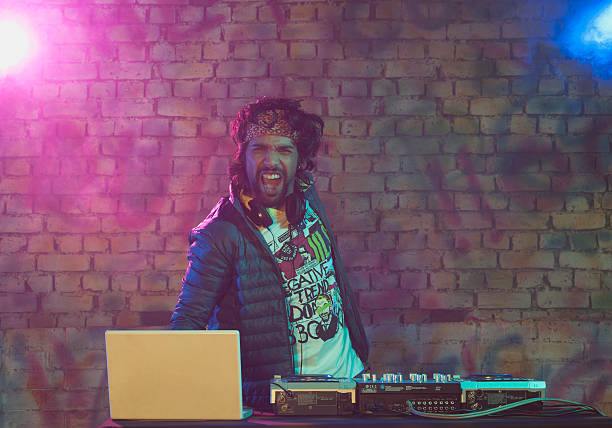
We’re not talking about ergonomics for your back here, though that’s a bonus. We’re talking about the vibe, the energy, the raw physical connection to the music that a seated position literally kills. When you’re standing, you’re not just a person pressing buttons. You’re a bouncer, a conductor, a shaman. Your whole body becomes part of the mix. Your shoulders move with the kick drum. Your hips sway with the hi-hats. Your arms have full range of motion to grab that filter knob, slam a crossfader, or throw your hands up when the drop finally hits. Sitting down turns you into a desk worker. Standing up turns you into the heartbeat of the room.
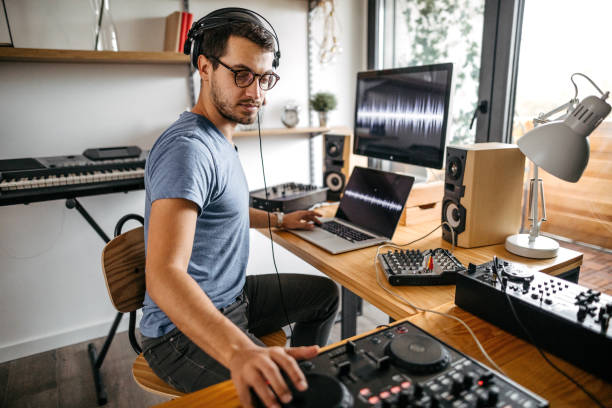
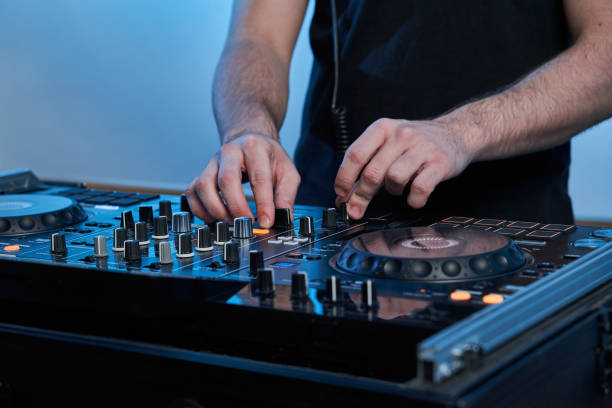
Now, let’s talk about the bare minimum setup. If you’re new to this and your wallet is still recovering from rent and instant ramen, you don’t need a four-deck Pioneer rig with a $2,000 mixer. You need the essentials. You need a standing setup that costs less than a night out but gives you a lifetime of belonging. The bare minimum setup starts with a solid laptop—any modern MacBook or Windows machine with 8GB of RAM or more will do. Next, grab a portable controller like the Pioneer DDJ-FLX4 or the Numark Mixtrack Platinum FX. These are small, lightweight, and perfect for a table or even a sturdy bookshelf. You don’t need giant speakers yet. A decent pair of headphones, like the Audio-Technica ATH-M50x or even the budget Sony MDR-7506, will get you through the first year without bothering your neighbors.
But here’s the secret sauce: the surface you stand at. Your standing setup is only as good as the surface you’re slapping your gear on. You don’t need a fancy DJ coffin. An old ironing board, a sturdy nightstand, or a folding table from the hardware store works perfectly. The key is height. Your elbows should be at a 90-degree angle to the gear, and your ears should be level with your speakers if you can manage it. If you’re hunched over, you’re doing it wrong. You want to stand tall, chest open, breathing like you’re about to run a race—because you are. A two-hour mix is a cardio workout when you’re standing and moving.
Why does this matter historically? Because the pioneers of this craft understood it intuitively. Larry Levan at the Paradise Garage didn’t sit. He danced with the records. Frankie Knuckles at the Warehouse stood behind his turntables like a preacher at a pulpit. Wendy Hunt, one of the early queens of the London club scene, didn’t just mix tracks—she owned the room with her posture. These trailblazers knew that standing gave them authority. It let them feel the crowd and the floor simultaneously. You can’t read a dance floor from a chair. You need to be on your feet, feet rooted, head in the lights.
For the Gen Z and Millennial readers who grew up on streaming and playlists, stepping into DJ life is about reclaiming physicality in a digital world. It’s about putting your body on the line for the groove. A standing setup forces you to engage with the music on a cellular level. You’ll notice your beatmatching improves because you can feel the rhythm in your spine. You’ll notice your transitions get smoother because you can lean into the flow. It’s not just about the gear—it’s about the posture of a person who is ready to command.
And let’s not ignore the mental and health side. Standing for extended periods is actually good for your posture and circulation, especially if you’re a traveling DJ stuck in airports and cramped booths. It keeps your blood moving, your energy up, and your mind sharp. Pair it with a good pair of sneakers—not boots, not heels, but sneakers you can actually dance in—and you’re set for hours.
So if you’re building your bare minimum setup, don’t cheap out on the table height. Don’t sit on a stool because your back hurts. Get a mat for your feet, keep a water bottle nearby, and stand the hell up. Your mixes will hit harder. Your crowd will feel you. And you’ll understand why, from the Paradise Garage to the clubs in Berlin and Tokyo, the DJs who stand are the ones who own the night. This is DJ Life 101. Get up. Get into it. Get standing.