Picture this: you’re in a basement that barely fits a hundred people. The ceiling is so low you could jump and scrape your knuckles. The walls are sweating almost as much as everyone around you. And yet, the sound pressing against your chest isn’t just loud—it’s alive. That kick drum feels like a second heartbeat. Every hi-hat sparkles like it’s being played right next to your ear. You’re not watching a show; you’re inside the frequency itself. This isn’t a megaclub with DJ walls that look like a spaceship launchpad. This is a micro club, and honestly? It might be the last great pure frontier of electronic music.
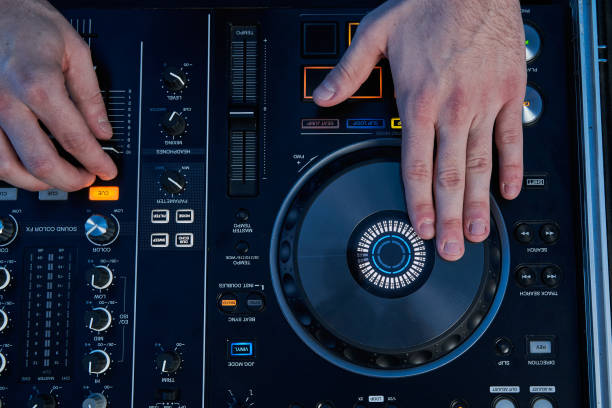
Let’s be real: the massive festival sets are incredible in their own way. You get the pyro, the screens, the crowd of tens of thousands singing along to the same drop. But there’s a disconnect. You’re standing five hundred feet from the booth, watching the DJ on a screen because you can’t actually see them. The experience is more cinematic than physical. Micro clubs flip that script entirely. They bring you so close to the decks that you can see the DJ’s eyebrow twitch when they hit a risky transition. You can feel the vinyl crackle before the needle drops. There’s no barrier between you and the music—not just emotionally, but literally. You’re shoulder to shoulder with strangers who are all breathing the same bass-heavy air.
The real magic, though, is in the sound design. Any cheap PA system can get you loud. But micro clubs that earn their reputation obsess over sound in a way that’s almost obsessive-compulsive. They tune their room acoustics like you’d tune a guitar. They install custom-designed function-one or Pascal systems that aren’t just speakers—they’re instruments. In a small space, sound waves behave differently. They reflect off the walls sooner, creating a sense of pressure and immersion that you simply cannot get from a huge open field. Your whole body becomes a receptor. That low-end feels like it’s massaging your organs, and the highs are crisp without ever being piercing. It’s closer to being inside a subwoofer than attending a concert. Some heads call this “the church of good sound,” and honestly, there’s no better way to put it.
What makes micro clubs even more special—and why they belong on any clubbing bucket list—is the musical freedom they allow. In a two-thousand-capacity venue, DJs often have to play it safe to keep the masses moving. But in a room of eighty sweaty enthusiasts, the pressure drops. You can hear a DJ take risks: an obscure dubplate, a thirty-minute ambient breakdown, a curveball track that would clear a dance floor anywhere else but gathers absolute reverence in these intimate walls. Because the crowd is small, it’s self-selecting. Everyone here actually knows. They didn’t come for the location or the bottle service. They came for the music, period. This creates a feedback loop where DJs are happier to experiment, and the crowd understands exactly what’s happening. It’s a conversation, not a performance.
Also, can we talk about the social aspect? At a micro club, you cannot remain a ghost. There’s no VIP area, no roped-off balcony, no place to hide from human connection. You will bump into someone with a sly grin. You will have a moment at the bar discussing the last track. You might even exchange numbers with a fellow basshead. The vibe is inherently collaborative. It’s not about being seen; it’s about being there. That sense of temporary tribe is why people cross continents to stand cramped in a tiny room in some industrial district. The physical discomfort—the sweat, the heat, the occasional elbow in your ribs—becomes part of the ritual. You suffer for the art, but you also thrive on the radical intimacy that only a small, dark, loud room can offer.
As most big club nights feel increasingly engineered for social media backgrounds, micro clubs remain stubbornly underground. They don’t need flashy influencers or themed dress codes. Their currency is a great soundsystem, a carefully curated night, and a crowd that actually listens. For any DJ enthusiast or dance music traveler, adding micro clubs to your global bucket list is essential. Seek out that tiny basement in Berlin, that hidden apartment venue in Tokyo, that converted storefront in London. You’ll walk out with ringing ears, aching legs, and a sense of wonder that no mega-festival could ever replicate. The big rooms are spectacular, but the small ones? They’re where the soul stays alive.