Think about the last press kit you sent. Did you copy-paste a bio from three years ago, list every opening slot, and link your most experimental mix? Your press kit isn’t homework. It’s a first impression, a matchmaking tool, and a preview of what you’ll bring to a dancefloor. When you treat it like a resume, you make the venue do the work of imagining you on stage.
Bookers get dozens of emails from DJs who all “play a wide range of genres” and “feed off the crowd.“ The ones that stand out feel like a story, not a spreadsheet. Your press kit’s mission is to answer three questions in ten seconds: Who are you? Why trust you? What happens when you take over decks? If you can’t answer without saying “high-energy set,“ you’re flirting with delete.
Start with a bio that doesn’t read like Wikipedia. Nobody cares that you got your first controller at thirteen. They care about the world you create when you play. Instead of “I’ve been DJing for five years,“ say “I turn empty basements into sweaty wall-to-wall dance parties” or “I’m the bridge between disco bumps and vaporwave bass.“ Show the scene. Paint the room. If a booker can visualize you in their venue, you’ve won.
Your About section should feel like a post from a friend who’s too excited about a niche subgenre. That energy is contagious. Don’t write a formal third-person essay. Write in the voice you use with your crew after a good night. Goofy? Let it shine. Moody and hypnotic? Let the words drip with atmosphere. Your bio is a promise, so make it a promise you can keep.
Then, curate your media like a streaming service, not a hard drive. You don’t need every mix from last four years. Pick one or two that show range and identity. A 20-minute live set beats a polished 2-hour studio mix. Show you can pack a floor in real time. Include your own tracks if you have them, but don’t make production the whole story. Unless you’re a producer first, keep the spotlight on reading a room.
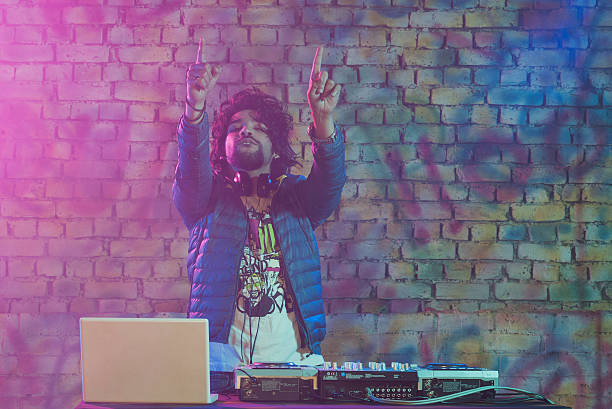
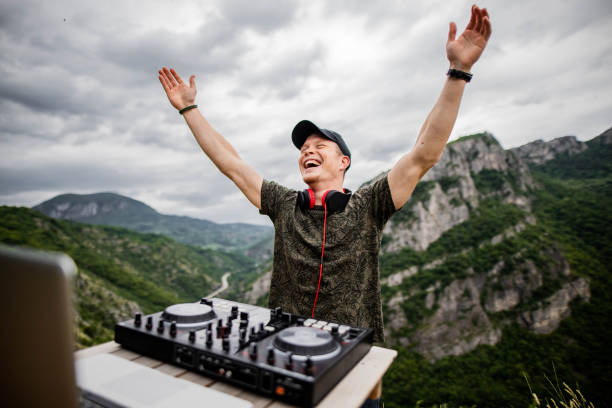
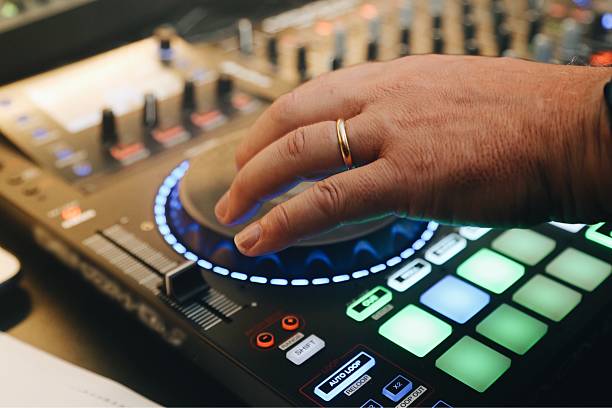
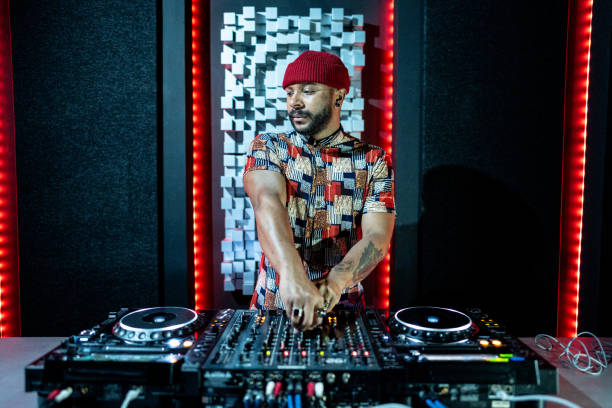
Photos matter more than you think. No grainy phone screenshots from a random Tuesday. Invest in a few shots that capture your aesthetic – a portrait with gear, a candid in a record store, an atmospheric shot of your hands on the mixer. Every image is a pixel in your brand. Add a video clip. Video proves you move, interact, and bring presence in a way stills can’t.
Social proof sells, but curate it. Instead of pasting a wall of Instagram comments, pick one or two short quotes from promoters or punters who’ve actually seen you play. A single line like ’The floor didn’t clear until 4am’ hits harder than every ’best night ever’ you’ve collected. And if you have a video of a crowd losing it during a drop, that’s platinum. Just make sure the video quality is decent and the moment is flattering. Nobody needs to see your friend’s shaky phone footage of you wearing a questionable shirt.
Keep the one-sheet to a single page. Promoters scroll on phones with the attention span of a caffeinated goldfish. Put your name, one-line descriptor, contact info, and key links at the top. Then your story and select visuals. Don’t list every club you’ve played. Pick three or four notable gigs that match the venue you’re targeting. If you’re emailing a techno warehouse, don’t brag about a wedding set.
Update your press kit like you update your phone – regularly, not obsessively. Freshest mixes and biggest gigs go front and center. Every few months, tweak your bio if your style evolves. Before you hit send, do a vibe check. Open your own press kit and imagine you’re a booker with thirty seconds between lighting checks and soundcheck. Does it intrigue you? Make you click that SoundCloud link? If you’re yawning, you’ve failed.
Your press kit isn’t a recap of the past. It’s a teaser for the future. It’s the trailer to a movie called “Your Night at Our Venue.“ Make it short, punchy, and so specifically you that nobody else could copy it. That’s how an EPK becomes an actual yes.