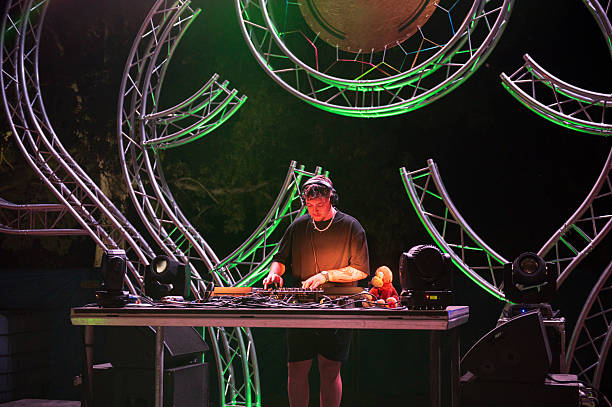
City festivals hit different. Instead of a muddy field and a 40-minute trek to the portaloos, you’re bouncing between warehouses, rooftop terraces, club basements, and pop-up stages while the city hums around you. For DJs, that’s both the magic and the chaos. You might play a 2 p.m. set in a sunlit courtyard, then a 2 a.m. closing slot across town, with a soundcheck squeezed in between. The vibe is electric, but the learning curve is real. If you want to make city festival experiences feel less like a logistical boss fight and more like a main-character era, you’ve got to think beyond your USB stick.
First up: know the geography. Urban festivals often spread across multiple venues, which means your set time is only half the battle. Map out your route, factor in transit, and give yourself way more buffer than you think. A 20-minute walk can become a 45-minute mission when roads are closed and crowds are spilling onto the pavement. Keep your phone charged, screenshot your schedule, and save offline maps. If you’re hauling vinyl, a laptop, or a controller, check whether the venue has stairs, tight doorways, or strict security. Lowkey, the most professional move is arriving early and looking unbothered when everyone else is sprinting.
Sound is another city festival plot twist. Outdoor stages fight with traffic, sirens, and echo; indoor rooms can be boomy or weirdly dead. Use soundcheck to get a feel for the room, not just to test your first transition. Talk to the monitor engineer, ask where the subs are hitting, and trust your ears over the booth hype. Bring earplugs—not because you’re old, but because hearing is your whole career. If the crowd is chatting near the bar, don’t just crank the volume; read the room and adjust your energy. Sometimes a cleaner, tighter mix pulls people in more than a redlined drop.
City festivals are also a networking cheat code. The green room is usually a rotating cast of local promoters, touring DJs, journalists, and scene people who actually want to talk shop. Be chill, be curious, and don’t be the person who only chats when they need something. A quick “that set was sick” or “how’s the room sounding?” goes further than a forced pitch. Carry a small card or have your socials ready, but keep it natural. Some of the best opportunities come from a random conversation while waiting for a slice of pizza.
Crowd flow matters too. In a city festival, people drift in and out constantly. You’re not always playing to a packed room from start to finish, so build sets that can handle ebb and flow. Start with something inviting, then read whether the room wants deep grooves, high-energy edits, or a full-on nostalgia moment. Watch the door, watch the bar, watch the front row. If the floor is empty at the start, don’t panic—sometimes the best sets are slow burns that build by word of mouth. Keep your transitions clean, your levels sensible, and your energy present. People remember how a set felt, not just what tracks you played.
Don’t forget the human stuff. City festivals can be a blur of late nights, early trains, and questionable food choices. Hydrate like it’s your job, eat actual meals, and protect your sleep where you can. If you’re traveling, plan a recovery window before the next set. Mental health matters in this life; a packed schedule doesn’t have to mean running on fumes. Step outside for air, skip the after-after-party if you need to, and remember that your best mixes come from a brain that isn’t completely fried.
Finally, soak it in. City festivals are a snapshot of a scene in motion—locals, tourists, die-hard fans, and curious passersby all crashing into the same sonic universe. Take a walk around the block, catch a random set, taste the local food, and let the city shape your vibe. The best DJs don’t just play the festival; they move through it with curiosity. Pack light, stay flexible, keep your ears open, and let the urban chaos become part of your set. That’s where the real city festival magic lives.