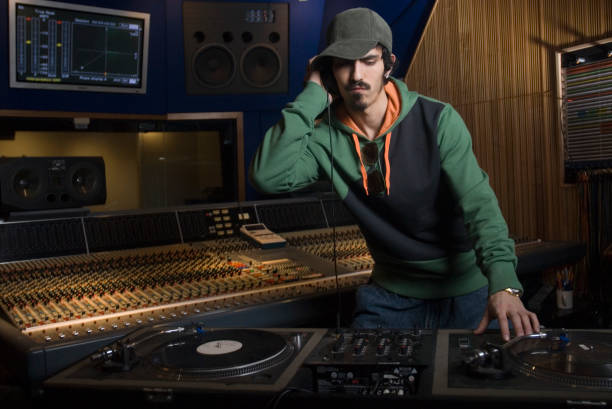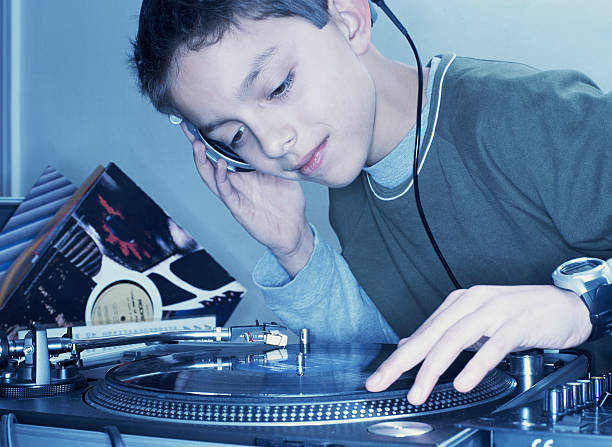
Your ears are the most important piece of DJ gear you own, and unlike your controller, they don’t come with a warranty replacement. Hearing damage is cumulative, sneaky, and permanent. The ringing after a loud set isn’t a badge of honor; it’s your auditory system sending a very direct “bestie, please stop” text. Tinnitus, muffled hearing, and sensitivity to sound can show up long before you notice actual hearing loss, and once those tiny hair cells in your inner ear are cooked, they’re not coming back. So if you want to be the person still digging for tracks and playing clean sets in twenty or thirty years, hearing protection has to be part of your DJ wellness routine, not an afterthought.
DJs get caught out because the job is basically a volume trap. Booth monitors are often cranked, cue levels creep up, and you’re standing near stacks for hours while trying to hear details over a full room. Add travel, afterparties, festivals, and back-to-back sets, and your ears are catching way more noise than you think. The vibe can make it feel weird to turn down or plug in, but rawdogging the decibels is not the flex. You can protect your hearing without killing the energy. The trick is to be intentional about what reaches your ears and for how long, because damage is about both volume and exposure time.
The first move is swapping foam plugs for proper musician’s earplugs. Foam can muffle everything into a mushy low-pass filter, which makes you crank the monitors even more. Musician’s plugs use filters to lower volume more evenly across frequencies, so the kick still hits, the hats still sparkle, and you can actually mix. Universal-fit options are solid for starting out, while custom molds are a serious upgrade if you play often. Look for flat attenuation, a comfortable fit, and a case you’ll actually keep on your keys. Insert them properly, clean them regularly, and replace filters when needed. Earplugs only work if they’re in your ears, not sitting in your bag like a good-luck charm.
Monitoring habits matter just as much. Turn the booth down to the lowest level you can still mix on, and resist the urge to chase that “full club” feeling through your own ears. Use one ear for cueing less often, keep headphone volume reasonable, and take breaks away from the speakers whenever you can. If the venue lets you adjust monitor placement, get them pointed at your head rather than blasting past you. A phone decibel meter isn’t lab-grade, but it can give you a reality check. If you have to shout to talk to someone a meter away, the room is loud, and your ears are taking notes. Small choices like distance from the stacks and shorter bursts of loud cueing add up.
Symptoms are signals, not inconveniences. Ringing, fullness, pain, or a muffled feeling after a set means your ears need recovery. Don’t DJ through it, don’t “push through” a festival weekend, and don’t assume it’ll reset after sleep. Get a baseline hearing test and check in with an audiologist if things feel off. On the road, noise-canceling headphones can help you avoid turning up music on flights, and sleep and hydration support your overall recovery. Your future self wants to hear the drop, the crowd, and the subtle details in a track. Keep earplugs in your bag, keep monitors honest, and protect the instrument you can’t replace.