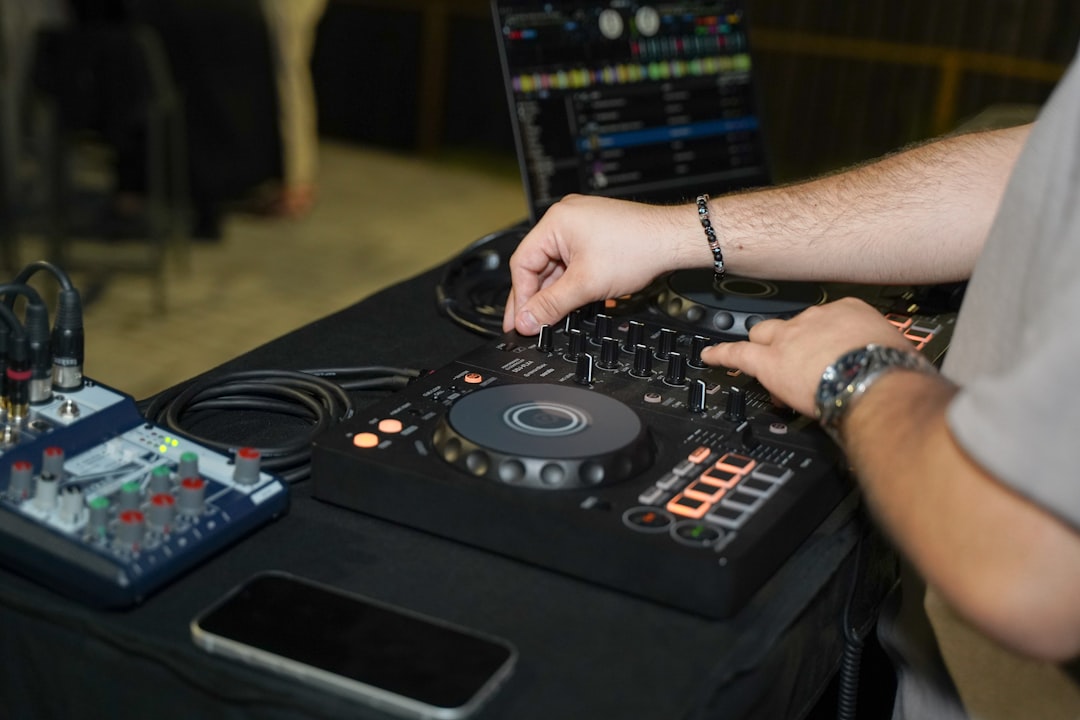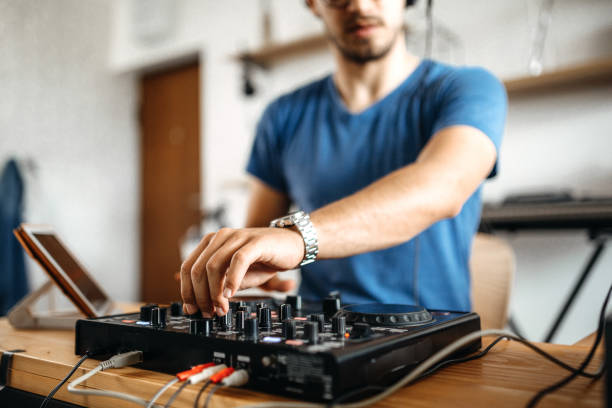
The dancefloor doesn’t care about your perfect beatgrid if your low end is muddy. You can nail every transition and still lose the room because two basslines are fighting like exes in a group chat. That’s where advanced EQ and filtering come in—not as boring technical chores, but as performance tools that shape energy, create tension, and make tracks melt together.
At its core, EQ is about frequency balance. Every track has a personality built from sub-bass, bass, low mids, mids, high mids, and air. When you blend two songs, those personalities can clash. The kick of one record might sit exactly where the vocal of another lives. A DJ who only uses the crossfader is playing Russian roulette with the club system. A DJ who uses EQ is directing traffic.
Start with the low end, because that’s where most damage happens. If both tracks run full bass, the room feels heavy and undefined. The crowd might still dance, but they won’t feel that chest-punch clarity. The classic move is to cut the bass on the incoming track, bring it in over the top, then swap the basslines at the right phrase. You’re not just muting frequencies. You’re creating a handoff. For a few bars, one track owns the sub. Then the other takes over. If the room is packed and the system is tuned well, this feels seamless.
Low mids are the sneaky troublemaker. Around 200 to 500 Hz, things get boxy, muddy, and congested. Vocals can sound like they’re singing through a pillow. A small dip in the low mids on one track can open space for the other. Don’t go wild. A gentle cut is often enough. Think of it like clearing a path, not bulldozing the forest.
Mids and high mids carry energy, attitude, and vocal presence. Cut too much and the track loses life. Boost too much and it becomes harsh and fatiguing. The sweet spot is usually subtraction. Instead of boosting the incoming track, cut a little from the outgoing one. Let the new vocal or lead synth step forward naturally. This is especially useful when mixing acapellas, edits, or tracks with big hooks. The crowd should feel the switch without knowing why it works.
Filtering is EQ’s dramatic cousin. A high-pass filter removes low frequencies and makes a track sound thin, tense, and far away. A low-pass filter removes highs and makes everything sound underwater, muffled, and intimate. DJs use these effects to build tension before a drop, strip a track down during a breakdown, or create a dramatic reveal. A slow high-pass sweep on the incoming track can make the crowd lean in. Then, when you open it up and the bass hits, the release is pure serotonin.
The key with filters is restraint. If every transition is a giant filter sweep, the crowd gets numb. The best DJs use filtering like a spice, not the whole meal. A quick high-pass to clean up a blend. A low-pass to tease a vocal before the beat drops. A resonant filter with a tiny bit of edge to make a build feel alive. Too much resonance and you get that whistling, ear-piercing sound that makes people reach for their drinks. Keep it tasteful.
Advanced EQ and filtering also depend on the room. A small bar with a subpar system reacts differently than a festival rig tuned by pros. Headphones lie. Visual waveforms lie. Your ears in the actual space tell the truth. Walk the floor if you can. Listen near the speakers and in the back. What sounds balanced at the booth might be bass-heavy in the corner or harsh near the bar. Adjust with intention.
The real glow-up is learning to hear frequency space. When you can tell that a track needs less low mid, or that a high-pass filter will make the next drop hit harder, you’re no longer just playing songs. EQ and filtering aren’t about proving you’re technical. They’re about making people lose themselves in the music. Keep the low end clean, carve out room for what matters, and use filters to build moments. The dancefloor will let you know if it works.