Let’s be real for a second. When you picture clubbing in Seoul, your brain probably throws up flashy neon signs, K-pop thumping through massive speakers, and crowds of perfectly curated outfits in Gangnam’s glossy mega-clubs. That’s real. That exists. But if you’re serious about the global clubbing bucket list—like, the kind of list that includes Berghain’s stairwell sweat and Fabric’s wooden floor vibrations—then you need to go deeper. Way deeper. Past the rooftop bars with their overpriced soju and past the line-wrapped venues that smell like hairspray and ambition. You need to find Faust. Specifically, Faust’s Gangnam basement. And yes, it’s exactly as subversive as it sounds.
Faust sits in the heart of Gangnam, which is wild because everything around it screams “high-gloss commercial district.” Restaurants with two-month waitlists. Luxury car dealerships. Seven-story skin clinics. And then there’s this unmarked black doorway that leads down a concrete staircase into a raw, unfinished basement that feels more like a Berlin abandoned factory than a Seoul nightclub. It’s intentional. That rawness is the point. Faust strips away the superficial gloss that dominates so much of Asia’s club circuit and leaves you with nothing but the music, the crowd, and a bass pressure that you feel in your sternum before you even hit the dance floor.
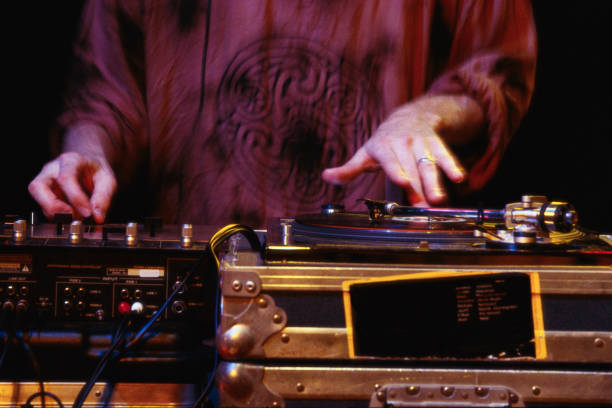
Now, if you’re a traveling DJ or a die-hard club head building out your Essential Asia Circuit Stops, Faust is a mandatory entry. It’s not about bottle service or status. It’s about curation that respects the history of the craft. Faust’s programming leans heavily into techno, experimental, and left-field electronic sounds, with a booking roster that pulls from both Seoul’s underground talent and international heavyweights who fly in specifically for the basement’s unique acoustics. The sound system is a custom rig that’s been tuned for the room’s brutalist concrete geometry—think warm lows and crisp highs that don’t muddy when the kick drum gets relentless. This is the kind of room that makes you understand why some DJs obsess over room dynamics the way winemakers obsess over soil.
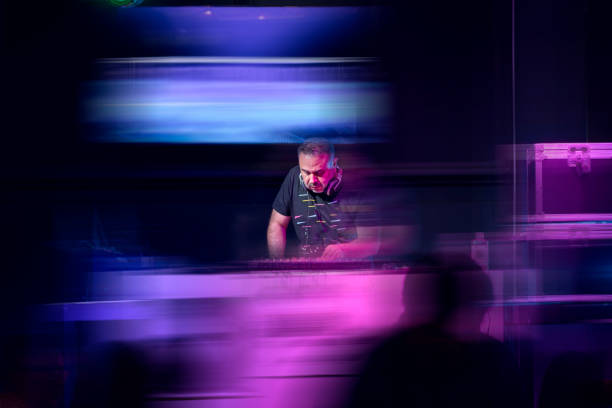
The vibe? It’s dark. Literally. The lighting is sparse, almost theatrical, with occasional strobes and deep red washes that make faces look like ghosts. People aren’t there to pose for Instagram. They’re there to move. You’ll see dancers who look like they’ve been locked in a trance for three hours, bodies swaying in total sync with the groove. It’s the kind of scene that reminds you that clubbing, at its best, is a spiritual practice—a collective surrender to rhythm. That’s something Larry Levan understood at the Paradise Garage, something Frankie Knuckles perfected at the Warehouse, something Wendy Hunt carried forward in Chicago’s underground. Faust’s basement carries that same torch, just with a Korean accent.
What makes Faust even more essential for your bucket list is how it sits within Seoul’s larger nightlife ecology. Korea’s club scene can be gatekeepy and rules-heavy. Some venues enforce strict “no hugging” policies or weird dress codes. Faust throws all that out. The door policy is firm but fair: they’re looking for people who actually want to listen and dance, not people who want to take selfies in the corner. There’s no photo area, no VIP section, no roped-off sanctum for the rich. Everyone stands on the same floor, sweating through the same set. It’s leveling, and that’s rare in a city that sometimes feels built on hierarchy.
Let’s talk about timing. Faust’s basement doesn’t really wake up until after midnight, and the best sets happen between 2 a.m. and the crack of dawn. If you’re coming in jet-lagged from a gig in Tokyo or Bangkok, lean into it. Let the timezone chaos work for you. Grab a convenience store iced coffee at 10 p.m., nap for an hour if you need to, then descend. The walk of shame at sunrise in Gangnam—with the sun streaming past skyscrapers and street cleaners hosing down the sidewalks—is almost as surreal as the night itself.
For DJs, Faust also offers something intangible but crucial: perspective. Spending a night in that basement recalibrates your understanding of what a dance floor can be. It’s not about headliner hype or social media buzz. It’s about the unbroken conversation between a DJ and a room full of strangers who trust each other. That’s the gold standard. That’s the history of the craft. And it’s happening right now, on a basement level in Gangnam, where most tourists never think to look.
So update your Essential Asia Circuit Stops. Add Faust’s basement between the sweaty clubs of Bangkok and the superlounges of Tokyo. And when you finally walk down those unmarked stairs, leave your phone in your pocket. This one’s for your body, not your feed.