Picking your first two tracks matters more than any fancy trick. You want two songs in the same lane, ideally same genre, within about four to eight BPM of each other. House, tech house, disco, or straightforward techno are perfect because the kick drum is predictable. Avoid a pop edit with a weird intro or a breakbeat tune that changes tempo. Grab one track with a long intro and another with a long outro. This gives you space to mess up and recover. Before touching anything, find the first clear downbeat of each track. Set a cue point right there. If your software shows BPM, cool, but don’t trust it blindly. Tap the tempo along with the kick to feel it. Your ears are the real beatgrid.
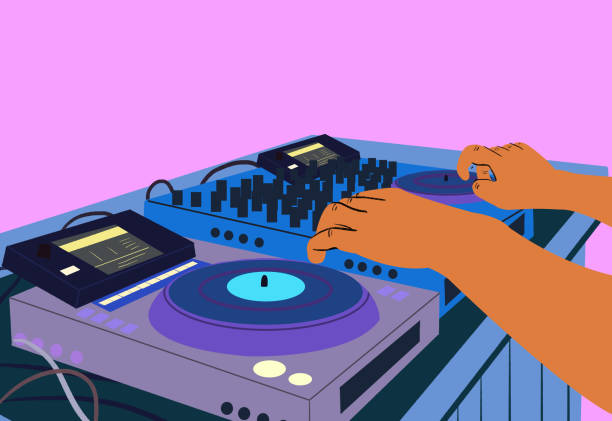
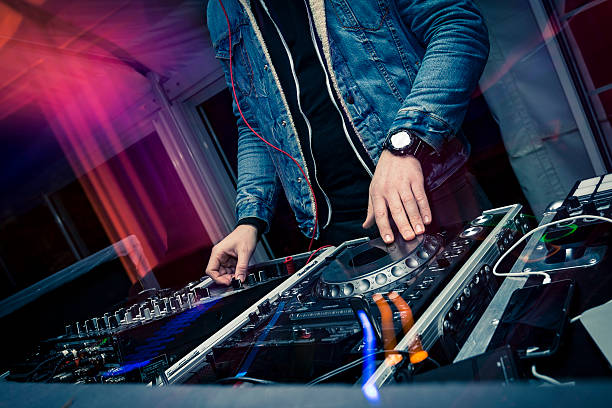
Now load both tracks. Put the first track on deck A and the second on deck B. Set your channel faders down, crossfader in the middle, and master volume at a safe level. Cue up track B in your headphones. Turn the cue mix knob toward cue so you hear only the incoming track. Press play on track A so it’s running through the master. Then press play on track B while track A is playing. In your headphones, you’ll hear track B. The goal is to match its kick to the kick of track A. This is beatmatching, and yes, it feels awkward at first.
Start with the pitch fader. If track B feels faster than track A, slow it down. If it feels slower, speed it up. You’re not trying to nail it perfectly in one move. Get close. Then use the jog wheel to nudge. If track B’s kick lands ahead of track A’s kick, drag the wheel back gently. If it lands behind, push it forward. Think of it like two people clapping. You don’t stop the song. You just adjust the timing until the claps become one sound. When the kicks line up, the thump-flam disappears. Lock in.
Once the beats are close, bring track B’s channel fader up just a little. Keep it low at first. If the kicks are still phasing, you’ll hear a wobbly, underwater pulse. That’s normal. Make tiny pitch adjustments and nudge again. Don’t panic if it drifts. Tracks sometimes drift because of pitch changes or human error. Just keep riding the wheel. For your first mix, keep the blend short. Eight bars is enough. You don’t need a five-minute epic transition.
EQ is your best friend here. Most dance tracks have huge bass, and two basses at once can turn into mud. Before you bring track B in, cut its low EQ all the way down. Let the mids and highs come through. That gives you a clean layer over track A. When you hit a new phrase, usually every sixteen or thirty-two bars, swap the bass. Cut track A’s low EQ and bring track B’s low EQ back to zero. If you do it on the downbeat, it sounds intentional. If you do it randomly, it sounds like a mistake. Count the bars and feel the phrase.
Now fade track A out with a slow channel fader pull. Do it over eight or sixteen bars. If track B is holding the beat, track A can disappear and nobody will cry. If you trainwreck, and you probably will, don’t sweat it. Pull track B’s fader down, reset, and try again. Every DJ has had a disaster blend. The ones who get good are the ones who laugh and reload.
Record your practice sessions. Listen back. You’ll hear exactly where the kicks drifted or where the bass swap landed late. That’s the cheat code. Sync can help you learn phrasing, but try beatmatching by ear first. It makes you a better DJ when the gear glitches or the booth monitor sucks. Keep your tracks simple, your gains matched, and your expectations low. Your first mix doesn’t need to be perfect. It just needs to happen. Once you hear two tracks lock into one groove, you’ll understand why DJing is addictive. You’ll chase that feeling forever.