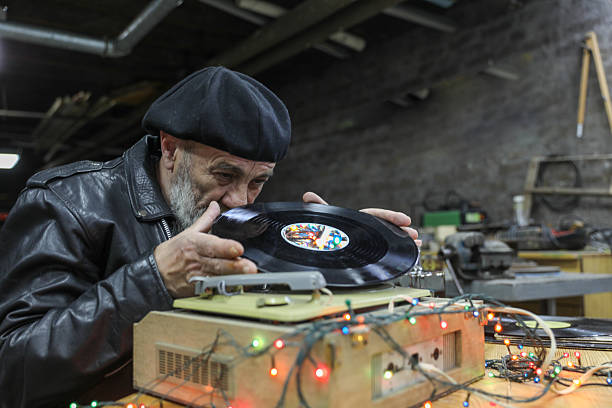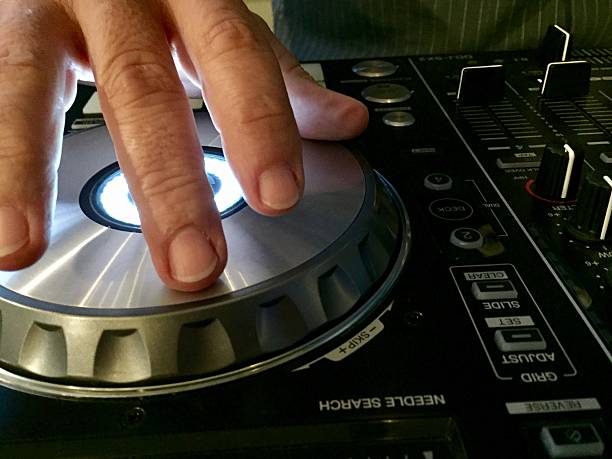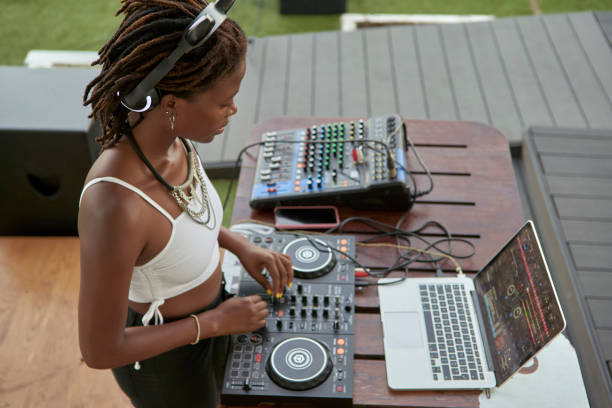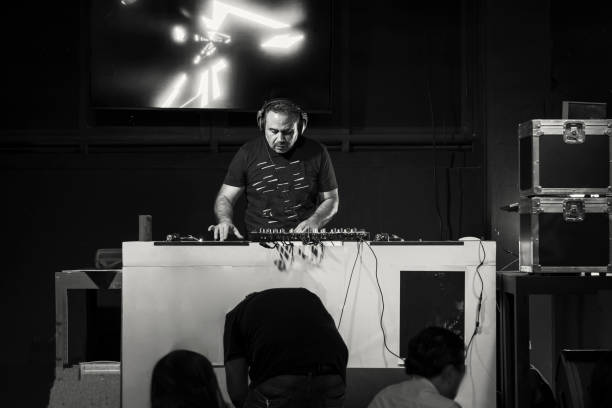
Being a DJ means your peak hours are everyone else’s off-hours. You finish a set at 2 AM, the crowd is buzzing, and your brain is still on fire. But then you need to actually sleep, and your body thinks it’s party time. The struggle is real, but you don’t have to fight your night owl nature. You just have to biohack it, plain and simple. This isn’t about forcing yourself to become a morning person; it’s about becoming a master of your own time zone.
Light is your biggest enemy. Your circadian rhythm runs on light exposure, and club strobes plus phone screens scream “daytime” to your brain. So after your gig, create a personal sunset. Wear blue-light blocking glasses during your final hour onstage or while you pack up. Then dim everything. Switch your phone to night mode and use red-light apps for any scrolling. Red light doesn’t suppress melatonin, so it keeps that sleepy chemical flowing.
Next, build a wind-down ritual. Nobody just crashes after a banger and drops into REM sleep. Your nervous system needs a buffer. Spend twenty minutes doing something calm — a guided sleep story, gentle stretching, or jotting down the million thoughts racing through your head. You’re basically giving yourself a set of downtempo tracks to transition from high energy to low. Find a routine that works for you and repeat it every single post-gig night.
Also, watch what you’re consuming in the final hours of your gig. Caffeine has a half-life of around five hours, so that double espresso you grabbed before your set might still be kicking when you’re trying to wind down. Switch to water or an electrolyte drink after midnight. Alcohol might make you drowsy initially, but it wrecks your REM cycles and leaves you dehydrated. If you want quality sleep, treat your post-gig beverages like a B-side — only the good stuff.
Napping is not a weakness; it’s part of the job. A 20-to-30 minute power nap can recharge you without making you feel worse. If you nap longer, you’ll hit sleep inertia — that groggy, confused state like you tried to beatmatch while out of phase. For a full recovery nap, aim for 90 minutes to complete a whole sleep cycle. Set an alarm for exactly that, and you’ll wake up feeling like you just loaded a fresh beat library.
Here’s a game-changer: align your sleep schedule to your gig schedule, not to the sun. If you’re regularly playing until 3 AM, then your midnight is 4 AM. Sleep at 6 AM, wake at 2 PM, and run your day like any normal day — just shifted. Consistency is what matters. Don’t try to flip back to a “normal” schedule on your days off. Catch-up sleep on Monday ruins your internal clock and makes Tuesday night’s gig torture. Pick a sleep window and stick to it religiously. Social jetlag is that nasty feeling when your internal clock is out of sync with your external world. For DJs, it hits hardest on those random afternoon gigs or daytime events. Try to keep your sleep window within a two-hour range even when you have an early booking. If you must wake up early, get some bright light exposure in the first hour to tell your brain it’s go time.
Finally, make your bedroom a blackout bunker. Invest in blackout curtains or a sleep mask. Cover every LED on your chargers and laptop. Keep the room cool — 65 degrees Fahrenheit is ideal for deep sleep. And drown out the sounds of a waking world with white noise or a fan. You’re not just sleeping; you’re creating a sacred space where daylight doesn’t exist.
The bottom line? You don’t have to be a sleep-deprived zombie to be a successful DJ. Your body can adapt to any rhythm if you give it consistency, darkness, and a solid routine. Respect your rest like you respect your record collection, and you’ll show up to every gig sharp, refreshed, and ready to spin. So wear that eye mask with pride, treat your alarm like a snare hit, and own the hours everyone else fears. That’s how night owls survive — and thrive.