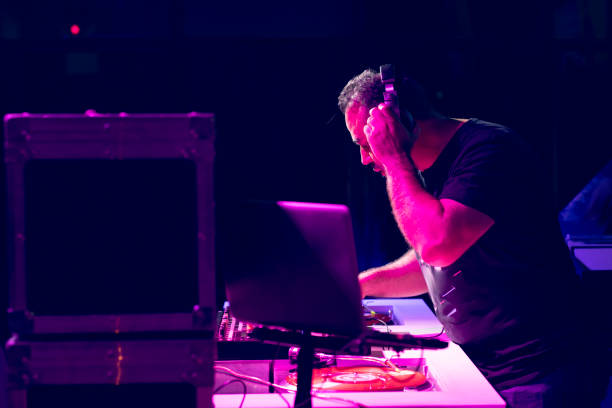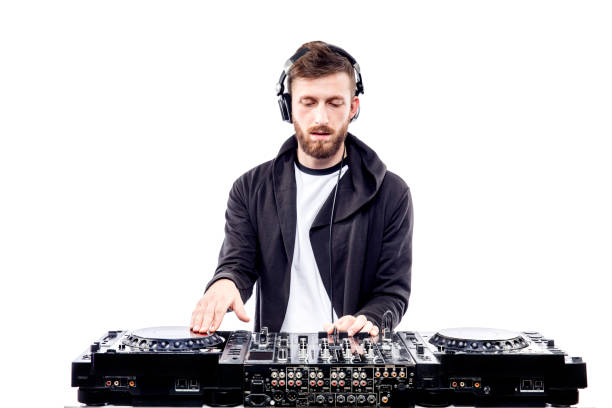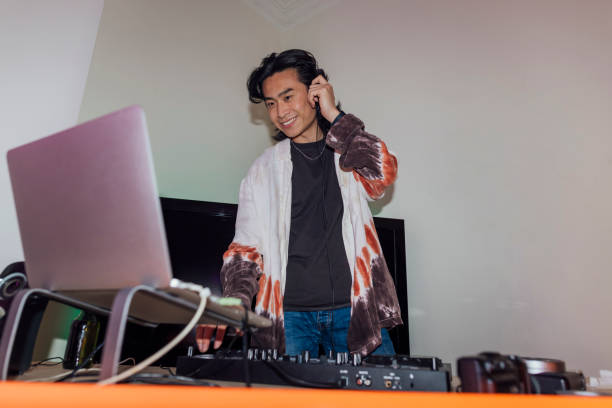
Your visual aesthetic is the vibe people clock before they hear a single transition. It’s the flyer that makes them stop scrolling, the cover art that signals “this is gonna be a mood,” the fit you post in, the stage setup, the font on your SoundCloud. For DJs, it’s not about being “good at graphic design” or having a huge budget. It’s about building a recognizable world around your sound so fans can feel your brand even on mute.
Start with a moodboard that’s actually honest. Not just a Pinterest board of pretty club photos. Pull references from music, film, fashion, architecture, old rave flyers, family photos, album covers, graffiti, nature, whatever makes you feel something. Then look for repeats. Maybe you keep saving grainy black-and-white portraits and chrome typography. Maybe it’s acid green, low-res textures, and early 2000s flip phones. That repetition is your clue. Your aesthetic should be specific enough to remember but flexible enough to grow. If your moodboard looks like every other techno DJ’s, go weirder or more personal. The best visual brands have a little “wait, what?” energy.
Next, define a small visual toolkit: color palette, type style, image treatment, and logo or mark. Keep it simple. Two to four core colors. One or two fonts max, unless you’re deliberately doing chaotic collage. A logo doesn’t have to be a complex illustration; a strong wordmark or symbol can do more work. Think about how it looks tiny on a phone screen and huge on a club poster. The real test is whether someone can see a flyer for three seconds and know it’s you. That doesn’t mean every post must be identical. It means your visual choices should feel like they come from the same universe. A useful trick is to mock up your logo on a tiny Instagram story sticker, a dark club wall, and a merch tag before you commit; if it survives all three, it’s probably solid.
Photography and content are where your aesthetic gets a pulse. Choose a shooting style that fits your energy: flash-heavy and candid, cinematic and moody, crisp and minimal, distorted and DIY. Be consistent with editing, but don’t filter yourself into oblivion. Fans connect with faces, hands, crowds, gear, and movement. Show the human behind the decks, not just an endless grid of press shots. If you’re a traveling DJ, capture airports, hotel rooms, soundchecks, meals, and the weird little in-between moments. Those are branding gold because they make your world feel real. Your visual aesthetic isn’t just “cool”; it’s a story people want to step into. Batch-edit a few signature presets so your feed feels cohesive, but keep the raw moments raw enough to avoid looking like an ad.
Your wardrobe and stage presence are part of the same language. You don’t need a costume, but a signature detail helps: a specific silhouette, a color you always return to, bold glasses, a chain, a cap, clean tailoring, or full rave chaos. The key is intention. If your sound is dark and hypnotic, maybe your visuals lean shadowy and stripped back. If your sets are high-energy and playful, your aesthetic can be brighter, louder, and more cartoonish. Contrast can also be powerful. A minimal DJ with one wild accessory can be more memorable than ten outfits fighting for attention.
Then apply the aesthetic everywhere without overdoing it. Your social grid, event flyers, Spotify canvases, press kit, merch, website, and stage setup should feel related. Not copy-pasted, but cousins. Use templates for speed, then customize so nothing looks generic. Keep a shared folder of approved colors, fonts, photos, and logos so you’re not reinventing your brand at 2 a.m. before a gig.
Finally, let your visual aesthetic evolve. Your first look is a starting point, not a life sentence. As your sound grows, your references shift, and your audience changes, your visuals should stretch with you. Keep the core feeling and update the surface. The goal is recognition, not rigidity. When someone sees a poster, a clip, or a fit and thinks “that’s so them,” you’ve done it. That’s when your visual aesthetic stops being decoration and starts being part of your DJ brand.