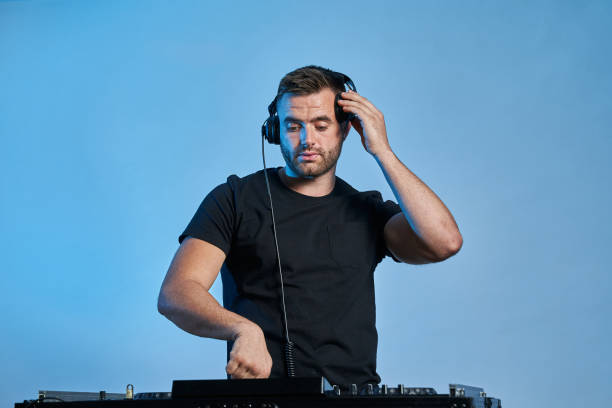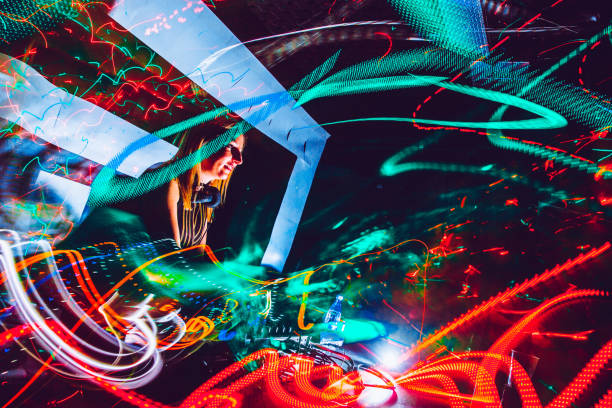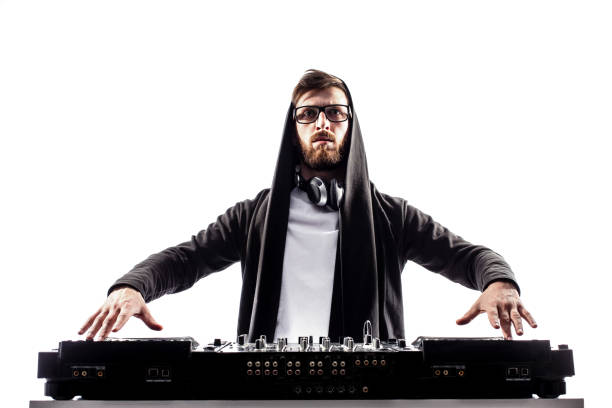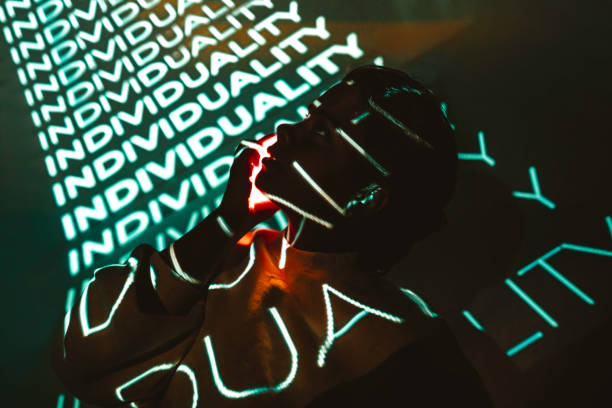
Your visual aesthetic is the first drop before the first drop. It’s the flyer someone screenshots, the profile pic that makes them click follow, the stage setup that tells the room whether they’re about to get deep, dark, glittery, chaotic, or smooth. If your sound is the frequency, your visuals are the signal. They say, “I’m the DJ who plays warm soulful house at sunset” or “I’m the one who’ll push hard techno until 4 a.m. and leave you emotionally changed.” Without that signal, you’re just another name on a lineup. With it, you become a whole vibe people want to be part of.
Start with your sonic identity, because aesthetics built on nothing but trends feel hollow. Write down three words that describe your sets. Not “good” or “energetic,” but specific: sweaty basement euphoria, airy sunset romance, chrome-plated adrenaline, velvet after-hours. Now translate those words into textures, colors, lighting, and type. Sweaty basement euphoria might mean red gels, flash photography, grainy disposables, and bold condensed fonts. Airy sunset romance might mean pastel gradients, soft focus, minimal sans serif, and film-like warmth. Make a moodboard. Save thirty images that feel right, then look for repeats. The patterns are your direction.
Once you see the patterns, lock a small palette. Three to five colors max, with hex codes, so every edit, flyer, and merch drop stays cohesive. Choose two fonts, one for headlines and one for body text, and stick with them long enough for people to recognize your posts before they read your name. Your logo should work tiny in a story post and huge on an LED screen. Simple beats complicated almost every time. If design isn’t your thing, use Canva, Figma, or hire a young designer whose portfolio matches your mood. Your face can be your logo if you’re a personality DJ, but even then, decide how you want to be photographed: high contrast, black and white, direct flash, motion blur.
Your social feed is your portfolio. Shoot more than you post. Mix portraits, crowd reactions, gear close-ups, venue architecture, and travel moments. Reels should feel like you: hands on the decks, vinyl spinning, a packed floor losing it, the walk into the club. Use text overlays in your chosen font, and make thumbnails that still look like your brand when they’re tiny. Don’t just post flyers. Show the human behind the mixer. Memes are fine if they match your tone, but keep a rough ratio of vibe, info, and chaos. The algorithm loves consistency, but real people love personality.
Your visual aesthetic also exists IRL. Outfit-wise, dress like an elevated version of yourself. All black with one statement piece, ravewear with utility straps, tailored separates, vintage sportswear, whatever fits your sound and body. Prioritize comfort, sweat, and movement. For stage design, bring small touches: a banner, LED bars, a disco ball, a table cloth, incense, or a neon sign. Coordinate with promoters about lighting colors that flatter you. If the venue clashes with your usual look, adapt without abandoning your core. Merch should match too. Tees, caps, and totes in your palette with your logo will make your brand feel real.
Consistency doesn’t mean being trapped. Think in eras. Your first era might be lo-fi bedroom mixes and grainy photos. Your next could be international club shows with sharper visuals. Keep one or two core elements, like your typeface or a recurring color, so people can trace the evolution. Audit your socials monthly. Do a grid test. Ask friends what three words they’d use to describe your look. If their words don’t match your intention, adjust. Steal inspiration, never identity. Your story is the differentiator: your city, your community, your weird obsessions, the records nobody else plays.
Build a mini brand kit and save it in the cloud: logo files, color hexes, fonts, ten edited photos, three video clips, a short bio, and a press shot. Then use those assets everywhere. This makes you look professional even when you’re just starting. It doesn’t require big money. A phone, free editing apps, thrift finds, and good lighting can go far. The goal is recognition. When someone sees a flyer without your name, they should already feel your presence.
Your visual aesthetic is the handshake before the hug of your set. It builds trust, curiosity, and memory. Define it clearly, refine it often, but don’t let it box you in. Let the music lead, and let the visuals amplify the story only you can tell.