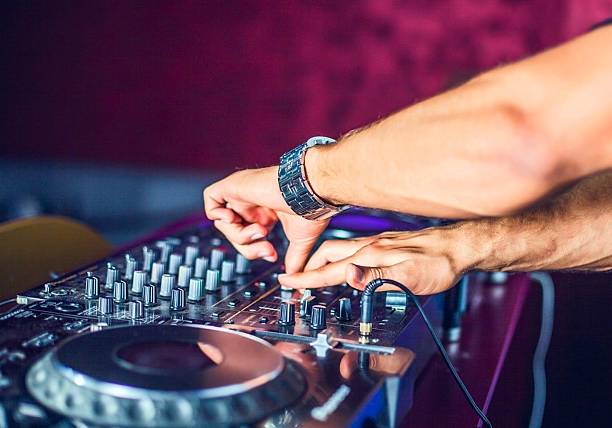
You finally got the text. The promoter you’ve been sliding into DMs for months tells you you’re on for the opening slot. Opening for a headliner with thousands of followers, a rider with actual snacks, and a rider that doesn’t include “hopes and dreams.” You say yes before your brain catches up. Then the panic sets in. Not because you can’t mix—you can. But because the room will be empty when you start, half the crowd won’t care until the last fifteen minutes of your set, and somewhere in the back, a promoter is checking their phone while you’re trying to build tension with a techno break. This is what we call Local Support Slot Pressure, and if you’re a DJ trying to climb the ladder, it’s almost a rite of passage. But it’s also a trap if you don’t understand the unspoken rules of the game.
In the world of event and gig terms, the local support slot is the warm-up act. You’re the appetizer before the main course, the opening band that nobody bought tickets for, the DJ whose name is in tiny font on the flyer. The pressure hits from two directions at once. First, you want to prove yourself to the headliner’s camp, the booking agent, and the crowd that might actually arrive early. Second, you feel the weight of “if I blow this, I’ll never get booked again.” Spoiler alert: most opening slots are not career-defining moments. They are auditions, but not in the way you think. The headliner doesn’t care if you drop a banger at 10:02 PM. They care if you clear the floor or pack it. They care if you play too hard too fast and leave them no room to build. They care if you treat their set like a competition instead of a conversation.
The biggest mistake new DJs make when they land a local support slot is trying to steal the show. You want to drop that unreleased edit you spent three weeks producing. You want to hit the crowd with a bootleg remix that goes viral on TikTok. But the headliner booked that slot because they need a cool-down or a ramp-up, depending on the night. If you play everything you’ve got in the first thirty minutes, you’ve not only burned through your best material—you’ve also shown the room that you don’t understand flow. That’s the real Local Support Slot Pressure: the pressure to hold back without looking like you’re holding back. It’s a tightrope walk between energy and restraint. You want to warm the room up, not melt the face off. You want to hint at the night’s direction without giving away the destination. That takes listening, not just technical skill.
Another layer of this pressure is the social dynamic. You’re the local, so you’re supposed to represent the city. If you’re playing in your hometown, the crowd might know you from open decks or that basement party last summer. But the headliner’s audience might not care. They’re there for the name on the top line. That split identity can mess with your head. Are you the hometown hero or the anonymous warm-up? The answer is both, and you have to be okay with that. The most successful local support DJs I know treat the slot like a secret handshake. They play music that fits the vibe but leaves the headliner room to take it somewhere else. They don’t overthink track selection, they don’t stare at the booth with desperate energy, and they definitely don’t post Instagram stories of the empty dance floor at 9:47 PM. They trust that the people who matter—the bookers, the agents, the headliner’s tour manager—are watching your energy, not your tracklist.
One underrated trick that helps with Local Support Slot Pressure is reframing the gig entirely. You’re not opening for someone famous. You’re curating the first chapter of a story. The headliner writes the climax, but you set the tone. That means you don’t have to prove you’re the next headliner in forty-five minutes. You just have to prove you understand the room’s temperature and can guide it gently. That’s a rare skill. Plenty of DJs can smash a peak-time set. Few can ease a crowd into the night without making them check their Uber ETA. If you master that, you’ll get called back not just to open, but to fill those late-night slots where the crowd is already locked in and the headliner trusts you.
So when you’re standing behind the decks, three people near the front, and the headliner hasn’t even arrived yet, remember this: the pressure is an illusion. Nobody expects you to save the night. They expect you to start it. Play for the room that’s there, not the room you wish was there. Keep the energy low enough that the headliner can build. And when your set ends, step away like you’re satisfied, not desperate. That’s how you speak the language. That’s how you turn local support into career support.