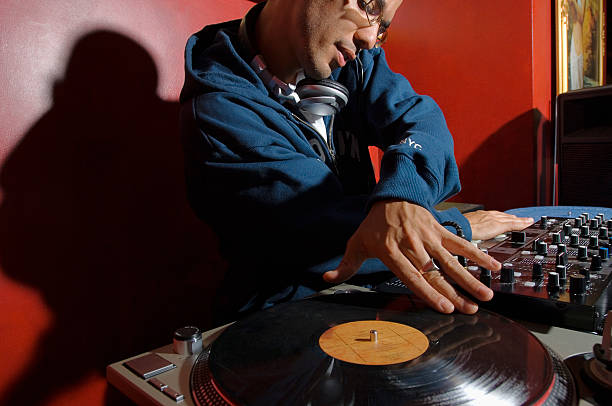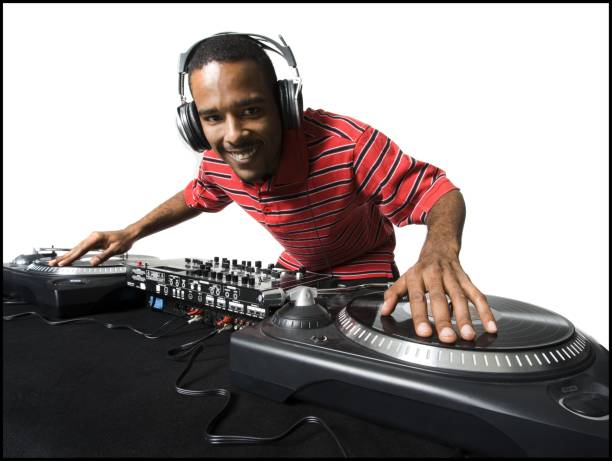
You’re behind the decks, two tracks are lining up, and the crowd is starting to bob their heads. You reach for a knob, and suddenly everyone turns to see if you just broke the vibe. Did you just apply a modern filter, or did you drop a disco edit? Here’s the thing—if you don’t know the difference, you’re not just guessing; you’re missing half the conversation that’s been happening in DJ booths for over forty years. Welcome to the world of genre micro definitions, where the line between a classic re-edit and a production trick can make or break your set’s personality.
Disco edits are the ghosts of the 1970s club scene, and they never really left. Imagine you’re a DJ in a sweaty New York loft back in ’78, and you’ve got a twelve-inch single that’s four minutes long but the dancers are begging for eight more. You don’t have Ableton or a laptop—you’ve got a razor blade, tape, and a reel-to-reel. You physically cut the intro, extend the bridge, loop the percussion break, and splice it back together. That’s a disco edit. It’s handmade, analog, and built for the floor. Think Larry Levan slicing up “I Feel Love” at the Paradise Garage or Frankie Knuckles rearranging “Your Love” until it became a Chicago house anthem. These edits weren’t about adding effects; they were about restructuring the song’s skeleton to serve the dancer’s journey. The goal was tension, release, and that moment when the bass drops back in after a four-bar break. Disco edits breathe. They have imperfections—a slight tape hiss, a beat that drifts for a split second—and that’s exactly why they hit harder. They feel alive, like a live conversation between the DJ and the record.
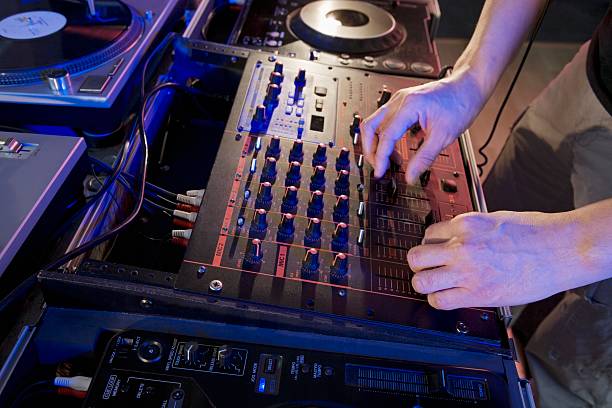
Now, fast forward to the modern filter. You’re playing a digital track on a CDJ or a controller, and you twist a resonant high-pass filter knob. Suddenly, the kick drum vanishes, the hi-hats thin out, and the room goes hushed for a second before you bring it back with a dramatic swell. That’s a modern filter—a tool that shapes the frequency spectrum in real time, often using a low-pass or band-pass circuit built into your mixer or software. It’s not an edit; it’s a performance effect. Modern filtering comes from the house and techno scene, popularized by producers like Derrick May and later perfected by DJs using Pioneer DJM mixers. The difference is that a filter doesn’t change the arrangement of the track. It doesn’t add a new bassline or extend a break. It’s a momentary color shift, like putting a pair of tinted sunglasses on a song. You can use it to transition between tracks, build tension before a drop, or strip a track down to just its vocal. But here’s the catch: overusing filters makes your set sound like a cheap trance mix from 2010. A little goes a long way, and the pros know that a filter should serve the mix, not steal the spotlight.
So where do these two concepts collide? Imagine you’re mixing a classic disco track like “Love Is the Message” by MFSB. You could slap a low-pass filter on the intro and call it a day, but that’s just surface-level. A true disco edit would take the original’s breakdown, loop the guitar riff, add a handclap from another record, and extend the piano solo for two extra minutes. That’s the difference between applying a filter to a song and actually editing the song. Modern filters are about instant manipulation in the moment—your finger on the knob, the crowd watching you work. Disco edits are about pre-production, spending hours in the studio or at home to craft a version of the track that tells a longer story. Both are valid, but they belong to different parts of the DJ’s toolkit.
If you’re just starting out, you might be tempted to rely on filters because they’re easy. They give you instant drama without needing to know the track’s structure. But the best DJs—the ones who speak the language—understand that a well-executed edit is a deeper, more intentional move. It shows you’ve studied the music, that you care about the arrangement, that you’re not just playing songs but curating a journey. When you hear a DJ drop a rare disco edit that nobody else has, the crowd doesn’t just nod—they move. That’s power. Meanwhile, a filter is a spice, not the main course. Use it to enhance a transition or to create a moment of musical tension, but don’t let it become your crutch.
In the end, both disco edits and modern filters are about the same thing: controlling the room’s energy. One is a craft you build before you step into the booth; the other is a reflex you develop during the mix. Learn both, and you’ll never be the DJ who just plays tracks. You’ll be the DJ who speaks the language that every dancer understands—the language of the edit, the filter, and the soul behind it.