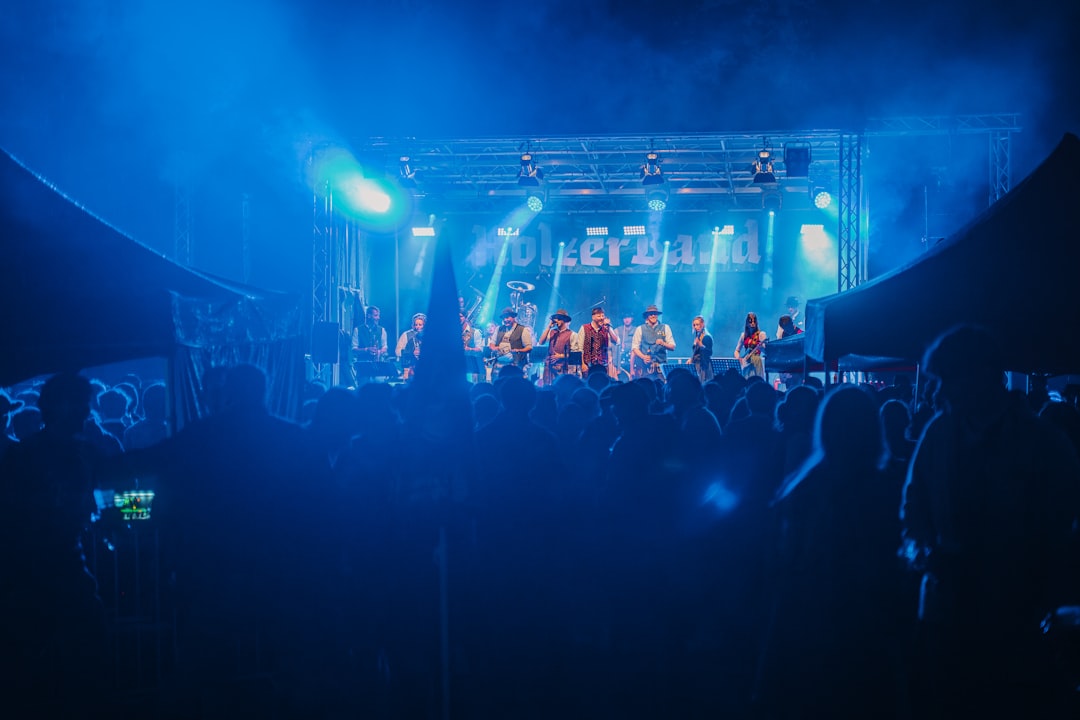
The mega festival stage is a different beast. In a club, you can see faces, feel the sweat on the ceiling, and adjust in real time. At Tomorrowland, EDC Las Vegas, Ultra Miami, or Creamfields, you’re staring into a sea of thousands, sometimes in daylight, sometimes with pyro heat hitting your face. The vibe check is instant and brutal. You can’t fake it. The crowd might be 50,000 deep, and they all came with main character energy. Your job is not to play your favorite tracks. Your job is to conduct a temporary city of ravers.
Start with reading the room before you even touch the CDJs. What slot are you? Opening? Sunset? Peak time? Closing? The same set that destroys at 2 a.m. will die at 4 p.m. if you go full send. Sunset sets want emotion, melody, maybe a little nostalgia. Peak time wants tension, release, and drops that hit like a 2 a.m. text from your ex. Closing wants a journey, not just bangers. The mega stage has pockets: rail riders who know every ID, VIP folks taking selfies, back-field groups just vibing, and people camping for the headliner. You can’t please everyone, so pick a lane and own it.
Track selection is everything, but so is pacing. Don’t burn your best three tracks in the first ten minutes. Build a story. Use hot cues and loops to extend the intro if you need to reset. Phrase your mixes in 16 or 32 bars so the crowd’s body can predict the drop. When the energy dips, don’t panic. Drop an acapella, a familiar vocal, or a wonky edit. When the crowd goes feral, let the track breathe. Over-FXing is the fastest way to make a massive system sound like a mess. The mega stage is already loud. Your job is clarity, not chaos.
Mega festival crowds have a shorter attention span than club crowds. You have maybe 30 seconds to earn their trust. That’s why front-loading a recognizable vocal or a punchy groove can buy you time. Once they’re locked in, you can take them somewhere weird. That’s the sweet spot: familiar enough to feel safe, fresh enough to feel like a discovery. If you’re playing an ID, pair it with a hook they already know. If you’re playing a classic, flip it with a new edit. The mega stage rewards bold curation, not endless beatmatching. Also, don’t ignore the sides and back. The front rail is not the whole crowd. Turn your body, make eye contact, and project energy past the first 20 rows. The people at the back paid too.
The production is a co-DJ. Pyro, CO2, confetti, LED walls, drones. If you can sync your drop with a pyro cue, do it. If you can’t, don’t force it. Sometimes the fireworks go off at the wrong time. Roll with it. The crowd will remember the moment, not the perfect beatmatch. That said, don’t trainwreck. Beatmatching is still fundamental, even with sync. Know your gain staging. Festivals systems are unforgiving. Redlining sounds trash. Cut the mud, let the sub breathe, and keep your booth monitors or IEMs honest.
Mega festival stage vibes are also about etiquette. Don’t play the headliner’s anthem right before they go on. Don’t drop unreleased tracks you weren’t cleared to play. Don’t talk on the mic every 30 seconds. A short “make some noise” is fine. A TED Talk is not. Watch the crowd’s phones: if they’re filming, you’re doing something right. If they’re leaving, change the energy. If they’re crying, you just unlocked a core memory. That’s the gig.
Finally, protect your peace. Mega festivals are marathons. Hydrate, wear earplugs, sleep when you can, and don’t let the pressure turn you into a robot. The best main stage sets feel human. They have mistakes, risks, and moments that weren’t on the USB. So prep your rekordbox, know your key and BPM, have backups, and then trust your gut. The mega stage is not the place to play safe. It’s the place to make 50,000 people feel like they’re in the same group chat. Understood the assignment? Good. Now go read the crowd.