So you’re a traveling DJ, producer, or just someone who needs to crank out beats at 35,000 feet. The dream is real: you’re wrapping up a killer set in Berlin, hopping a red-eye to Tokyo, and you want to finish that bassline before you even hit the tarmac. But here’s the thing—airplane cabins are sonic nightmares. The hum of engines, the chatter of passengers, the dreaded baby chorus at row 27. If you’re serious about portable production setups, noise cancelling isn’t a luxury; it’s your studio’s survival kit. Let’s get into the gear that lets you stay in the zone, no matter how loud the cabin gets.
First up, the headphones. You’ve probably heard the usual suspects: Sony’s WH-1000XM5s or the AirPods Max. They’re great for casual listening, but for production, you need something with latency low enough that your beat matching doesn’t feel like a laggy video game. Enter the Beyerdynamic DT 700 Pro X. These bad boys are closed-back, which means they physically block a ton of ambient noise before the electronics even kick in. They’re wired, yes, but that’s a feature, not a bug—no Bluetooth dropout when you’re in the middle of a crucial EQ adjustment. Pair them with a portable DAC like the AudioQuest DragonFly Cobalt, and you’ve got studio-grade monitoring that makes the cabin roar almost disappear. The passive isolation is so good you might forget you’re on a plane at all.
But what if you need wireless? The Bose QuietComfort Ultra are the gold standard for active noise cancellation on the go. The trick here is to use them with a low-latency Bluetooth codec like aptX Adaptive. Your interface or laptop needs to support it—think the Rode Wireless PRO or a modern MacBook. The QC Ultra’s sensation of silence is almost eerie; the engine drone melts away, leaving you only with your kick drum and snare. Just remember to turn off the transparency mode unless you want to hear the flight attendant’s snack announcement in crystal clarity. Pro tip: Download your entire project file offline before boarding. The airline Wi-Fi is not your friend when you’re trying to update a plugin.
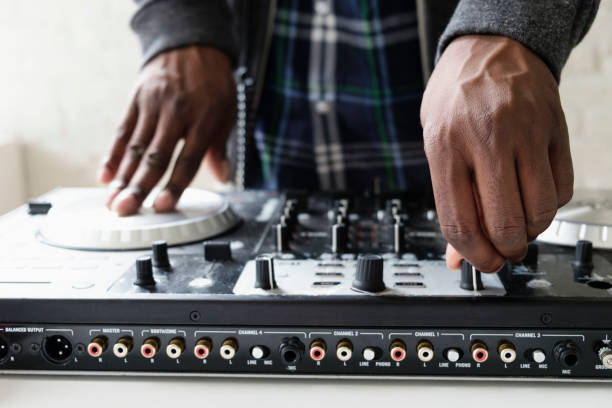
Now, let’s talk about the actual production gear. Portable setups are all about minimal footprint, so your “studio” might be a laptop, a controller, and a power bank. But noise cancelling extends beyond your ears. Consider the sound you’re producing. If you’re using a compact controller like the Pioneer DDJ-FLX4 or a Maschine Mikro, the keys and pads can be loud enough to annoy your seatmate—and worse, they can contaminate your headphone mix. That’s where a little travel-friendly isolation shield comes in. Products like the IsoAcoustics ISO-L8R stand are overkill for a plane tray table, but a simple silicone mat from a brand like Arturia or a folded towel can dampen the vibrations. It’s not glamorous, but it keeps your cueing clean and your neighbors sane.
Here’s the dark side: active noise cancelling for production isn’t perfect. Most consumer ANC headphones introduce a subtle pressure sensation that can mess with your perception of low frequencies—your sub-bass might sound fine on the plane, but back in the club, it’s a mudslide. That’s why you want headphones with a flat-ish frequency response and adjustable EQ. Apps like SoundID or Sonarworks can calibrate your cans on the fly, compensating for the cabin’s weird acoustics. Also, never rely solely on ANC for mastering. The plane’s air pressure changes the way you hear transients. Use your cancellation gear for arrangement and mixing, but leave final polish for a proper studio.
Don’t forget the elephant in the cabin: your laptop’s fan. On a long flight, that thing can sound like a jet engine itself. A portable laptop stand like the Rain Design mStand or a simple collapsible riser not only helps with airflow but also reduces the noise that bleeds into your headphones. Combine that with a good pair of IEMs (in-ear monitors) like the Shure SE215—they offer passive isolation that’s rival to many over-ear ANC sets—and you’ve got a silent, personal bubble. IEMs are also easier to pack and less likely to get crushed in your carry-on.
Finally, the mindset. Noise cancelling gear is a tool, not a magic wand. The best equipment in the world won’t save you if your workflow isn’t optimized for confined spaces. Keep your files organized, use a template that loads fast, and resist the urge to tweak every single plugin. The goal is to capture ideas, not perfect them. You’re a traveling DJ-producer, not a flight-deck engineer. So gear up, block the noise, and let the beats flow. The world is your booth—even at 40,000 feet.