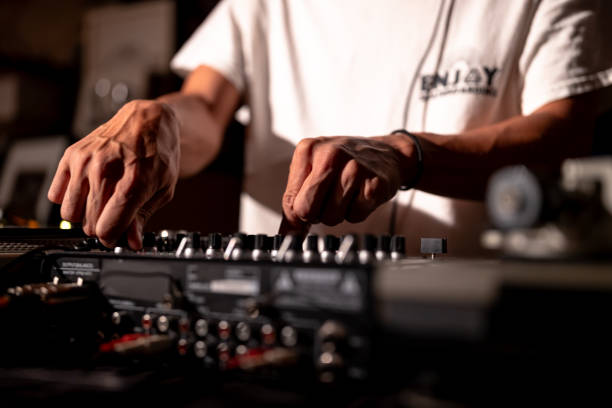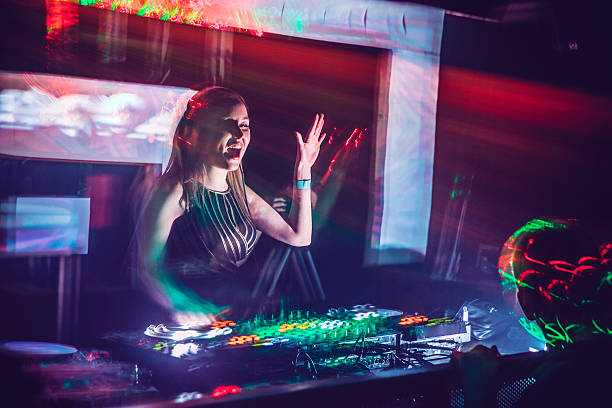
So you’ve got your USB sticks packed with bangers, your headphones slung low, and you’re ready to take over the booth. But here’s the real talk: the best sets are never scripted. They’re shaped in the moment. The moment you touch those decks, your carefully curated playlist turns into a suggestion, not a rule. What actually matters is your ability to read the room — to feel the pulse of the bodies on the floor and react instantly. That’s the core vibe check that separates a true DJ from a mere track selector.
Reading the room isn’t some mystical superpower. It’s just paying attention. When you walk into a club, take a beat before you even look at the mixer. Look around. Is everyone packed near the stage, arms raised, mouths moving with the drop? Or are they scattered, phones out, doing that laid-back head bob? Are the regulars deep in the pocket, or are the tourists just here for the aesthetic? The vibe is like a text message that rewrites itself every few minutes. If you’re not constantly refreshing your understanding, you’ll lose them.
The mechanics are simple to understand but tough to execute. Watch for the physical tells. Heads bobbing on the offbeat, eyes closed, hands floating in the air — that’s a locked-in room. Feed them exactly what they’re dancing to. But if you spot confused looks, people checking their phones more than the floor, or that dreaded “what is this” side-eye, you need to adjust. Maybe you jumped genres too fast. Maybe the tempo needs to climb or drop. Maybe that track you love is just not the track they need right now. Your job is to be flexible, not stubborn. Know your records so deeply that you can pivot without panicking or showing your cards.
You also have to read the night’s bigger arc. A room at 10pm is not the same room at 2am. Earlier, people are settling in, chatting, finding their feet. You can lay down deeper grooves, smoother textures, let them ease into the space. As midnight creeps in, the energy builds — that’s when you read when to push harder, when to tease a familiar vocal, when to drop the heavy tool that flips the switch. And the closing hour? Completely different vibe. You’re looking for a communal sigh, a warm slow-down, a sense of satisfied release. If you treat every hour like a peak-time banger fest, you’re ignoring the room’s natural rhythm.
The legends lived this reality. Larry Levan at the Paradise Garage wasn’t just playing records; he was having a full conversation with the dancefloor. He’d throw out a wild dub, watch how it landed, and yank it immediately if it didn’t resonate. Frankie Knuckles at the Warehouse did the same — reading the sweat on the walls, the glance between two strangers, the collective shift in posture. These pioneers didn’t have algorithms suggesting the next track. They had instincts forged by relentless attention. They remain the gold standard. That’s the exact muscle you’re building every time you step into the booth. It’s not about showing off your crate. It’s about serving the moment.
Here’s the hard part: your ego has to sit this one out. You might be obsessed with that gorgeous transition into a rare edit you spent hours finding. But the dancefloor doesn’t care about your edits. They care about feeling. If the room isn’t moving, you’ve missed the point. The great DJs are chameleons, not dictators. They shape their energy to fit the space instead of forcing the space to fit them. That is the ultimate vibe check — asking “What does this room need right now?“ and then having the courage to answer without attachment to your own expectations.
So walk into your next gig with a plan, yes. But hold that plan loosely. Let the room rewrite it. Watch, listen, feel, and respond. That’s the art. It’s messy, it’s alive, and it’s exactly why DJing is so thrilling. You’ll never fully master it, and that’s okay. The moment you think you have, the vibe will humble you. Stay curious, stay present, and the dancefloor will take you places no playlist ever could. So keep your ears open.