There’s something almost primal about stepping into a room that holds maybe 60 people, only to get absolutely walloped by a sound system that costs more than a luxury sedan. Micro clubs aren’t just a trend—they’re a correction. After a decade of mega-festivals and 10,000-capacity warehouses, the heads who actually care about the craft are rediscovering that the sweet spot between sweat and sub-bass lives in spaces smaller than your average Starbucks. You walk in, the door closes, and suddenly you’re not just listening to music—you’re inside it. The speaker stacks are breathing. The floor is a membrane. Your ribcage becomes part of the percussion section.
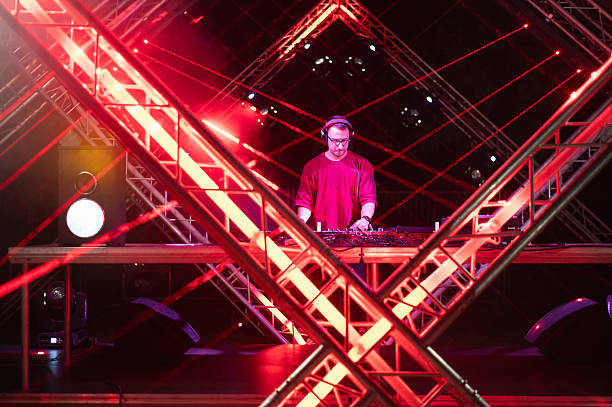
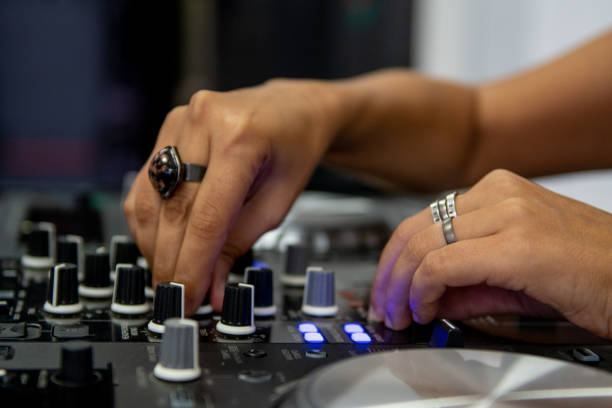
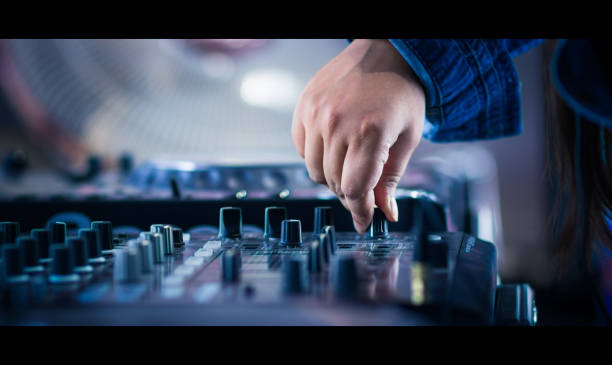
What makes these tiny venues so special isn’t just the volume, though trust me, it’s the volume. It’s the intention. A micro club forces a certain kind of honesty. The DJ isn’t a distant silhouette behind a massive stage rig—they’re right there, eye-level, often close enough to see which knob they’re tweaking. There’s no hiding behind production pyrotechnics or confetti cannons. You’re watching a human being make split-second decisions with their hands, reading a crowd that’s literally within arm’s reach. That intimacy changes the energy exchange. When a track drops and you lock eyes with the selector across the booth, you’re sharing something. It’s not a show. It’s a conversation.
And god, the sound systems. The real magic happens because these clubs treat audio like a holy grail. We’re not talking about a pair of old PA speakers shoved in a corner. We’re talking about meticulously tuned Funktion-One rigs, custom-built scoops, or boutique European stacks that cost more than a house deposit. The room is acoustically treated, often with irregular angles or custom panels that turn a brick box into a studio-grade listening temple. The bass doesn’t just hit your chest—it travels through your spine and settles in your hips. That’s the point of a micro club. You’re not there to be distracted by visual noise. You’re there to feel the frequencies on a cellular level. It’s a full-body reset that even the best festival main stage can’t replicate, because in a tiny room, the sound has nowhere to escape. It bounces, wraps around you, and forces you to surrender.
Places like London’s FOLD (though technically a warehouse, its intimate back room is iconic), Berlin’s Golden Gate, or Tokyo’s Forestlimit are temples of this philosophy. They don’t need giant LED walls or Instagram-ready art installations. The vibe is utilitarian but warm—concrete, wood, maybe a weird neon sign, and a Funktion-One rig positioned perfectly off-center. You come for the music, you stay because the room refuses to let you leave. There’s no VIP section because the whole club is basically VIP. The bar is close enough that you can order without losing the groove. The smoking area becomes a spontaneous community hang where strangers trade track IDs like currency.
This format also breeds a different kind of DJ. Without the pressure to please tens of thousands, selectors take risks. You get extended dub plates, obscure b-sides, and hour-long ambient openings that slowly build into peak-time madness. The crowd is usually made of fellow addicts, many of whom are DJs themselves. They listen differently—with their entire bodies, attuned to subtle texture shifts between tracks. It’s the difference between watching a movie in a multiplex versus an art-house screening with a director Q&A. Both are valid, but only one leaves you feeling like you were part of the creative process.
There’s also a beautiful social layer. Micro clubs crush the barrier between artist and audience. After a set, the DJ often hangs around, talking shop over a cheap beer. You can ask about that one filter sweep or that weird kick drum sample. That kind of access doesn’t exist anywhere else. It’s mentorship by osmosis, and it’s how the next generation of selectors learns the unspoken rules: when to hold the bass, when to let the hi-hats shine, how to read a room that sleeps only four meters from the booth. This isn’t just clubbing; it’s a masterclass in sound and community.
So the next time someone brags about a 50K-person festival, let them. You already know that the real electricity lives in a sweaty little basement with a custom void air motion system and a crowd of true believers. Micro clubs are the underground’s beating heart. They’re proof that size doesn’t matter—it’s how you use the dB. Go find one, trust the bouncer who looks like a retired boxer, and let the walls shake your soul loose. You’ll never look at a mega-club the same way again.