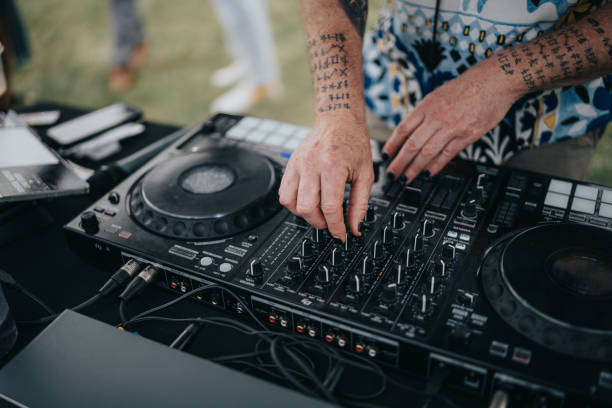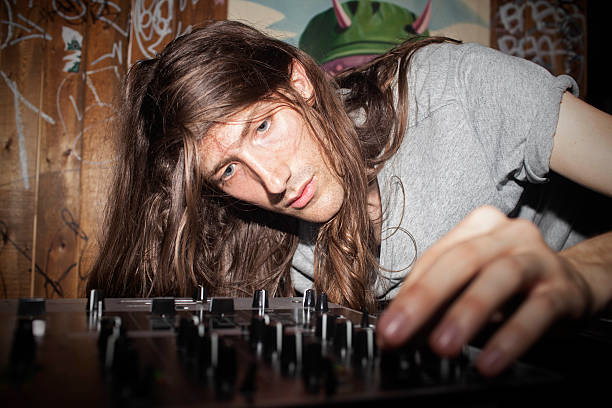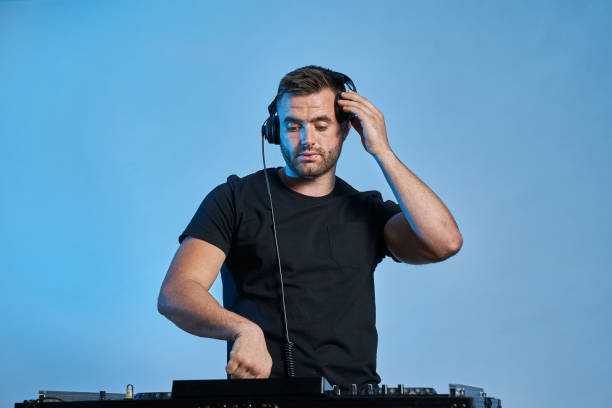
We’ve all been there. The main set is done. The crowd is still buzzing, the promoter is sliding you another drink, and someone’s already whispering about the afterparty at an undisclosed warehouse. Then, as the sun starts to bruise the sky, someone mentions the after-after—that hazy, unspoken third act where sleep is a distant memory and your headphones are just decoration. For a traveling DJ, the line between “living the dream” and “running on fumes” is thinner than a crossfader. And if you’re serious about your craft, your body, and your mental health, you need to learn how to say no to the after-after. This isn’t about being anti-fun. It’s about being pro-longevity. This is DJ Wellness: Stay Healthy, and it’s time for a mental health check-in.
Let’s be real. The DJ lifestyle is built on a paradox. We are paid to create energy, to ride the wave of a crowd’s collective euphoria, and to chase that perfect four-on-the-floor transcendence. But the industry’s unofficial after-hours culture can chew you up and spit you out. The after-after isn’t just another party. It’s a symptom of a deeper issue: the fear of missing out, the pressure to network, and the mistaken belief that your worth as an artist is tied to your physical stamina. Your brain needs a rest, not a reset from a questionable nightcap.
Think about the legends we worship on this very website. Larry Levan, Frankie Knuckles, Wendy Hunt—these trailblazers didn’t build the foundations of house and techno by burning out their nervous systems every single weekend. Yes, they had marathon sets at Paradise Garage and the Warehouse. But they also understood the spiritual and physical toll of those nights. The after-after is a modern invention, turbocharged by social media FOMO and a festival circuit that never sleeps. You are not a machine. You are a human being with a brain that requires sleep to regulate emotions, process sound, and master your beatmatching.
Here’s the hard truth: saying no to the after-after is an act of radical self-care. It’s a choice to prioritize your mental health check-in over a temporary dopamine hit. When you skip that final party, you’re not being lazy. You’re being strategic. You’re giving your auditory system a chance to recover from hours of high-decibel exposure. You’re letting your cortisol levels drop. You’re allowing your brain to enter REM sleep, which is where memory consolidation happens—essential for learning new mixing techniques or remembering which BPM range works for a 4 AM crowd.
In the Gen Z/Millennial lexicon, this is what we call “protecting your peace.” The travel alone—hopping between bucket-list clubs in Europe, America, and Asia—is a endurance sport. Add in jet lag, irregular meals, and the constant social battery drain of meeting new people, and you’ve got a recipe for burnout. The best festival sets I’ve ever played happened when I was well-rested, hydrated, and mentally clear. The worst sets happened after I said yes to one more “quick drink” at the after-after, thinking I was building community when I was actually just breaking down my own resilience.
So how do you actually do it? You need a game plan. Before you even leave for a gig, set a boundary. Tell yourself, “I will play my set, connect with three key people, and then I’m out.” Have a pre-packed travel bag with earplugs, a sleep mask, and a water bottle. When someone invites you to the after-after, you don’t need to make up a lie. You can just say, “I’m prioritizing my set tomorrow,” or “I’m protecting my ears for the next gig.” The people who matter will respect you. The ones who don’t? They’re the ones who burn out and disappear from the scene in two years.
The history of DJing is full of pioneers who knew when to step back. Wendy Hunt, for example, spoke often about the importance of balance—of knowing that the music comes from a centered place, not a depleted one. The art of saying no is a skill, just like harmonic mixing. It takes practice. You might feel guilt at first, but that feeling fades when you wake up without a headache, when your ears aren’t ringing, and when you can actually enjoy the next city’s bucket-list club without a fog of exhaustion.
Ultimately, the after-after is a trap. It tells you that more is better, that your value is in your availability. But your value is in your artistry. Your rhythm. Your clarity. The best DJs are the ones who know when to cut the track, drop the needle, and walk away. So do yourself a favor. Put the headphones down. Go to bed. You’ll be a better DJ tomorrow if you say no tonight.
Stay healthy, stay sane, and keep the beat alive in your chest—not just in the booth.