If you’ve ever thrown on a massive smiley-face T-shirt, dropped a loved-up house track, or felt that sweaty, hands-in-the-air euphoria at 4 AM, you’ve got a little piece of Shoom in your soul. Before the UK was a global epicenter of rave culture, before the second summer of love turned fields into makeshift dance floors, there was one tiny basement club in South London that sparked it all. Shoom wasn’t just a night—it was the sonic and visual blueprint for an entire generation. And at the heart of it? The DJ pioneers who dared to mix Chicago house, Balearic beats, and pure, unapologetic joy.
Let’s rewind to 1987. London’s club scene was still clinging to the past—think strict door policies, suits, and a lot of cocaine-fueled exclusivity. Enter Danny Rampling and his wife, Jenni. Fresh from a life-changing holiday in Ibiza, where they had witnessed DJ Alfredo Fiorito blending everything from funk to acid house in a magical sunset session, the Ramplings knew something had to change. They returned to London with a mission: recreate that Balearic vibe, but make it underground. The result? Shoom, a Wednesday night affair held in a sweaty, unassuming fitness center called The Sanctuary in Southwark.
And then there was the smiley face. It wasn’t a corporate logo—it was a symbol of what the scene stood for: pure, non-judgmental happiness. The yellow, grinning face became Shoom’s unofficial badge of entry. If you were wearing it, you were part of a secret society that rejected the aggression of 80s nightlife. It was the opposite of cool; it was sincere. People wrote “Love” and “Peace” on their hands, danced in oversized dungarees, and actually talked to strangers. Sounds cheesy now, but back then? It was revolutionary.
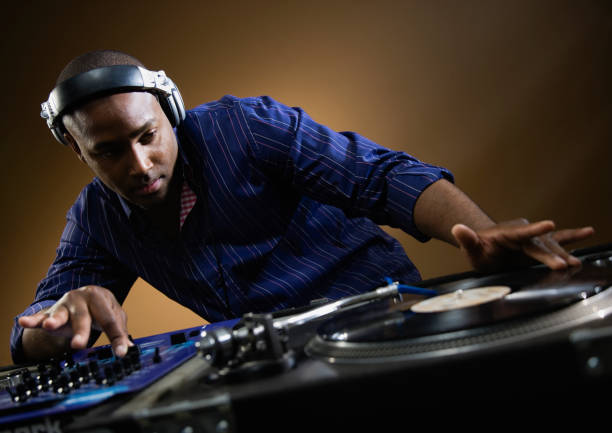
The DJ pioneers who passed through Shoom’s doors are legendary. Paul Oakenfold, Nicky Holloway, and the late, great Andrew Weatherall all cut their teeth or found their spiritual homes there. These weren’t technically perfect beat-mixers in the modern sense—turntables were unreliable, and tracks weren’t always perfectly matched. What they had was instinct. They’d drop a gospel house vocal over a driving 4/4 kick, let a track breathe for five minutes, then slam into something completely unexpected. The crowd didn’t care about flawless transitions. They cared about feeling. And Shoom made you feel like you were floating.
Sound system culture was raw back then. There were no massive Funktion-One rigs or digital controllers. The Sanctuary’s basement had a modest, gritty sound system that made every bass kick vibrate through your chest. The walls sweated condensation. The floor was sticky. The DJ booth was basically a corner crammed with vinyl. But that intimacy was everything. The DJs weren’t elevated on a pedestal; they were part of the crowd. When Oakenfold dropped a track like “Witch Doctor” by Chris & Cosey, the room became a single organism. That’s the essence of UK rave sound system culture—it’s not about the gear, it’s about the connection between the selector and the dancers.
Shoom’s influence ripples into today’s scene harder than most people realize. The smiley face got co-opted by mainstream culture, sure—you see it on phone cases and Instagram stickers. But the original meaning? That’s still alive in every warehouse party where strangers high-five as the drop hits. The DJ pioneers of that era weren’t just playing records; they were architects of a new social contract. They taught us that a night out could be a form of therapy, a community, a rebellion against isolation.
For all you aspiring DJs reading this—whether you’re mixing on a controller in your bedroom or spinning vinyl at a proper underground club—remember Shoom. It’s proof that the best parties aren’t about the most expensive equipment or the tightest transitions. They’re about creating a vibe where people feel safe to be ridiculous, to cry tears of joy, and to connect. So throw on a smiley face, dig into some old Chicago house records, and never forget: the UK rave scene started in a sweaty basement with a bunch of DJs who just wanted everyone to have the best night of their lives.