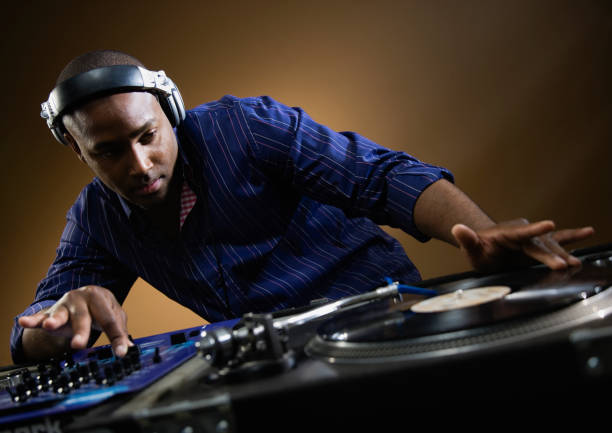
Let’s be real: practicing DJing can feel like trying to meditate in a group chat. You want to lock in, but between work, school, socials, and the siren call of TikTok, your controller starts collecting dust. The good news is you don’t need four-hour studio sessions to get nice. The habit that sticks is usually small, repeatable, and a little bit fun. Think of it like going to the gym for your ears. A twenty-minute focused session beats a three-hour scroll-and-noodle every single time.
Start by picking a trigger and a tiny time slot. Habit stacking works because your brain loves a cue. Maybe it’s right after dinner, before your nightly skincare, or while your coffee brews. The key is same-ish time, same-ish place. Keep your gear set up so starting takes zero executive function. Controller plugged in, headphones on the hook, laptop charged, playlist ready. If setup takes ten minutes, you’ve already lost the plot. Make it easier to practice than to avoid practice. Even ten minutes of intentional reps can keep your ears warm and your muscle memory online.
Then give each session one micro-goal. Don’t try to learn scratching, harmonic mixing, and producing a bootleg in one night. Today is beatmatching only. Tomorrow is phrasing. The next day is library prep. This sounds slow, but it’s actually fast because you’re not splitting your attention. You’re training muscle memory, not chasing clout. When you focus on one skill, your brain builds a cleaner pattern. You also get a small win, which makes you want to come back. That’s how habits stick: not through hype, but through repetition that feels doable.
For beatmatching, practice by ear with the BPM display covered or ignored. Pick two tracks in the same genre and rough tempo. Match the kick, count bars, and nudge the pitch fader like you’re adjusting a conversation, not wrestling a bear. The goal isn’t perfection every time. It’s noticing drift early and correcting smoothly. If you only train your eyes, you’ll panic when a club’s CDJs hide the waveform or when the monitors lie to you. Your ears are the real firmware update.
Phrasing is where DJing stops being math and starts being music. Learn to feel eight-bar, sixteen-bar, and thirty-two-bar phrases. Drop the incoming track on the one. Use songs you know so you’re not fighting unfamiliar structure. Once you can predict a breakdown or a vocal entry, your blends sound intentional instead of lucky. Record every session, not for the gram, but for feedback. Listen back and ask one question: where did the blend trainwreck, and why? Was it timing, EQ, or track choice? Take one note. Don’t roast yourself into oblivion.
Active listening counts as practice too. When you’re on the bus or doing dishes, listen to a set and count bars. Map a track’s intro, drop, breakdown, and outro. Notice how a DJ creates tension and releases it. This builds library intuition without touching gear. Library prep is also practice. Set cue points, tag energy, organize crates for warmup, peak time, reset, and closing. A tidy library is a genuine superpower because it lets you stay creative when you’re nervous or tired.
Protect your ears and your brain. Don’t practice at ear-bleeding volume, and take breaks every thirty minutes or so. Ear fatigue makes everything sound muddy, and tinnitus is not a flex. Rest is part of the routine. So is accountability. Post a sixty-second mix to a friend who will actually listen. Join a Discord. Book a low-stakes house party or a livestream. Deadlines make habits. If nobody’s expecting anything, it’s easy to ghost your own goals.
Track your streak on a calendar, but don’t turn it into a toxic productivity thing. Missed a day? Never miss twice. Consistency beats intensity every time. Most importantly, keep joy in the mix. Play tracks you love. If practice feels like homework, change the assignment. Do a vinyl-only session, an edit challenge, or a mini-set for your group chat. The habit sticks when it becomes part of your identity: I’m someone who touches decks most days. Not perfectly, just present. Over months, your ears sharpen, your blends lock, and the fader stops feeling like a test. That’s the sauce.