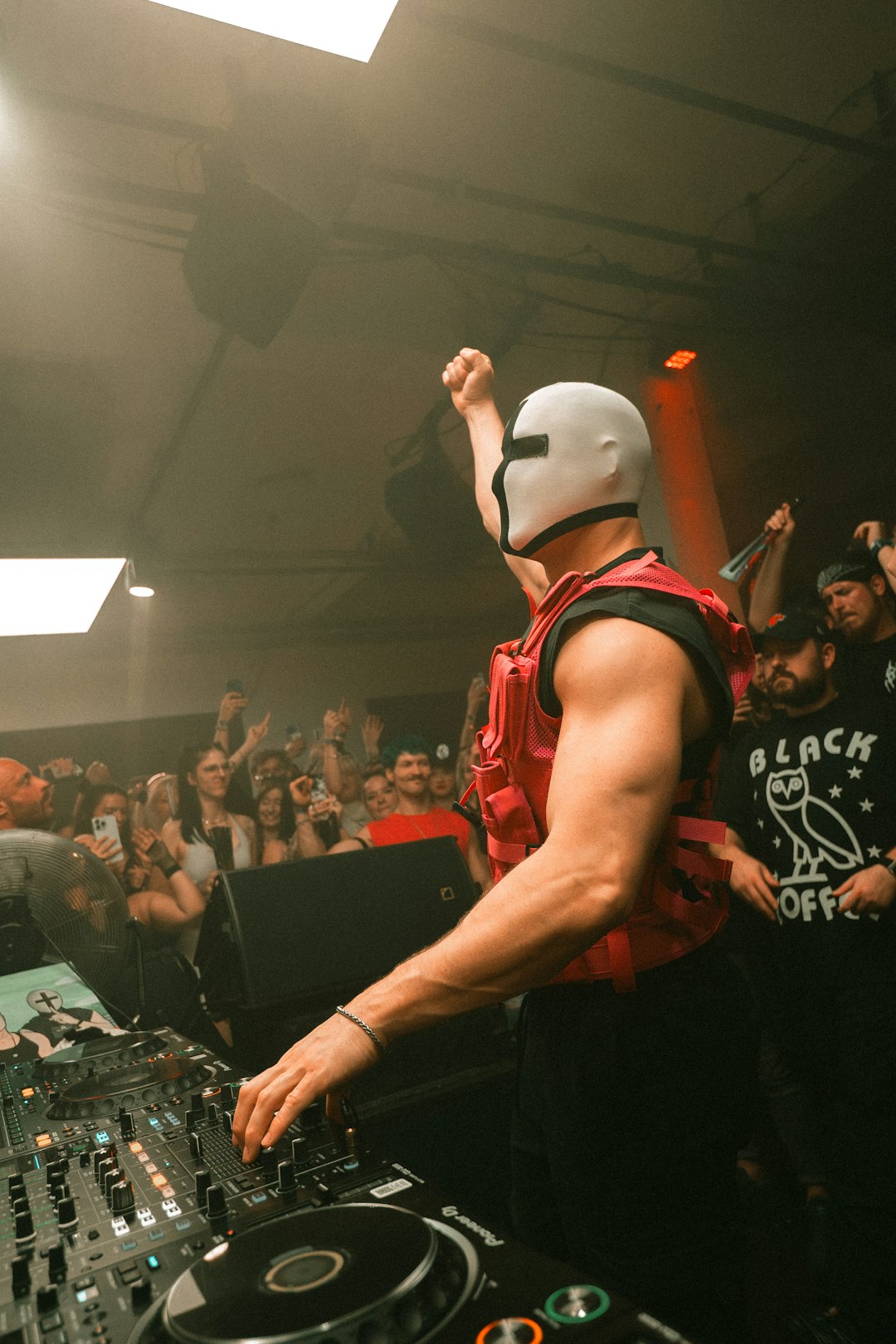
So you’ve finally decided to stop scrolling through endless sample libraries and actually build a studio setup that doesn’t make you want to throw your laptop out the window. Welcome to the club. Whether you’re chopping up house loops like Frankie Knuckles or layering textures like a modern beat wizard, your production suite is the temple where the magic happens. But let’s be real—gear can get expensive fast, and without a little sanity, you’ll end up with a pile of plugins you never use and a MIDI controller gathering dust. This is about equipping yourself with the essentials that actually move the needle, without blowing your rent money.
First up, let’s talk about the heart of your setup: the computer. I know, I know, it’s not sexy, but your laptop or desktop is the engine that drives everything. You don’t need the newest MacBook Pro with the M3 Ultra chip if you’re just starting out, but you do need enough RAM to run your DAW without choking. Aim for at least 16GB of RAM and a solid-state drive, because nothing kills a vibe faster than a spinning beach ball when your kick drum hits. If you’re on Windows, make sure your CPU has enough cores to handle all those virtual instruments. This is non-negotiable. Don’t cheap out here—your computer is the canvas, and you don’t paint on paper towels.
Next, the DAW itself. Ableton Live is the industry standard for electronic music, especially if you’re into beat mixing and loop-based production. It’s modular, it’s intuitive, and it’s built for live performance. But if you’re more into traditional arrangement, Logic Pro or FL Studio might be your vibe. Don’t get paralyzed by choice—pick one, learn it inside out, and stick with it. The DAW doesn’t make the producer; your ears and your workflow do. And for the love of all that is holy, use the trial versions before you drop cash. Splice has rent-to-own plans for some DAWs too, which is clutch for keeping your budget sane.
Now, let’s talk controllers and hardware. You don’t need a wall of synthesizers to make fire. In fact, a good MIDI keyboard with velocity-sensitive keys and some pads will take you far. The Arturia KeyLab Essential or the Native Instruments Komplete Kontrol series are solid bets. They integrate seamlessly with your DAW and come with software bundles that actually include useful sounds. Assign those knobs, map your macros, and start jamming. The tactile feedback of twisting a knob instead of clicking a mouse will change your workflow. Trust.
For audio interface, don’t sleep on the Focusrite Scarlett series. They’re affordable, reliable, and the preamps are clean enough for vocals, field recordings, or even sampling vinyl. You need an interface because your laptop’s headphone jack is a lie—it introduces latency and noise. Get at least two inputs so you can record a synth line and a vocal at the same time. Pair it with a pair of studio headphones like the Audio-Technica ATH-M50x or Beyerdynamic DT 770 Pro. These are closed-back, so you can track without bleed, and they’re flat enough to trust your mix decisions.
Monitors are the next step, but only if your room is treated. Before you buy fancy speakers, put up some bass traps and acoustic panels. Otherwise, you’re just hearing your room’s bad reverb and standing waves. If you’re in a bedroom, start with headphones for mixing and use monitors for vibe checks. The Yamaha HS5 or KRK Rokit series are classic entries—just don’t crank them in an untreated room and think you’ve got the mix right.
Let’s not forget about sample management. This is where Splice subscription management comes in. You can get lost in sample packs for hours, downloading thousands of loops you’ll never use. Instead, curate. Splice lets you save your favorites, build personal libraries, and even collaborate. Set a monthly budget—like ten credits—and only grab sounds that inspire you right now. Download them, drag them into your DAW, and import them into a labeled folder. If you don’t use a sample within a month, delete it. This keeps your hard drive lean and your creative headspace clear. Sanity over quantity.
Finally, make your production suite comfortable. Good lighting—not harsh overhead bulbs, but warm, dimmable lamps or LED strips. A desk that’s at the right height so your wrists don’t ache. A decent chair if you’re sitting for hours. This is your zone, so make it feel like a sanctuary. Even Larry Levan had his Paradise Garage decked out with lights and vibe. You’re channeling that spirit.
Bottom line: gear up with intention. Start with the essentials, upgrade as your skills grow, and never let gear lust distract you from the music. Your production suite should inspire you, not stress you out. Keep it functional, keep it personal, and keep making bangers.