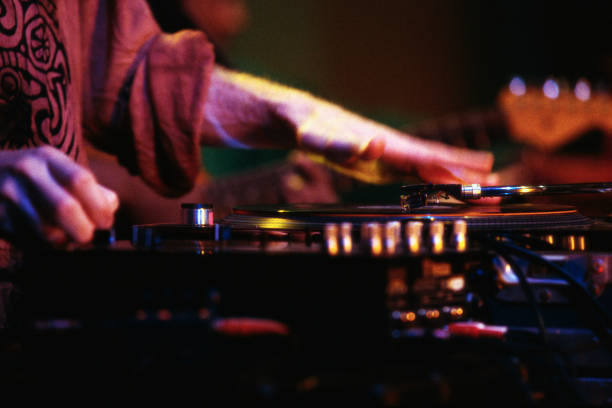
The booth can feel like home, but it can also be a pressure cooker. Late nights, loud rooms, constant travel, and the pressure to keep the dancefloor locked in can do a number on your head. For DJs, mental health isn’t a soft extra or a vibe killer. It’s part of your gear. You check your cables, your USBs, your headphones, and your cue points. You also need to check in with yourself. That means building small mental health check-ins into your routine, not just when you’re already burnt out.
Before you even plug in, run a pre-gig check-in. Ask yourself how you’re actually doing, not just whether you can technically play. Are you anxious, depressed, hungover, or running on three hours of sleep? Are you excited, or are you just trying to prove something? Name it. A simple one-to-ten scale for mood, energy, and anxiety can give you real data. Then adjust. If your nervous system is redlining, don’t slam a double espresso. Drink water, eat something with protein, stretch your jaw and shoulders, and take five slow breaths. Set boundaries before you walk in, like no shots before peak-time or no staying until sunrise if you have a travel day tomorrow. Pack comfort items: earplugs, tea, a hoodie, a note with your emergency contact. If you’re touring, jet lag and strange hotel rooms can make everything feel unreal, so grounding rituals matter even more.
During the set, check in between tracks. You don’t need a full therapy session behind the decks. Just notice what’s happening. Feel the fader under your fingers. Listen to the monitors. Watch the crowd without making it mean everything about you. If your thoughts start racing, if you’re comparing yourself to every other DJ on the lineup, or if you’re spiraling about a transition that already happened, bring your attention back to the next cue point. A familiar track can be a reset button. A loop can buy you a breath. You are a selector, not a machine. If panic hits, it’s okay to simplify. Let a track ride, take a sip of water, and signal a friend or staff member if you need support. A five-second check-in can save the whole night.
After the set, the post-gig drop is real. Adrenaline crashes, dopamine dips, and suddenly you’re replaying every tiny mistake. Don’t rush straight to the afterparty if you’re depleted. Check in again. Are you hungry? Overstimulated? Lonely in a crowded room? Do you need silence or connection? A voice memo to a friend, a short walk, or a shower can help you land. Sleep hygiene is not boring; it’s survival. Try not to doomscroll clips of your set and compare yourself to everyone else. Recovery is part of the craft. If you used alcohol or other substances to manage social anxiety, notice that pattern without shame. Talk to a therapist or a trusted person. For traveling DJs, routines are everything. Book a hotel with a gym or a quiet park nearby. Schedule days off. Move your body. Call someone who knows you outside of music.
Community matters, too. Mental health check-ins are not weak. They’re professional. Many DJs work with therapists, coaches, or sober mentors. Find your people, whether that’s a group chat, a local scene, or a peer support network. If you’re having thoughts of self-harm, reach out to a crisis line immediately. You deserve help. Set boundaries with promoters. You can say no to a gig. You can ask for safe travel. You can bring a friend. You can step away from the booth. Your worth is not your bookings.
A weekly check-in can tie it all together. Set a recurring alarm on your phone. Ask what drained you, what energized you, and what you need next week. Sleep, food, movement, connection, and creativity are not luxuries. They are the foundation of a long career. The DJ life is a marathon, not one endless back-to-back. Protect your ears, your body, and your mind. The crowd feels your energy, and when you’re regulated, you play better. So before you touch the decks, touch base with yourself. That’s the real ultimate technique.