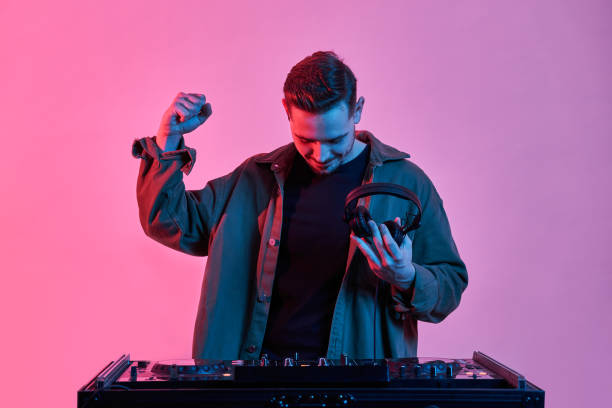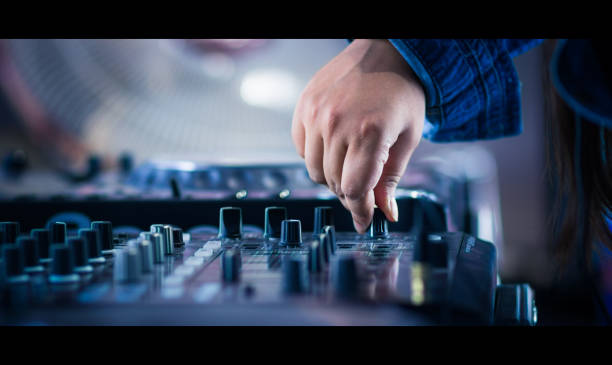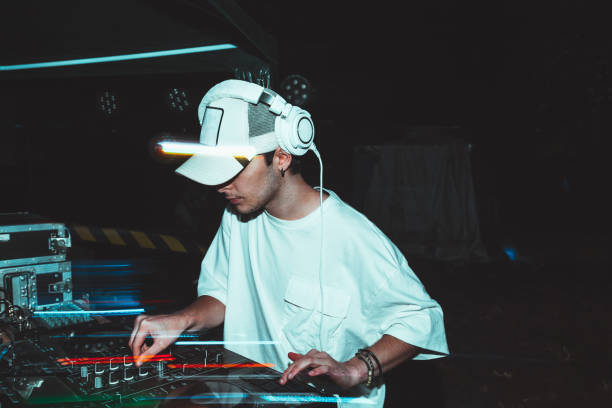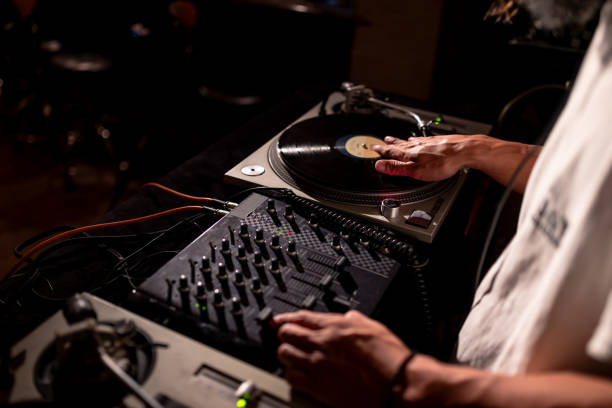
For a long time, the laptop was the main character of DJ booths. You rocked up with a controller, a tangled USB cable, and a dream, hoping your software wouldn’t crash mid-drop. But standalone media players have completely changed the vibe. These are the decks that read your tracks from USB drives, SD cards, or SSDs, analyze waveforms on the fly, and let you mix without a computer in sight. Think Pioneer DJ’s CDJ-3000, Denon DJ’s SC6000, or all-in-one units like the XDJ-RX3 and Prime 4+. They’re not just fancy CD players with extra buttons. They’re full-on performance computers built for one job: keeping the party moving while you stay locked in.
A media player is basically the brain and the deck in one. It loads your library, shows you the waveform, beat grid, hot cues, loops, and key info. You can nudge, scratch, pitch, sync, and layer tracks without alt-tabbing to check Discord. The standalone life is lowkey a mental health hack. No OS updates, no random notifications, no browser tabs eating RAM. You plug in, scroll your playlists, and focus on the crowd. That tactile connection matters. When your hands are on real jog wheels and your eyes aren’t glued to a screen, you can actually read the room. You catch the energy dip before it happens. You see the one person losing their mind to a track and know exactly what to drop next.
The ecosystem is where things get spicy. Pioneer DJ, now AlphaTheta, uses rekordbox to prep USB drives. Denon DJ uses Engine DJ. Both want you to export your playlists, cues, and beat grids so the media player already knows your tracks. If you just drag MP3s onto a stick and pray, you’re gonna have a bad time. Beat grids will be off. Keys will look sus. Your hot cues won’t be there. Proper prep means analyzing tracks, setting memory cues, naming things clearly, and backing up your USBs like they’re your passport. Cloud sync and streaming integrations are cool too. Services like Tidal, Beatport Streaming, SoundCloud Go+, and Beatsource can save a request when someone asks for a song you don’t own. But don’t rely on club Wi-Fi unless you enjoy chaos.
Feature-wise, the modern media player is stacked. Touchscreens, waveform zoom, dual-layer playback, performance pads, loop rolls, key sync, beat sync, and even stem separation on some units. Streaming services and Wi-Fi are becoming standard. Pro DJ Link lets you sync multiple players and share one USB across the booth. Ableton Link can sync external gear. It’s a lot. But specs don’t make you a DJ. A CDJ-3000 won’t teach you phrasing. A Prime 4+ won’t fix bad transitions. The gear is there to remove friction, not to do the creative work. You still need to know when to bring in the next track, how to ride the EQ, and when to let a vocal breathe. That’s the human part.
So, laptop or standalone? Laptop setups win on flexibility. You get stems, DVS, huge libraries, wild FX chains, and custom mapping. Serato, Traktor, and rekordbox performance mode are still goated for certain styles. But standalone media players win on reliability and focus. They boot fast, feel solid, and are the club standard for a reason. If you want to play in clubs, learning a Pioneer-style layout is basically a rite of passage. If you’re a mobile DJ or wedding DJ, an all-in-one standalone unit can be a lifesaver. If you’re a turntablist, maybe you stay on DVS. If you’re experimental, a standalone with stems and streaming might be your era. Many pros run hybrid setups: media players plus a laptop for special tricks. There’s no single right answer, just the workflow that keeps you in the zone.
Choosing a media player comes down to budget, ecosystem, and where you want to play. A used XDJ-RX2 can be a perfect first standalone. A CDJ-3000 pair is endgame for club dreams. Denon’s Prime series often gives you more features for less cash, but Pioneer is still the booth lingua franca. Whichever you pick, learn it like an instrument. Practice beatmatching by ear, even if sync is on. Build playlists that tell a story. Update your firmware before gigs, not during. Label your USBs. Bring backups. The best media player is the one that disappears under your hands, leaving only the music and the crowd. That’s the real glow-up. Not the gear itself, but the confidence to walk into any booth, plug in, and make it feel like home.