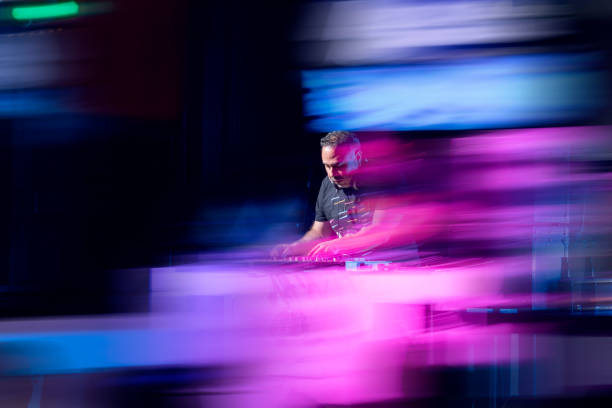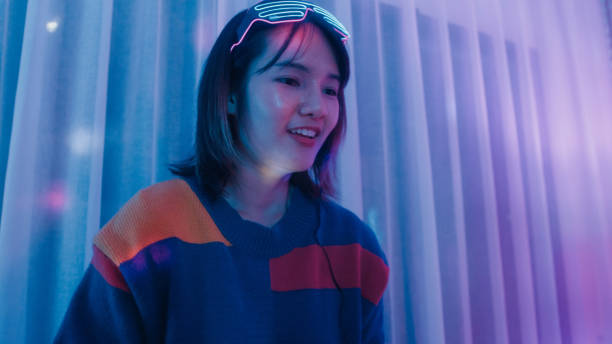
The Asia club circuit isn’t just cheap flights and 4 a.m. noodles. It’s a different rhythm. If you’ve cut your teeth on the same loop at home, Asia will humble you. It asks you to beatmatch with one ear on the crowd and the other on the culture. It rewards DJs who can read a room in languages they don’t speak, stretch a warm-up into a spiritual moment, and understand that a peak-time drop isn’t always the move. It’s not a checklist; it’s a conversation. From Tokyo’s surgical sound systems to Bali’s sunrise hedonism, these stops are essential for anyone chasing a global DJ life.
Tokyo is the classic first pilgrimage. Shibuya, Shinjuku, and Daikanyama are packed with rooms that treat sound like religion. Clubs like Womb and Vent have bucket-list status for a reason: serious rigs, patient crowds, and a booth that feels like a laboratory. Go deep here. Long blends, subtle EQing, dubby techno, hypnotic house—the Tokyo crowd will follow if you’re honest. Respect the door policy, keep your phone pocketed, and remember the culture is built on listening, not filming. Tokyo teaches precision, restraint, and the slow build. The city will make you a better selector.
Seoul is next, and it’s a different beast. Hongdae and Itaewon have underground rooms that pulse with stylish chaos. The crowd is young, sharp, and ready to move, but they’re not easy. They know when a DJ is phoning it in. Tech-house, minimal, breaks, and hardgroove all land, but the real skill is reading the room’s energy and riding it without forcing it. Seoul’s nightlife runs late, and afters blur into sunrise. It’s where discipline meets spontaneity, and DJs who pivot—who drop a curveball and make it feel inevitable—thrive. The fashion is next level, too. Leave the cargo shorts at home.
Bangkok is where the circuit gets sweaty, chaotic, and unforgettable. The heat hits first, then the traffic, then the smell of grilled skewers and exhaust. Clubs like Beam, Mustache, and De Commune have built a scene that’s raw, experimental, and welcoming. Sound systems can be janky, schedules shift, and power might flicker, but that’s the charm. Bangkok teaches improvisation. If the CDJ freezes, you laugh and keep the vibe alive. The crowd is locals, expats, and travelers, so your set can go weird—acid, breaks, baile, disco, whatever. Here, technical perfection matters less than connection. After-hours can turn into sunrise sets by the river.
Singapore is the polished counterpoint. Zouk, Headquarters, Tuff Club, and Cato are sleek, professional, and expensive. Door policies are strict, sound is crisp, and the crowd knows its stuff. You can’t roll in with a messy USB and a bad attitude. Singapore is a gateway to the region’s industry, so bring your A-game and your business cards. It’s also a reminder that clubbing in Asia isn’t one monolithic vibe. You might play underground techno in a spaceship-like room, then talk shop over late-night roti prata. It’s a networking hub as much as a party. It sharpens your professionalism.
Bali is the spiritual reset. Potato Head, Savaya, and jungle clubs around Ubud offer sunset sets, organic house, melodic techno, and disco that feels like a hug. The crowd is international and often on vacation, so the energy is loose, open, and a little chaotic. You might play to people in swimwear and people in full festival fits. Humidity is real, so bring backup USBs and keep your laptop cool. The island’s wellness culture also offers a rare chance to reset between gigs. Bali reminds you why you fell in love with dance music: sunsets, sweat, and strangers becoming friends on the dancefloor.
Hong Kong, Taipei, and Shanghai deserve shoutouts too, from Oma and Social Room to Korner, Pawnshop, Elevator, and All. But the throughline is the same: be curious, humble, and ready to adapt. The Asia circuit isn’t about playing the same set you played in Berlin. It’s about listening, learning, and letting the room teach you. Every stop adds a new tool to your DJ toolkit. Pack light, respect the locals, and keep an open mind. The best DJs aren’t the ones with the biggest files—they’re the ones who make a room feel alive.