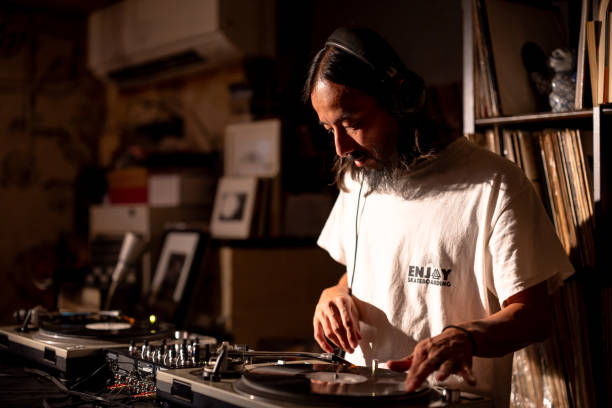
You’re an hour out from your set. The booth is still half-built, the promoter is pacing, and your phone is blowing up with “what time do you play?” texts. Your chest feels tight, but you can’t tell if it’s excitement, caffeine, or dread. This is exactly when a mental health check-in matters. Not after the meltdown, not when the tour bus is silent and everyone’s asleep. Right now, before you plug in.
DJing looks like partying for a living, but the job is a sensory overload marathon. You’re reading a crowd, managing monitors, timing mixes, protecting your gear, and making a hundred tiny decisions while bass is rearranging your organs. That’s a lot for a nervous system. So treat a check-in like a soundcheck for your brain. It’s not woo-woo. It’s maintenance.
Start with a simple question: How am I actually doing? Not “How am I supposed to feel?” Not “What would this look like on IG?” Actually. Are you anxious? Numb? Irritable? Wired but exhausted? Maybe you’re hyped and grounded, which is great. Maybe you’re running on three hours of sleep and a gas station protein bar. Name it without judging it. You can’t mix what you can’t hear, and you can’t regulate what you won’t notice.
Then check your body. DJs live in their heads—cue points, transitions, track keys—but the body keeps receipts. Is your jaw clenched? Shoulders up by your ears? Stomach in knots? Hands cold? Take ten slow breaths, longer on the exhale. Roll your neck. Shake out your arms. Drink water before the Red Bull. Eat something real, even if it’s just a banana and a handful of nuts. Low blood sugar can feel exactly like a panic attack, and no one needs that reveal during your opening blend.
Next, check your boundaries. Are you about to say yes to too many shots because you don’t want to seem boring? Are you planning to stay out until 6 a.m. when you have a flight at 9? Are you agreeing to a back-to-back with someone who stresses you out? A mental health check-in isn’t just about feelings. It’s about protecting your energy like it’s your crates. You can be friendly and still say, “I’m good, thanks.” You can be a great DJ and still leave the afterparty early. The crowd won’t remember, but your body will.
During the set, do micro check-ins. If the floor isn’t popping, don’t spiral into “I’m a fraud.” Sometimes the room is weird. Sometimes the sound sucks. Sometimes people are just waiting for the headliner. Your worth isn’t tied to a single transition. Notice when you’re comparing yourself to the DJ before you or the one after you. That comparison loop is a creativity killer. Come back to the next track. Come back to your breath. Come back to the reason you started: you love this.
After the set is the real test. The post-gig come-down is real. Your dopamine was in the stratosphere, and now you’re in a hotel room with bad lighting and a phone full of half-read messages. This is where a lot of DJs get lowkey depressed and don’t know why. Don’t chase the feeling with more drinks, more powder, or more scrolling. Have a soft landing plan. Water. Snack. Shower. Maybe a voice note to a friend who gets it. Stretch. Journal one sentence. Put the phone across the room. Sleep is not a luxury; it’s part of your set prep.
On tour, the check-ins need to be scheduled, not just vibes. Loneliness and jet lag can make everything feel heavier. Book time with a therapist, even virtual. Text your people. Move your body outside the club. Have one non-DJ hobby that doesn’t involve headphones. If you’re in crisis—if you’re thinking about hurting yourself or you can’t function—reach out to a professional or a crisis line. That’s not dramatic. That’s maintenance.
You spend hours curating tracks, tweaking EQs, and building a set that takes people on a journey. Do the same for your mind. A pre-gig check-in won’t make every set perfect, and it won’t fix an industry that runs on late nights and burnout. But it can help you show up as a human first and a DJ second. And honestly? That’s the version of you that plays the best sets anyway.