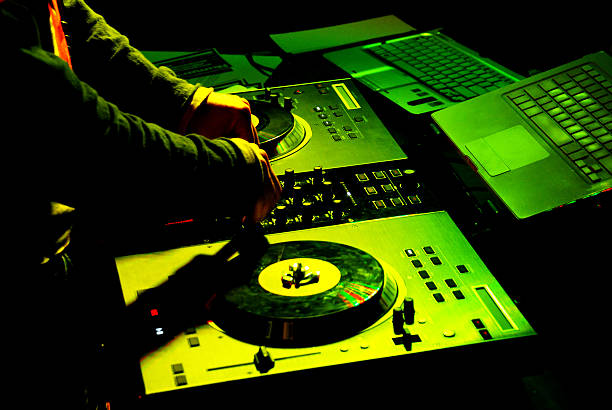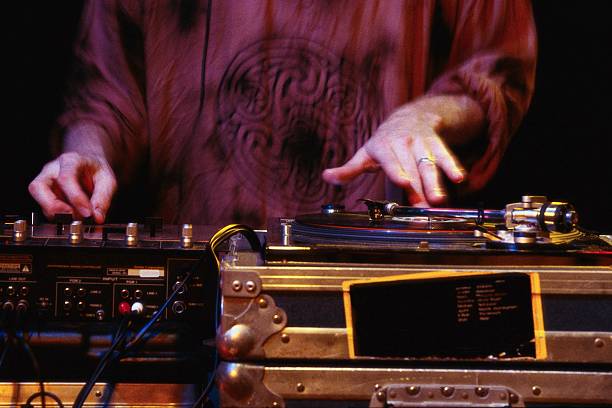
The phrase “the ones and twos” is more than just a cute way to refer to a pair of turntables. It’s the secret handshake, the inside joke, and the love letter to the most iconic piece of equipment in DJ history. When you say you’re about to “spin on the ones and twos,“ you’re not just saying you’ll play music. You’re saying you belong to a lineage that stretches back through the sweaty basements of New York, the warehouse parties of Chicago, and all the way to the blistering festival stages of today. It’s nostalgia, swagger, and pure function rolled into two little words.
Let’s break it down. The “ones” is your left turntable. The “twos” is your right one. In the golden age of vinyl, DJs would set up two Technics SL-1200s, each with its own record, and the magic happened in the space between them. You’d isolate a break on the one, let it loop in your headphones, then ride the pitch fader on the two to sync it up with the track that’s playing. The result is that seamless blend — that oh-so-satisfying moment when two songs become one. Calling those decks “the ones and twos” is a nod to the fundamental building block of beatmatching. It’s the Arabic numeral version of “the ABCs” for DJs.
Why not call them “turntables” or “decks”? Because that’s too formal, too boring. DJ culture has always thrived on its own slang, a way to separate the true heads from the tourists. When you drop “ones and twos” in a conversation, you instantly signal that you know the ropes. It’s like saying “wheels of steel,“ another legendary nickname that specifically honors the indestructible Technics. Those machines weighed a ton and could survive a hurricane, hence the “steel” tag. And “wheels” because they spin — not just records, but the whole party. See how that works? The language is alive, poetic, and practical.
The nickname also does double duty for your mixer, your headphones, and your entire setup. Some cats call the mixer “the box,“ because it’s literally a box of knobs and faders that controls everything. Your headphones are “cans” — that’s been around since radio days. And when you’ve got everything wired up just right, with your laptop or your crates of wax, you’re looking at a “battle station.“ That’s the ultimate flex for any bedroom DJ or touring pro. “Check my battle station” — and everyone knows you mean more than just gear; you mean your creative command center.
Now, some might argue that with the rise of digital controllers and software like Serato and Rekordbox, the classic nickname is obsolete. Nah. Not even close. The ones and twos have evolved. A pair of CDJs is still the ones and twos. A modern DDJ controller with two jog wheels? Still the ones and twos. The spirit of the phrase is about the two-deck workflow that defines DJing. Even if you’re looping a four-bar phrase and using sync (no judgment, but maybe a side-eye), you’re still operating on the ones and twos. It’s about the setup, not the tools.
Beyond the technical aspect, there’s a cultural weight here. Legends like Larry Levan at the Paradise Garage and Frankie Knuckles at the Warehouse were masters of the ones and twos. They used these humble decks to invent new sounds, to bridge disco and house, to transform dance floors into spiritual spaces. When you call your equipment “the ones and twos,“ you’re paying homage to those trailblazers. You’re acknowledging that every transition you make, every blend you pull off, is built on the shoulders of giants who treated those turntables like sacred altars.
So the next time you’re setting up for a gig or just vibing in your living room, take a second to appreciate the nickname. Say it out loud: “I’m about to get busy on the ones and twos.“ Feels right, doesn’t it? It’s more than jargon — it’s a ritual, a token of respect, and a reminder that the heart of DJing is still those two spinning platters, waiting for you to work your magic. Keep that language alive, keep the decks spinning, and never let the ones and twos become a relic. Because as long as there are DJs, there will always be a reason to call them by their truest name.