Let’s be real. The days of hauling a full hardware rack to a studio session are dead, and honestly, good riddance. You’re not dragging a 100-pound mixer through the subway to vibe-check a beat in your friend’s living room. You’re pulling out a backpack, finding a table with decent lighting, and getting to work. The whole game has shifted toward portable production setups that feel less like a compromise and more like a secret weapon. If you’re a DJ who also produces, or a producer who occasionally plays out, your mobile rig is your lifeline. It doesn’t need to be the most expensive thing in the room. It needs to be the most intentional.
The core of any portable setup is the laptop, obviously. But don’t sleep on the choices here. A massive 17-inch gaming brick might have serious CPU power, but you’ll hate yourself when you’re trying to balance it on a crate at a festival afterparty. Something like a lightweight MacBook Air or a similarly slim Windows ultrabook is the sweet spot. You want enough RAM to stack a ton of plugins without stuttering, but you also want a battery that doesn’t bail on you before your third session. Battery life is your most underrated production partner. And when you find that spot, that café with the good espresso and the weird but inspiring ambient noise, you want to be able to just open the lid and go.
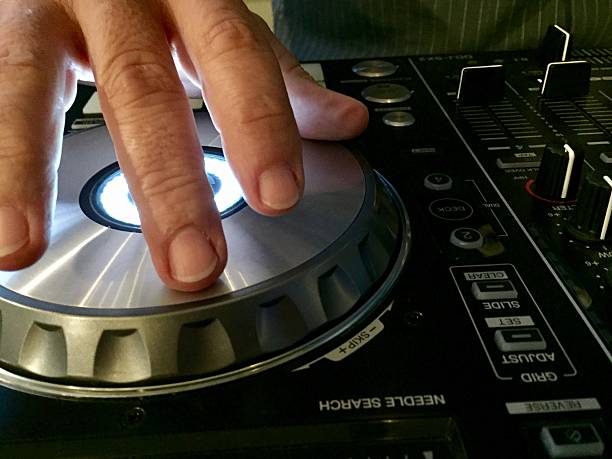
Now, the controller. For DJs, a compact two-channel controller is non-negotiable. But for production, you want something with pads and knobs that actually feel good under your fingers. Think about a MIDI fighter, a tiny launchpad, or one of those all-in-one grooveboxes that can run on USB power. The trick is to not overcomplicate it. You don’t need 49 keys and a fader bank to make a banger. You need a few tactile spots to bang out a drum pattern and tweak a filter. The beauty of a small controller is that it forces you to make choices fast, like chopping samples on the fly instead of scrolling through endless presets.
Audio interface is a whole vibe, too. You might think you can just use the headphone jack on the laptop, but let’s be honest, that’s a fast track to muddy low-end and unwanted latency. A tiny USB-C interface with two outs and a solid headphone amp is the move. Look for one that’s bus-powered, because the last thing you want is another power brick in your life. You should be able to plug it in, instantly hear your mix with clarity, and not worry about some driver update crashing your whole set. And speaking of hearing things, your headphones are not optional. Get a pair that folds flat or comes with a hard case. Over-ear is better for long sessions, but in-ears are lighter and annoy no one. Find a pair that you can travel with without stressing about wire tangles.
Power is always the forgotten hero. You can have the slickest portable setup on the planet, but if you’re battery is blinking red, you’re not making music, you’re just anxious. Invest in a heavy-duty power bank that supports USB-C Power Delivery. That way, you can juice up your laptop and your controller at the same time while you’re sitting in a park or on a long train ride. Some controllers even run directly off a power bank, which means you can skip the wall adapter entirely. Also, grab a multi-port hub with a few USB-A and USB-C ports, plus an SD card reader if you’re sampling from field recordings. The more compact, the better. You shouldn’t need to stop at a tech store every time you want to plug in a flash drive.
Cable management is the final boss. Messy cables kill the creative flow faster than a wrong BPM. Use velcro straps, not zip ties, because you will be unplugging and reconfiguring constantly. Label your cables if you’re prone to mixing up which one goes where. And consider a padded backpack with a dedicated laptop sleeve and some internal dividers. You don’t want your interface’s knobs pressing into your headphones all day. Organize by workflow, not by size. Everything you need for a quick beat-making session should be accessible without unpacking your entire life.
One more thing. Don’t feel pressured to bring your full studio everywhere. The most creative moments often happen when you have to work within limits. A tiny controller, a pair of good cans, and a laptop can produce some seriously raw and original sounds that you’d never get from a giant rig with infinite options. That restriction pushes you to commit to your ideas. So lean into the small setup. Own it. Make your portable studio feel like a designated creative zone, even if it’s just a tray table on a redeye flight. The beats don’t care about the luxury. They just care that you showed up.