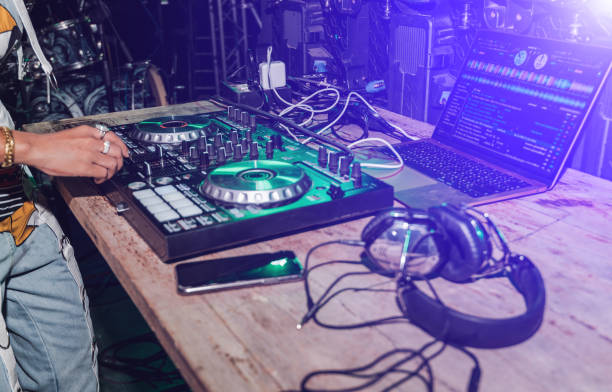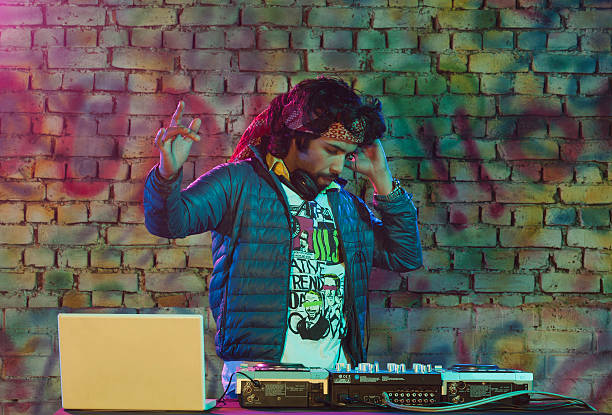
When the house lights come up and the last track fades, there’s a weird few minutes where you’re still buzzing. Your ears are ringing, your shirt is soaked, and someone’s asking if you want late-night noodles. But then you get back to the hotel, the van, or your apartment, and the silence hits different. That’s the post-gig crash. If you’ve ever gone from main character energy to absolutely nothing in one Uber ride, you’re not broken. You’re human. And you probably need a mental health check-in.
DJ life is a dopamine rollercoaster. You spend hours reading a room, building tension, dropping the perfect track, and watching a hundred or a thousand people lose their minds. Your brain gets flooded with reward chemicals, your nervous system is cranked to eleven, and your social battery is running on fumes and Red Bull. Then it’s over. The contrast is brutal. It’s not just being sad after a fun night. It’s physiological and emotional whiplash that can leave you anxious, irritable, empty, or weirdly guilty for feeling low when you should be grateful.
The first move is naming it. A lot of DJs think the crash means something is wrong with their career, relationship, or talent. It doesn’t. It means you did something intense and your body needs to come down. A mental health check-in is not a dramatic intervention. It’s just you, sitting for ten minutes, asking: How am I actually doing? Not how does my Instagram look, not how was the set, not how many people showed up. How am I?
Start with your body, because your mind lives there. Are your shoulders up by your ears? Is your jaw clenched? Have you eaten anything that isn’t a protein bar or gas station snack? Are you hydrated, or running on iced coffee and vibes? Sometimes the check-in is just realizing you haven’t slept more than four hours in three days. That’s not a character flaw. It’s a logistics problem. Fix the basics, then check the feelings.
Then get honest about your emotional weather. Post-gig lows can look like doomscrolling until 4 a.m., replaying every fumbled transition, or feeling disconnected from friends who don’t get why you’re exhausted after “just playing music.” It can also look like feeling nothing at all, which is its own red flag. If the crash lasts longer than a day or two, or slides into a darker place, talk to someone. A friend, therapist, mentor, crisis line. DJs love to act like solo pilots, but the booth is not a personality. You don’t have to white-knuckle it alone.
One of the most underrated check-in tools is a post-gig ritual. Not a wild afterparty, but a deliberate landing strip. Maybe it’s a slow playlist on the ride home. Maybe it’s stretching, journaling one sentence, or calling a friend who doesn’t care about BPMs. Maybe it’s a rule: no socials until you’ve eaten real food and had water. These small moves tell your nervous system the show is over and you’re safe now. It sounds woo-woo, but it works. Your brain loves routine, even when you’re a chaotic creative.
Traveling DJs have an extra layer because you’re constantly changing time zones, rooms, crowds, and energy. Home isn’t always home. So your check-in has to be portable. Ask what you need in this city, this hotel, this moment. Silence? A walk? A workout? A face mask and reality TV? Do you need to text your people and say, “Hey, I’m feeling weird after that set”? Vulnerability is not a vibe killer. It’s a career survival skill.
The goal isn’t to never crash. The goal is to catch yourself before the crash turns into a spiral. You are not a machine that outputs bangers. You’re a person with a nervous system, a heart, and a need for rest. So after the next gig, before you unpack your USB or answer that DM, do a quick mental health check-in. Future you will thank you. If you’re really struggling, reach out to a professional. The world needs your sets, but it needs you more.