Okay so you’ve got your DJ setup dialed, your track selection is fire, and your transitions are cleaner than a freshly wiped Pioneer face. But then someone asks if you’re ever played a Burning Man sound camp, and suddenly you realize the desert is a whole different beast. It’s not just about dropping bangers under a strobe light. Sound camps at Burning Man are like pop-up universes where the line between performer and participant dissolves faster than a popsicle in the playa sun. For DJs, this isn’t just a gig—it’s a spiritual download, a test of adaptability, and honestly, a masterclass in reading a crowd that’s likely rolling barefoot through alkaline dust at 4 a.m.
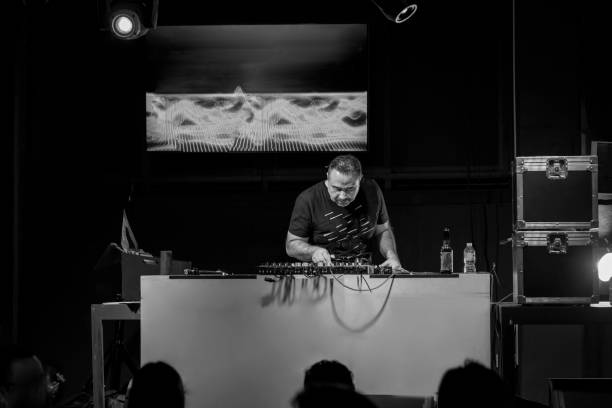
The first thing that throws most club-trained DJs off is the lack of a traditional stage. Sound camps are often just open-sided structures, geodesic domes, or a beat-up school bus with a rig strapped to the roof. There’s no VIP section, no greenroom, no security barrier. The crowd is right there, sometimes literally inches from your laptop. That means your entire approach shifts from performing at people to vibing with them. You’re not headlining a festival stage; you’re hosting a living room that happens to have bass bins and 30,000 neighbors. The best sound camp DJs understand that they’re part of the installation, not the main exhibit. You’re there to soundtrack the art car’s arrival, the flame-throwing flower’s midnight bloom, or that three-hour sunrise hug-circle that somehow becomes the most profound moment of someone’s week.
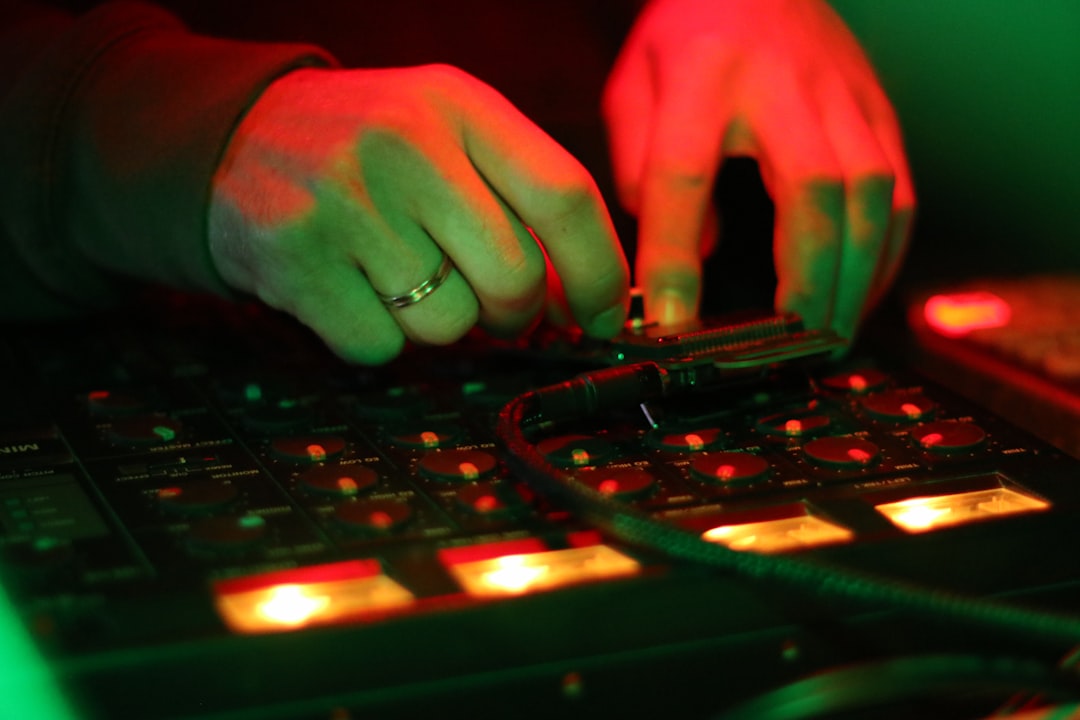
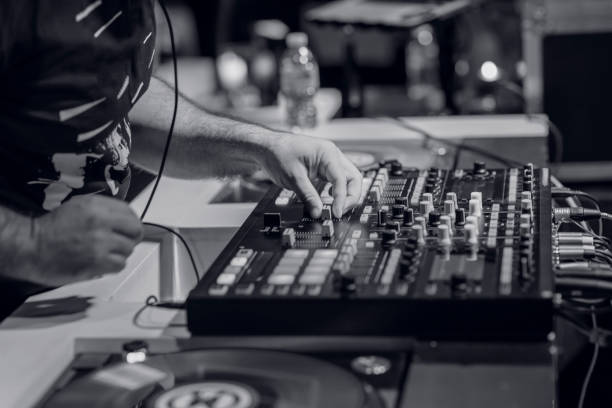
Real talk about gear: the playa will wreck your equipment faster than a hot take on a DJ forum. Fine dust gets into everything. Faders start grinding, USB ports clog, and your beloved controller might start acting like a haunted Casio. That’s why the most seasoned camp DJs bring cheap, rugged gear or refurbished old-school decks. Nobody rocks an expensive modular setup unless they’re fearless or foolish. And power is another vibe killer. Solar and generator power are precious, so you’ve got to be mindful about how much draw your setup uses. A sound camp DJ is part technician, part roadie, part weather forecaster. Dust storms can hit without warning, forcing you to cover your gear with a ziplock bag and a prayer. But here’s the secret: those storms often create the most magical sets. When everything goes quiet and the flying dust turns the world into a sepia dream, the music becomes the only anchor. Playing through a whiteout is a rite of passage, and the crowd that sticks around is the one that really came for the journey.
Now let’s talk about the actual selection. A typical city club set might rely on heavy drops and constant peak-hour energy. That formula doesn’t work when your audience is wandering, dancing, crying, connecting, or having existential breakthroughs at random intervals. Sound camp DJs need to be fluid. You might open with ambient dub, slide into organic house, then hit a percussive techno groove before unexpectedly dropping a soulful vocal track that makes everyone hug. You’ve got to program these mini-arcs, reading the room every few minutes. The best sets feel like a collective dream, with musical chapters that evolve based on the sun, the dust, the laughter, the silence. There’s no pressure to maintain a specific BPM for the sake of a peak-hour slot because the “peak” is whenever the group decides it is. Deep listening is just as important as deep bass.
Another huge part of sound camp culture is the principle of gifting. Nobody is getting paid in crypto or even cash. Your compensation is the moment when a stranger tells you that your set pulled them out of a bad trip, or when you see a group of veteran burners tear up because you dropped that obscure track from 1998 that reminds them of their first burn. That’s the currency. And surprise b2b sets happen constantly. You’ll be mid-set and a legendary producer who’s camping two blocks over will wander in and ask to hop on. No egos, no rider demands—just a shared desire to make something ephemeral and beautiful. You have to be ready to collaborate on the fly, which all comes back to humility and active listening, both musically and personally.
Off the decks, sound camp DJs are also community caretakers. You might be scheduled to play at noon, which means you’re the one waking up the camp with gentle morning grooves while someone else is serving grilled cheese and fresh fruit. You’re not just a DJ; you’re a cheerleader, a therapist, a guardian of the vibe. The dusty laptop you’ve got resting on a milk crate could easily be swapped for a shovel to help build the shade structure the next day. Because the sound camp isn’t a venue—it’s a gift that you and your chosen family create together. That weird, communal ownership is what separates Burning Man from every other festival circuit. And for DJs, it rewires your brain. You stop chasing validation through track IDs and start valuing emotional impact above all else.
When you finally get back to city clubs or corporate gigs, something feels different. You’ve got a new patience for sparse floors and a deeper instinct for when to build and when to release. You’ll find yourself longing for that dusty, unpredictable dance floor where no one’s filming you but everyone’s actually dancing. The sound camp DJ experience is not about technical perfection—it’s about presence, generosity, and the radical act of sharing music in a place that demands nothing but everything. That’s the real secret sauce that keeps people coming back to the burn year after year.