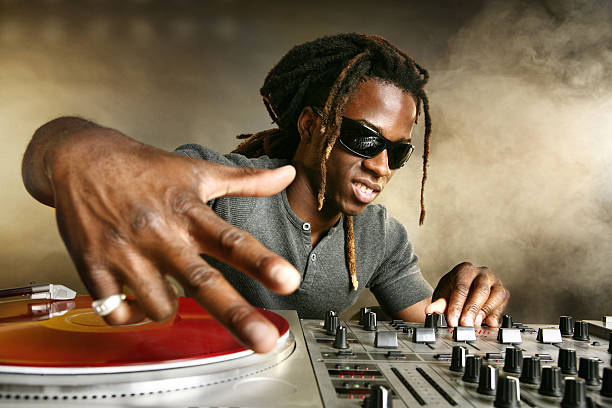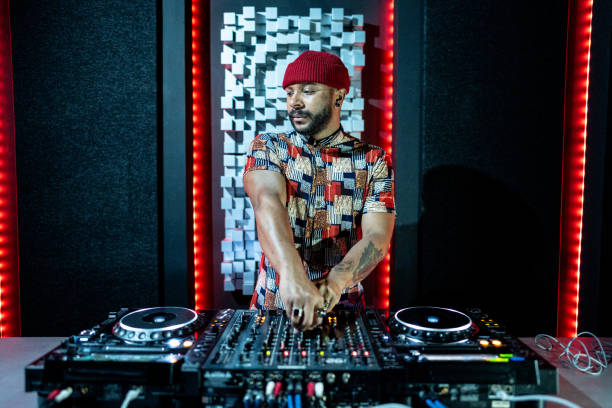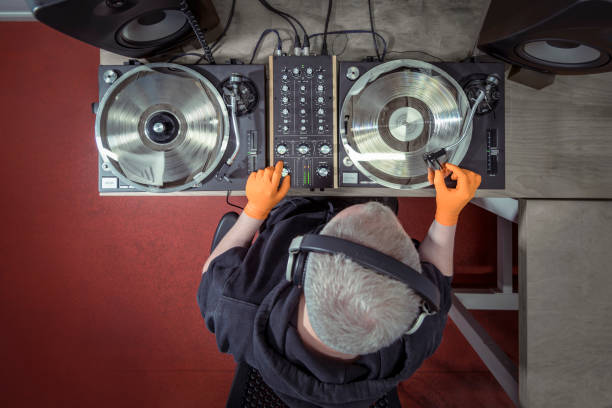
In a world where everyone’s rocking AirPods and lossless Bluetooth, DJ headphones feel like a beautiful throwback. You’re not just listening to music. You’re cueing the next track, beatmatching by ear, riding the EQ, and keeping the floor locked in. Wireless is convenient for walking to the train, but in a booth, latency is the enemy. Even a tiny delay between what you press and what you hear can turn a smooth blend into a messy trainwreck. That’s why the holy grail for most working DJs is still a wired, closed-back pair of cans that sounds right, feels right, and never drops connection mid-drop.
Isolation is the first superpower. Clubs are loud. Festival stages are louder. Booth monitors are screaming, the crowd is yelling, and the subwoofer is trying to rearrange your organs. If your headphones let all that noise in, you’re basically mixing with a blindfold on. Closed-back cups with a solid seal and memory foam pads block enough chaos so you can hear the cue track clearly. You need to catch the kick, the snare, the hi-hat, the vocal phrase, and the tiny texture that tells you when to bring the fader up. Good isolation isn’t about being antisocial. It’s about focus. It lets you make decisions before the crowd even knows what’s coming.
Sound signature matters just as much. DJ headphones often push the low end and keep the highs crisp, because you need punch and detail in a noisy room. But too much bass can turn everything into mud. The real holy grail balances thump with clarity. The Sennheiser HD 25 has been a rider staple for decades because it’s light, loud, and brutally reliable. The Pioneer HDJ-X10 feels like it could survive a festival dust storm and a spilled drink. None of these are automatically “the one.” Your head shape, ear fatigue, set length, and genre all matter. A house DJ who plays six-hour sets may want something lighter. A hip-hop DJ who scratches may want more clamp and swivel.
The small design details are where holy grail status is earned. Rotating ear cups let you wear one cup on and one off, so you can monitor the booth while cueing the next track. A single-side cable keeps things from turning into a spaghetti situation. A 1/4-inch adapter is non-negotiable for club mixers. Impedance and sensitivity also matter. Low-impedance headphones are easier to drive from a laptop or phone, while higher-impedance models may need more juice. Most DJ mixers have enough headphone output, but you want cans that get loud without distorting. And please, protect your ears. Tinnitus is not a vibe. Keep cue volume reasonable, take breaks, and wear earplugs on the dancefloor.
Comfort and durability are the unsexy heroes. A four-hour set turns cheap plastic into a headache. Sweat destroys pads. Travel crushes hinges. The holy grail pair usually has replaceable ear pads, a replaceable cable, and a headband that doesn’t feel like a vice after hour two. Metal sliders and reinforced joints are worth the extra cash. Lightweight is lovely, but not if the headphones snap when you toss them in a bag. Some DJs buy one pair and keep them for a decade, swapping pads and cables like a loyal car. That’s the move. Sustainability, budget, and reliability all in one.
Wireless options are improving, and for weddings, streams, or casual practice, they can be fine. But in a packed club or festival, wires still win. No battery anxiety. No firmware update in the middle of your set. The holy grail isn’t the most expensive pair or the one with the biggest influencer co-sign. It’s the pair you trust when the room is dark, the monitor is blown, and the next track has to land perfectly. If you’re starting out, get a wired closed-back pair, learn to cue and beatmatch by ear, and treat your headphones like the instrument they are. The best pair is the one that lets you hear the future track clearly, feel the groove, and forget you’re wearing them. That’s the real grail.