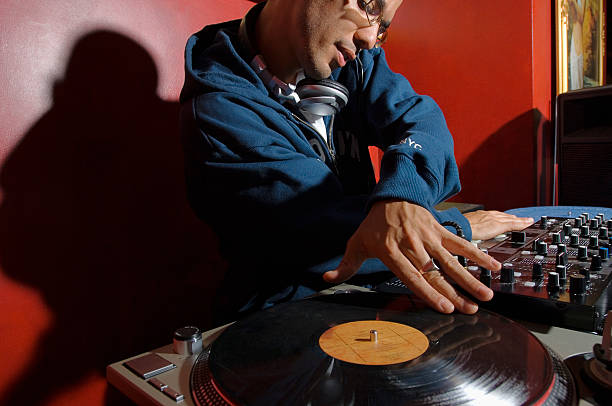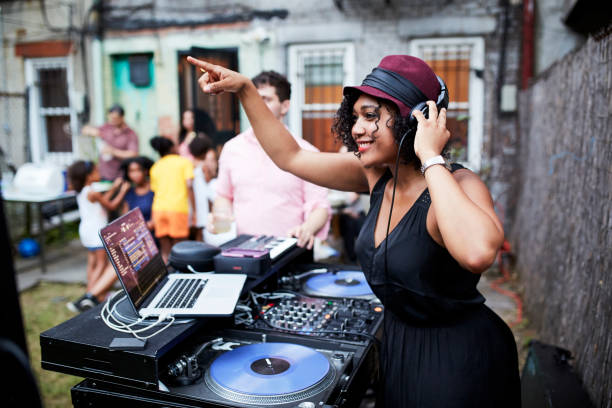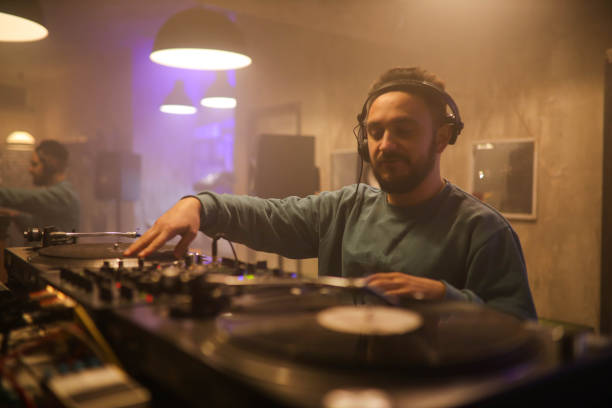
There’s a moment at every proper underground bass gathering when the night stops being a night and starts being a vibe. The crowd has thinned out, the fog is hanging low, and the main stage DJ has packed up. That’s when the sunrise set slides in, and if you know, you know. It’s not the headline slot. It’s not the TikTok clip. It’s the reward for everyone who stayed. For DJs, it’s one of the most honest tests of taste, patience, and crowd-reading you can get. For dancers, it’s where the weird, wonderful, slightly feral magic happens.
A sunrise set at an underground bass gathering is its own little universe. The sound system might be a stack of scoops and tops that looks like it was built in someone’s garage, because it probably was. The tempo can dip into halftime, dub, breakbeat, or something so slow it feels like the bass is stretching. The crowd isn’t there for bangers anymore. They’re there for release. People are sitting on the ground, stretching, crying a little, laughing too hard, sharing water, and locking eyes with strangers like they’ve known each other for years. The DJ’s job is to hold that space without killing it.
That’s harder than it sounds. At 5 a.m., you can’t just reload the same peak-time drop and expect people to lose it. The energy is fragile. A good sunrise DJ reads the field like a text message from the universe. Are people still moving? Are they melting into the grass? Do they need a groove to float on or a bassline to lie down inside? The best selections are patient. Think deep dub, psychedelic bass, rolling percussion, maybe a cheeky edit of something everyone forgot they loved. The transitions should feel like the sky changing color: gradual, inevitable, and a little bit emotional.
Technically, this is where beat mixing gets subtle. You’re not trying to show off with rapid-fire cuts. You’re blending, letting tracks breathe, using EQ to keep the low end clean so the bass doesn’t turn into mud. If the system is proper, too much sub can swallow the whole field. The sunrise DJ knows to ride the highs and mids, keep the vocals ghostly, and let the kick land soft. It’s less about proving you can mix and more about proving you can listen.
There’s also a wellness side to it. Underground bass gatherings can be physically brutal. You’ve been dancing for hours, maybe sleeping in a tent, maybe surviving on noodles and adrenaline. The sunrise set is a gentle landing. It’s a reminder to drink water, put on a hoodie, and check in with your crew. The best festivals build that care into the culture. You see it in the med tent, the harm reduction crews, the people handing out fruit, the strangers who walk you back to your tent because you’re cooked. A sunrise set can be healing without being cheesy. It just has to meet people where they’re at.
For DJs trying to break into underground bass gatherings, the sunrise slot is a bucket-list rite of passage. It’s not about clout. It’s about range. Can you play a set that works when the crowd is half-asleep and fully open? Can you make people dance without demanding it? Can you build a journey that feels like the sun coming up instead of a panic attack? If you can, people remember. They won’t remember every drop from the 1 a.m. headliner, but they’ll remember the track that hit when the first light crept over the trees.
So if you’re at a bass gathering and someone says there’s a sunrise set, don’t tap out just because your feet hurt. Throw on a layer, grab some water, and go. The crowd will be smaller, the sound will be deeper, and the whole thing will feel like a secret. That’s the point. Underground bass culture runs on those in-between moments, and the sunrise set is the ultimate in-between. It’s where the night ends, the day begins, and the dance floor becomes something closer to a living room. Stay weird, stay hydrated, and stay for the sunrise.