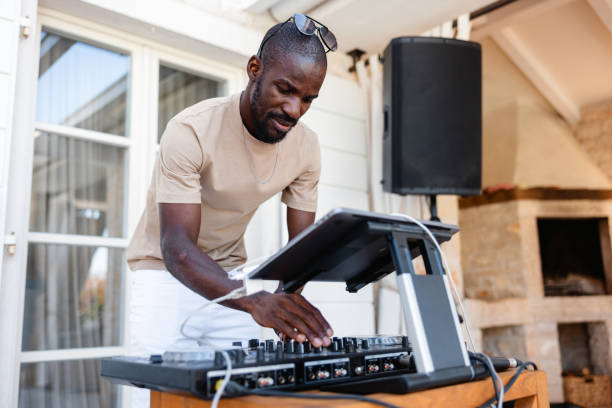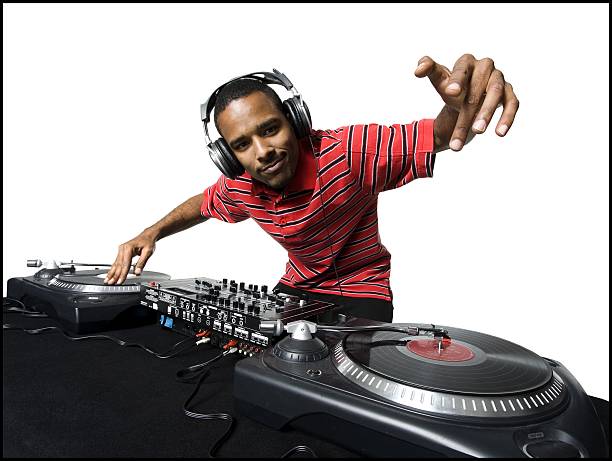
Festival hearing health is not about being the person who shows up with foam plugs and a bad attitude. It’s about making sure your ears can survive the weekend and still catch the details of every set you play for years to come. Festival sound is a different beast from club sound. You’re dealing with open-air stages, tent systems, delay towers, bass that hits your chest, and sets that can run from soundcheck to sunrise. For DJs, the risk isn’t just the crowd-facing main stage. It’s the monitor wedge that’s been screaming at your ankles, the booth that sits a little too close to the stack, and the afterparty where someone “just wants to hear one more track.” Ears don’t have a reset button, and the ringing you shrug off on Sunday can turn into a baseline by Wednesday.
The first move is treating hearing protection like part of your kit, not an emergency purchase. Musicians’ earplugs or high-fidelity filters are the go-to because they bring the volume down without turning the mix into a muffled mess. Foam plugs are better than nothing, but they can make everything sound weird and underwater, which is why people ditch them. Custom molds are the long-term glow-up if you’re playing festivals regularly, but decent universal hi-fi plugs are a solid start. Keep a pair in your DJ bag, another on your keys, and maybe one in the case with your headphones. The best earplugs are the ones you actually wear, not the expensive ones chilling in your hotel room.
Then there’s the booth. It’s easy to crank the monitors because the stage is loud and you want to feel the kick, but that’s exactly how ear fatigue sneaks up. Ask for a soundcheck where you can set your levels without guessing, and don’t be shy about telling the monitor engineer what you need. If the booth is positioned near a speaker stack, see if you can shift it or at least angle your monitors so they’re not firing straight into your ears. In-ear monitors can be a game-changer for festival sets because they give you a controlled mix, but they’re only helpful if you keep the volume sane. Treat your IEMs like a scalpel, not a sledgehammer. If your ears feel full, itchy, or like they’re wrapped in cotton after a set, that’s not normal festival texture. It’s a warning.
Breaks are underrated. You don’t have to stand in front of the main stage for eight hours to prove you love music. Find the quiet zone, the chill tent, the back of the field, or the weird little area behind the food stalls where the bass is just a rumor. Give your ears ten to fifteen minutes of lower-volume time between heavy sets. During your own festival day, don’t stack soundcheck, a set, and an afterparty right on top of each other if you can avoid it. Space is recovery. And yes, sleep counts as wellness, even if the lineup is stacked. A tired DJ makes sloppy monitor choices, and sloppy monitor choices are how you end up with tinnitus and a side of anxiety.
The less glamorous stuff matters too. Hydration, food, and actual rest keep your whole nervous system from going into redline, and your ears are part of that system. Alcohol and other substances can mess with your perception of volume, so you might push levels harder without realizing it. If you’re already dealing with ringing, pain, or muffled hearing, don’t “push through” a set. That’s not dedication; that’s borrowing trouble. Post-festival, give yourself a quiet day or two, skip the headphones on the flight home if you can, and book a hearing test if you notice persistent ringing or trouble hearing conversations in noisy rooms.
The festival life is about big sound, big feelings, and big nights, but it’s also about longevity. You want to be the DJ who’s still hearing the room, still catching the tiny details, still playing the long game. Protect your ears like they’re part of your creative rig, because they are. The vibe doesn’t have to die just because you turned it down a notch. Honestly, that’s how you keep it going.