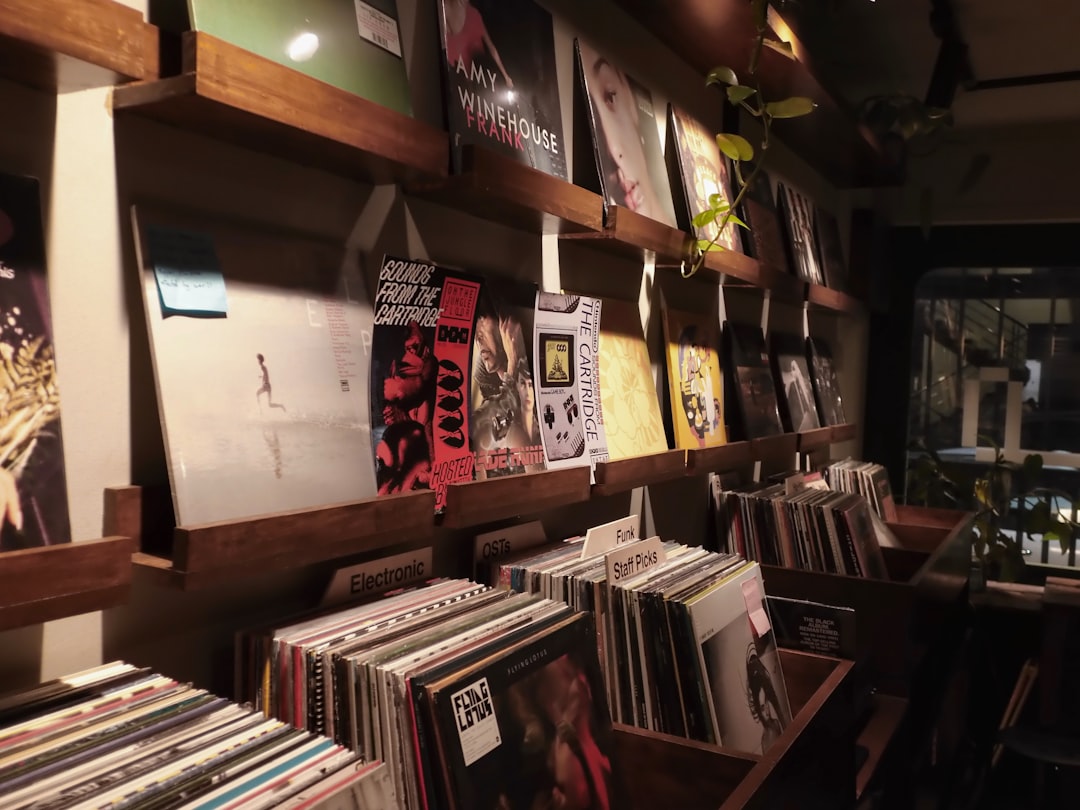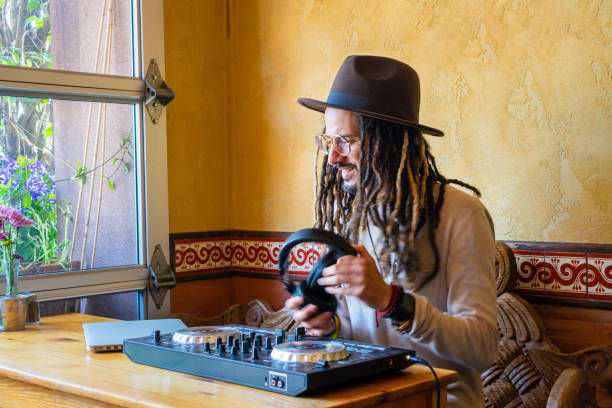
If you’ve ever lost yourself in a warehouse at 3 a.m., sweat dripping from the ceiling, bass rattling your ribs, you’ve felt the ghost of Trax Records. Before streaming algorithms and TikTok remixes, before everyone and their cousin claimed to be a DJ, there was a small, chaotic Chicago label that literally pressed the blueprint for house music into vinyl. And at the heart of that story are the DJ pioneers—Frankie Knuckles, Ron Hardy, Larry Levan, and the unsung heroes who turned raw energy into a global religion. This isn’t just history; it’s the DNA of every beat you’ve ever mixed.
Let’s rewind to the late 1980s. Chicago was a storm of post-disco fallout, gay black and Latino clubs, and a hunger for something new. Frankie Knuckles, the “Godfather of House,” was already spinning at the Warehouse, blending disco, soul, and European synth-pop into a sound that made people feel like they were floating. But the real raw energy came when he and producers like Marshall Jefferson, Larry Heard, and Jamie Principle started making their own tracks. They didn’t have fancy studios. They had a Roland TR-808 drum machine, a cheap synthesizer, and a vision. Trax Records, founded by Larry Sherman and Vince Lawrence, became the gritty factory where this sound got stamped onto wax.
The DJ pioneers of that era weren’t just playing records—they were remixing in real-time, pushing the EQ to the red, and creating textures that felt like a physical force. Ron Hardy at the Music Box was notorious for smashing the faders, looping a single beat for minutes until the crowd lost their minds. That raw energy wasn’t polished. It was chaotic, loud, and deeply human. Trax Records captured that chaos. Tracks like “Move Your Body” by Marshall Jefferson and “Washing Machine” by Mr. Fingers felt like they were recorded in a basement with the lights off. And that was the point. The label didn’t care about radio play. It cared about the DJs who needed tools to tear the roof off their own parties.
Frankie Knuckles himself understood this better than anyone. He was a curator of energy. At his residencies at the Warehouse and later the Power Plant, he’d take a Trax record, loop it, add delays, and turn a three-minute track into a ten-minute journey. He wasn’t just a DJ; he was a sonic architect. The raw energy of Trax Records gave him the bricks. Without those stripped-down, almost industrial house cuts, Knuckles might not have been able to build the emotional crescendos that made crowds cry, dance, and connect. The label’s lo-fi production wasn’t a flaw—it was a feature. It forced DJs to get creative, to use their mixers as instruments, to embrace imperfection as a form of expression.
Meanwhile, on the East Coast, Larry Levan was doing something similar at the Paradise Garage in New York. His sets were theatrical, spiritual, and deeply influenced by the raw energy coming out of Chicago. Levan would play a Trax record like “Your Love” by Frankie Knuckles and let the crowd shape the vibe. The DJ was no longer just an entertainer; they were a shaman. Trax Records became the shared language between these cities, a underground network of vinyl that connected warehouses, gay clubs, and after-hours spots. The pioneers didn’t need social media. They had the record bag.
But let’s keep it real—Trax Records wasn’t a utopia. The label was notorious for shady contracts, paying artists pennies, and pressing records that sometimes sounded like they were recorded under water. Yet that rawness became part of the lore. It taught a generation of DJs that technical perfection is overrated. What matters is feeling. The pioneers understood that a slightly off-beat snare, a hiss from a worn-out tape, or a vocal that’s slightly distorted can create a texture that a clean Ableton track never could. That’s the lesson for any DJ reading this today: your equipment is just a tool. The raw energy comes from your willingness to take risks, to push boundaries, and to make a room of strangers feel like family.
As you dive deeper into the craft—whether you’re learning beat mixing on a DDJ-400 or saving up for a pair of Technics—remember the DJs who built this thing from nothing. Frankie Knuckles, Ron Hardy, Larry Levan, Wendy Hunt, and so many others didn’t have YouTube tutorials or boutique clothing lines. They had Trax Records, a dream, and a crowd that needed to escape. The raw energy they created still pulses in every four-on-the-floor beat today. So the next time you drop a track and the room lifts, know that you’re standing on the shoulders of pioneers who pressed their souls into vinyl. Stay curious, stay humble, and never lose the rawness.